When you think of “what is a prepper,” what comes to mind? Maybe it’s someone building a backyard bunker or stockpiling seeds for a post-apocalypse world.
But here’s the reality: those extreme images, often pushed by the media, miss a simple truth—we’re all preppers in some way.
A prepper is anyone who anticipates future adversity or changes in their daily life and takes steps to prepare mentally and physically. The fact is, everyone will face some sort of obstacle or difficulty in their life.

I learned this firsthand after an EF4 tornado devastated my neighborhood. Seeing how unprepared people were, especially in a year marked by a global pandemic, was eye-opening. You’d think these events would make preparedness a priority for everyone.
So, let’s redefine what it means to be a prepper. It’s not about whether you’re a prepper—it’s about how well you’re preparing.
The Spectrum of Preparedness
Preparedness exists on a broad spectrum, from having an extra $1,000 set aside for emergencies to achieving full energy independence. Those on the extreme end didn’t get there without first passing through the more moderate stages.
No one would suggest going through life without any preparation for the future.
And that’s what prepping is all about:
A prepper is simply someone who prepares for emergencies.
Minimal Prepping
Most people have taken basic steps to prepare for the future, and that’s a good start. Think of it like laying a solid foundation for a house—these foundational actions are crucial for supporting everything else.
One classic example of basic preparedness is having an emergency fund. Do you have 3 to 6 months of expenses saved up? If so, congratulations—you’re officially a prepper!
Financial security is your first step in prepping because without it, stocking up on supplies is simply out of reach.
Basic emergency supplies also fall into this category. Even the U.S. Department of Homeland Security recommends building an emergency kit of food, water, and first aid supplies in the case of a natural disaster.
Do you have a weather radio? Flashlight in your basement? Emergency baby formula? All of these steps are prepping. You’re preparing for future emergencies.
Many people stay at this minimal level. But if you want to be truly prepared, we and leading agencies suggest taking your readiness to the next level.
Here’s how:
Intermediate Prepping
Once you’ve got your emergency kit and savings account in order, the next step is expanding on what you’ve already set up. Instead of jumping straight into Doomsday Prepper mode, ask yourself:
“What more can I add to this?”
For example, think about your first aid kit. You’ve got the basics, but what about adding advanced supplies or taking a first aid training course?
The Red Cross highly recommends it.
Home security is another key area. Installing a home security system, like cameras or a Ring doorbell, enhances your preparedness. These steps are more than just additions—they’re proactive measures to safeguard your home.
This absolutely counts as prepping.
Full Prepping
Full prepping often gets a bad rap, but it’s just an extension of basic preparedness. The key idea?
Building on solid foundations.
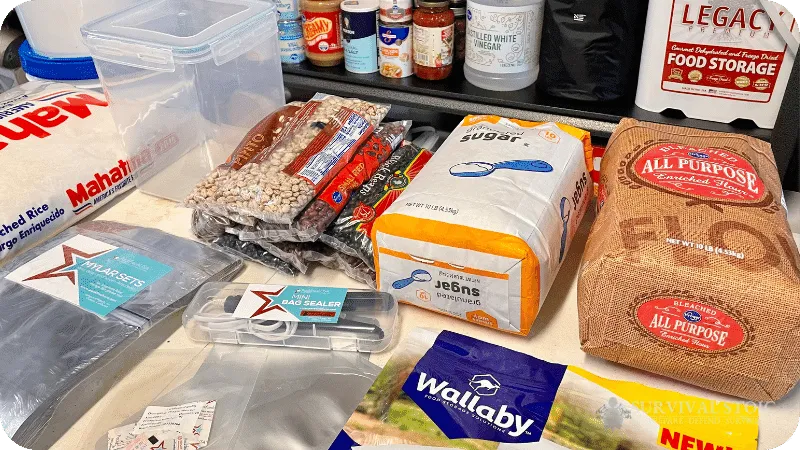
Take emergency food supplies. The baseline is three days’ worth. Extreme preppers go further, stockpiling weeks or even months. More preparation isn’t a bad thing!
Many extreme preppers dive into self-sufficiency. They learn canning and gardening—skills once common but now viewed as out of date.
Off-grid capabilities also come into play. Generating your own power and water boosts resilience. Solar panels and renewable energy sources are often the answer.
What’s the bottom line?
Becoming an prepper is a journey. It’s not about waking up one day and deciding to prep but about recognizing potential emergencies and taking steps to prepare.
But you can’t stop there:

The Mental Aspect of Prepping
Many people focus on physical prep, but mental preparedness is crucial. Your brain doesn’t operate the same way in emergencies as it does during normal times.
First responders and military professionals know this well. In crises, reactions can be unpredictable. Studies now push for more mental resilience training, as many face anxiety and depression during and after emergencies.
If you’re prepping, it makes sense to train your mind, too.
Building mental resilience is essential. It’s about bouncing back from setbacks, staying calm under pressure, and solving problems in adversity. Our prepping mindset article delves into this in detail.
Just as you stock up on supplies, practice mental preparation to be ready when it counts.
You Are a Prepper
You may not be an full prepper, but if you’ve got first aid supplies or a savings account, you’re already prepping.
It’s time to rethink what preparedness means. It’s not about fear; it’s about empowerment and controlling your future. Most preppers aren’t paranoid—they’re just taking proactive steps.
Ready to advance your prep game?
It’s not about whether you’re a prepper; it’s about how well you prep.
Now read our How to Start Prepping guide along with our Prepping Checklist and our guide to Prepping on a Budget. Our Prepper discount page has many discounts and sales that can save you money as well!
