

Your crash-course chapter on prepping the right way: practical and rooted in real-world threat-analysis and priorities.
“Prepping” gets a bad rap. Most people picture bunkers and conspiracy theories. In reality, if you have a savings account, a first aid kit, or a smoke detector, you’re already preparing for problems before they happen.
Prepping is just taking that same common-sense mindset and applying it more deliberately to real-world disruptions like power outages, storms, medical emergencies, supply shortages, and evacuations.
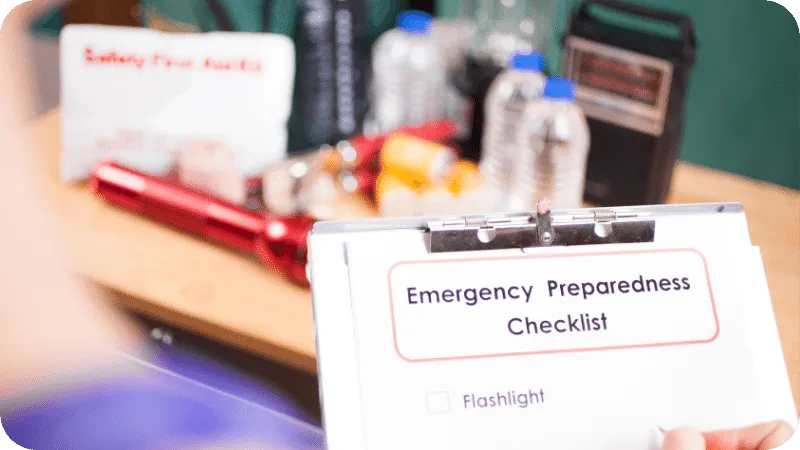
This guide is the foundation of Survival Stoic. Think of it as Chapter 1 of a practical, home-first preparedness system. It focuses on the order of priorities, not panic buying or fantasy scenarios.
Start here. Build the basics. Everything else comes later.
The Survival Stoic Framework: Home First, Then Everything Else
Most preparedness advice fails for one simple reason: it has no structure. It jumps straight to gear, bags, and scenarios without establishing priorities.
Real preparedness is built in layers, and it starts at home.
In most emergencies, your safest, most defensible, and most resource-rich location is your house. Roads are chaotic. Stores are empty. Services are slow or unavailable. Unless you are ordered to evacuate or your home is unsafe, staying home is almost always the correct default.
That leads to the first rule of Survival Stoic preparedness:
Prepare to survive at home before you prepare to leave it.
From there, everything else is built in three layers:
1. Foundations: Stay Alive at Home
This is your base layer. It covers the things that will kill you fastest if you ignore them:
- Medical and first aid
- Shelter and temperature control
- Water storage and purification
- Food and the ability to cook it
If you can’t handle these at home for at least a short period of time, nothing else matters.
2. Resilience: Keep Life Functioning When Systems Fail
Once you can stay alive, the next goal is to stay functional. This layer covers:
- Light and power
- Communication and information
- Hygiene and sanitation
- Tools, fuel, cash, and documents
This is what turns “surviving” into “coping.”
3. Mobility and Security: When You Can’t Stay Home
Only after the first two layers are in place do you expand outward:
- Home defense and personal safety
- Bug out bags for forced evacuation
- Get-home bags and everyday carry for when you’re away
This layer exists for the situations where staying home is no longer an option or when trouble happens while you’re not there.
Two Standards That Matter
For most people, preparedness should be built around two practical benchmarks:
- 72 hours — the minimum for short disruptions
- 14 days — a realistic target for serious but common emergencies
If you can support yourself at home for two weeks without outside help, you are better prepared than the vast majority of people.
This guide walks through this system in order. Don’t skip ahead. Don’t start with bags or niche threats. Build the foundation first.
Step 1: Know What You’re Actually Prepping For (Risk Reality Check)
You cannot prepare for every possible disaster. That isn’t realistic, and it isn’t necessary. The goal is not to predict the future. The goal is to prepare for the things that are most likely to disrupt your life and to do it in a sensible order.
For most people, this process is straightforward.
You probably already know the major risks where you live. If you’re in a hurricane-prone area, hurricanes should be on your list. If you live in a floodplain, floods should be on your list. If you live in an arid climate, wildfires should be on your list. Geography and climate do not require guesswork.
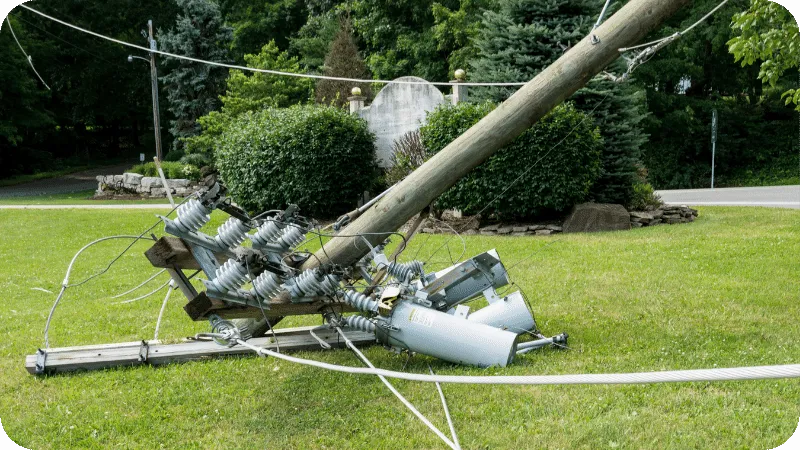
Then there are the emergencies that affect almost everyone, regardless of where they live:
- Power outages
- Water disruptions
- Supply shortages
- Severe storms
- Periods of civil unrest
These are the kinds of events that usually mean staying home and riding it out, not running into the woods.
Finally, there are the personal disasters that most prepping guides ignore, even though they are among the most likely:
- Job loss or income disruption
- Serious illness or injury
- Family emergencies
- Financial stress or recession
If you are not prepared for financial and personal emergencies, you are not actually prepared. Statistically, these are the events most families are far more likely to experience than any dramatic collapse scenario.
One important clarification: do not build your preparedness around a single predicted event. Preparing only for “an EMP” or “the big one” is a good way to end up poorly prepared for the things that actually happen. Instead, focus on capabilities: staying warm, staying hydrated, staying fed, staying healthy, and staying informed. Those solve many problems at once.
Action Step: Write down the five emergencies or disruptions you are most likely to face. Include both local disasters and personal risks like illness or job loss. Keep this list in mind as you build your plan. It will keep your priorities grounded in reality.
Once you know what you’re realistically preparing for, the next step is to turn that into a simple, usable plan.
Step 2: Make a Simple, One-Page Emergency Plan
Gear without a plan is just clutter.
Once you know what you’re preparing for, you need a simple, shared plan that tells everyone in your household what to do when something goes wrong. This does not need to be complicated, and it should not live in a binder that never gets opened.
For most families, a single page is enough.
Your emergency plan should answer four basic questions:
- What special needs do we have to account for?
- How do we communicate?
- Where do we go if we have to leave?
- Where do we meet if we get separated?
Below is a practical, one-page template you can copy and save:
Your One-Page Emergency Plan
Emergency Contacts
- Local emergency number: __________
- Out-of-area contact (name + phone): __________________
- Local backup contact: __________________
Family Information
- Names and phone numbers: ___________________________
- Medical conditions / medications: ____________________
- Pets and pet needs: ________________________________
If We Stay Home (Bug In Plan)
- Shutoffs (gas, water, electric): _____________________
- Safe room or shelter area: __________________________
- Where emergency supplies are stored: ________________
If We Must Leave (Bug Out Plan)
- Primary evacuation route: ___________________________
- Backup evacuation route: ____________________________
- Primary destination: _______________________________
- Backup destination: ________________________________
If We Are Not Together
- Primary meeting place: _____________________________
- Secondary meeting place: ___________________________
Important Documents
- Where copies are stored: ___________________________
Print this. Fill it out. Put one copy on the fridge and one in your emergency kit.
Then walk everyone through it. A plan that only exists in your head is not a plan.
Action Step: Fill out this page and review it with your household. If something is unclear or awkward to explain, fix it now instead of during an emergency.
With a basic plan in place, it’s time to build the actual survival foundation: the core supplies and capabilities that keep you alive at home.
Step 3: Build the Foundations (In the Correct Order)
Everything in prepping works better if you build it in the right order.
Most beginners start with food because hunger is uncomfortable and easy to imagine. But in real emergencies, other problems will hurt or kill you much faster than an empty stomach.
Your foundation has four priorities. Build them in this order:
- Medical and first aid
- Shelter and temperature control
- Water storage and purification
- Food and the ability to cook it
If you skip ahead and neglect one of these, you’re building on a weak foundation.
Your goal at this stage is simple:
Be able to support your household at home for at least 14 days without outside help.
Assume power, water, and normal services are unavailable.
You do not have to do this all at once. Build one layer at a time, as your budget and time allow.
Priority #1: Medical and First Aid
During widespread emergencies, 911 services may be overwhelmed or unavailable. Even minor injuries or illnesses can become serious if you cannot get help quickly.
You should be prepared to:
- Treat common injuries and illnesses at home
- Stop severe bleeding
- Stabilize someone until help arrives (if it arrives at all)
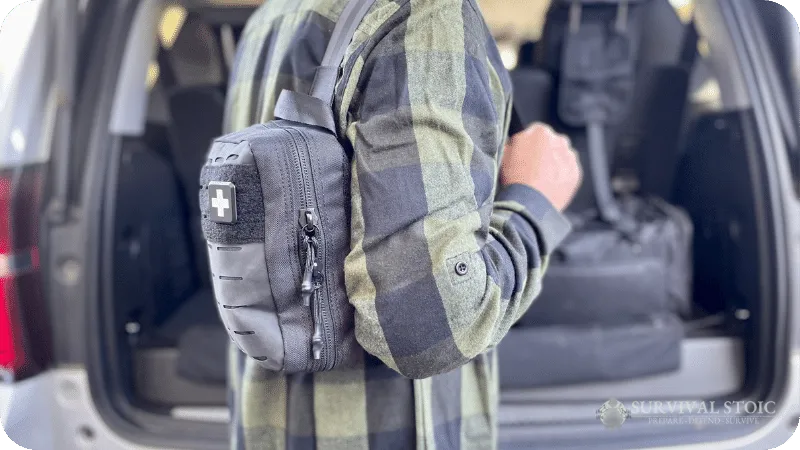
Start with a real first aid kit, not just band-aids. It should include trauma supplies, not just comfort items. Also stock any critical medications and medical supplies your family depends on.
This is not optional. Medical readiness is your first line of defense.
Start Here
Priority #2: Shelter and Temperature Control
The environment kills faster than hunger.
Both hypothermia and heat stroke are serious, often underestimated threats. Power outages during winter storms or heat waves kill people every year, even in developed areas, according to state reports.
Cold weather planning may include:
- Fireplaces or stoves
- Extra blankets and sleeping bags
- Warm clothing and the ability to isolate into a smaller heated space
Hot weather planning may include:
- Ventilation
- Shade and the ability to spend time outdoors safely
- The ability to relocate if your home becomes dangerously hot
In addition, you should have a few simple, flexible shelter tools:
- Wool blankets (more flexible than sleeping bags for families)
- A waterproof tarp (for broken windows, rain collection, or improvised shelter)
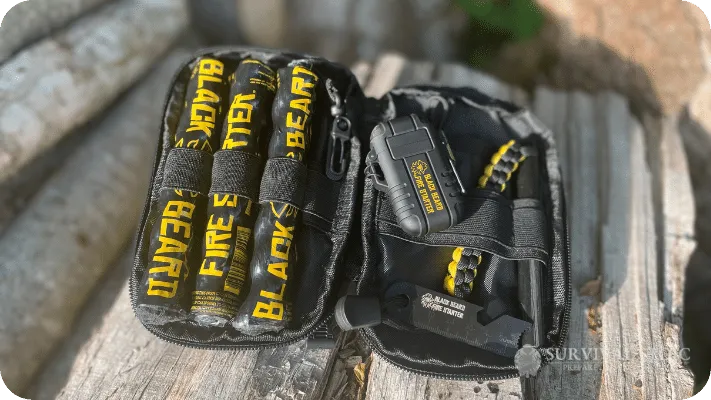
- A dedicated fire kit for cooking and heat
Priority #3: Water Storage and Purification
You can only survive a few days without water.
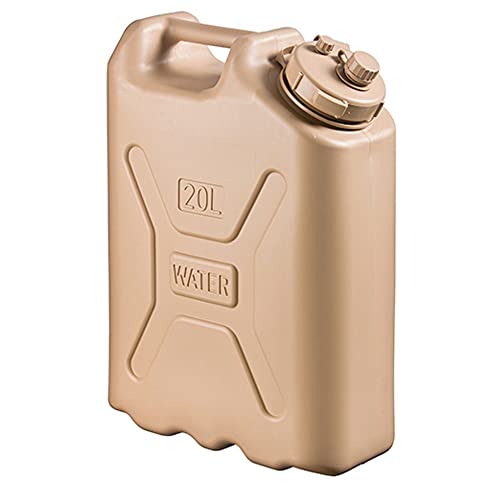
At a minimum, you should plan for one gallon per person per day. Two gallons per person per day is better, as it allows for basic hygiene and cooking. For a 14-day disruption, that means at least 14–28 gallons per person.
Storing water is simple and extremely high value. For most people, medium-sized, portable containers are more practical than very large tanks.
If you do not have enough water stored, you must have a way to purify water.
You should plan for both:
- Stored water for immediate use
- Purification capability for longer disruptions
Priority #4: Food and the Ability to Cook It
Once water is handled, food comes next.
For a minimum two-week foundation, plan for roughly 2,000 calories per person per day, or about 28,000 calories per person total. You can survive on less, but you will function much better if you do not have to.
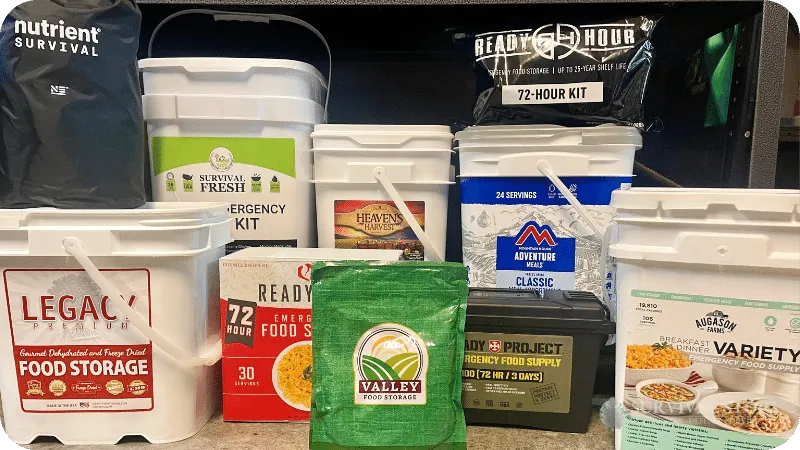
Also remember: food you cannot cook is not very useful. You need at least one reliable off-grid cooking method.
Two weeks is the minimum. A three-month food supply is a very reasonable long-term goal.
Start Here
A Quick Warning About What to Skip (For Now)
If you do not yet have:
- A real first aid setup
- A way to stay warm or cool
- Two weeks of water
- Two weeks of food
…then do not start spending money on niche gear, gadgets, or unlikely scenarios.
Drones, EMP bags, and exotic tools do not fix boring, deadly problems like dehydration, exposure, or untreated injuries.
Build the foundation first.
Action Step: Using the sections above, identify your biggest gap and fix that before moving on to the next priority.
Step 4: Choose Your Starting Path (72 Hours, 2 Weeks, or 3 Months)
Preparedness is not all-or-nothing. It is built in layers, and most people should not try to do everything at once.
Instead of thinking in terms of “fast” or “thorough,” it is more useful to think in time horizons. How long can you realistically support yourself at home without outside help?
There are three practical starting paths. Each one builds on the previous.
Path 1: 72 Hours (The Bare Minimum)
This is the entry level of preparedness. It covers short, common disruptions like brief power outages, storms, or supply hiccups.
Your goal here is simple:
Stay safe and functional at home for three days without outside help.
At this level, you should have:
- A basic but real first aid kit
- Enough water for three days (at least 1 gallon per person per day)
- Enough food for three days
- A way to get information and light (radio + flashlight or headlamp)
- A very simple cooking plan if power is out
This can usually be done quickly and inexpensively using normal grocery store items.
If you have nothing right now, start here.
Path 2: 14 Days (The Realistic Standard)
This is where preparedness starts to actually change outcomes in serious emergencies.
Two weeks covers the majority of real-world disruptions: extended power outages, storms, infrastructure failures, and regional disasters.
Your goal:
Support your household at home for two full weeks with no outside help.
At this level, you are expanding and hardening your foundation:
- A proper medical setup, including trauma supplies and medications
- 14 days of water per person, plus purification capability
- 14 days of food per person, with a reliable off-grid cooking method
- A real plan for heat or cooling during temperature extremes
- Basic lighting, communication, and power resilience
If you reach this level, you are far better prepared than most people.
This is the standard we recommend most families work toward first.
Path 3: 3 Months (Longer Disruptions and Real Resilience)
This is where you move from “prepared” to genuinely resilient.
Three months of supplies and systems gives you:
- Time to wait out long supply disruptions
- Protection from short-term economic shocks
- Flexibility during regional or national crises
Your goal:
Be able to live at home for several months without depending on normal supply chains.
At this level, you are not just scaling supplies, you are improving systems:
- A 3-month food supply built around a deep pantry
- Expanded water storage and filtration
- More robust power, fuel, and cooking options
- Better sanitation and hygiene planning
- Some level of financial buffer and redundancy
This is not something you do in a weekend. It is built gradually and intentionally.
Which Path Should You Choose?
Most people should:
- Start at 72 hours if they have nothing
- Build to 14 days as their first serious goal
- Expand toward 3 months over time
Do not skip levels. A weak two-week plan is better than a half-built three-month fantasy.
Action Step: Decide which level you are currently at and which one you are building toward next. Write it down. That is your short-term preparedness goal.
Once you have chosen your path, the next step is to fill in the gaps that make life function a bit better when systems fail.
Step 5: Build Resilience (The Boring but Critical Stuff)
Once you can stay alive, the next goal is to stay functional.
Most emergencies are not dramatic survival scenarios. They are long, inconvenient periods without normal systems. Power is out. Stores are closed. Information is limited. Garbage pickup stops. Life becomes awkward and stressful.
This is where resilience comes in.
Resilience is what lets you keep your household operating at a basic, tolerable level instead of slowly degrading into chaos.
You do not need everything on this list at once. Build it gradually, in the same way you built your foundation.
Light
Most emergencies happen at night or make nights much harder.
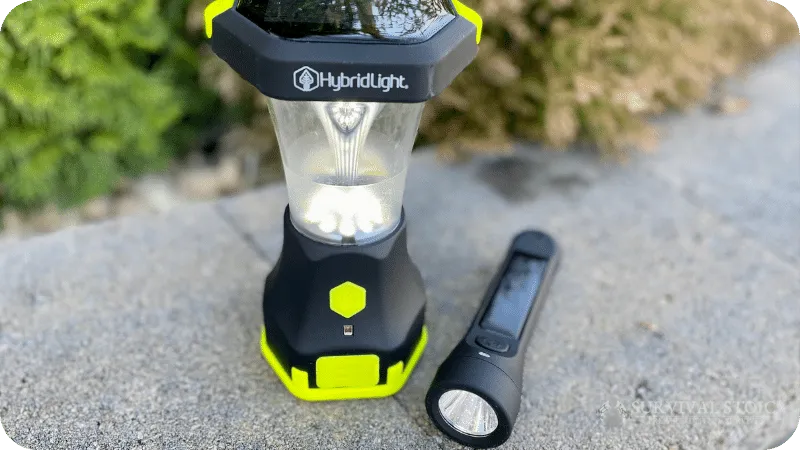
You should have:
- Multiple flashlights or headlamps
- At least one area light or lantern
- A way to recharge or replace batteries
Do not store all your lights in one place. You want to be able to find light in the dark.
Start Here
2 – Clean Air
Smoke, dust, wildfire haze, and debris are common during disasters.
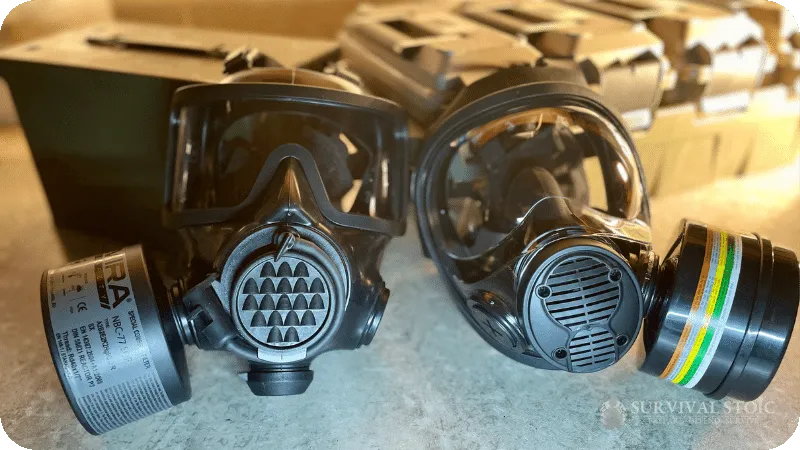
At a minimum, keep N95 masks on hand for everyone in the household. They are cheap and useful for everything from house fires to wildfire smoke.
More serious respiratory protection is a separate topic, but basic protection is easy and sensible.
Start Here
Hygiene and Sanitation
Poor hygiene turns manageable situations into medical problems.
You should plan for:
- Wet wipes and basic hygiene supplies
- Toilet and waste solutions if water is unavailable
- Extra trash bags and cleaning supplies
Staying reasonably clean reduces illness, stress, and morale problems.
Communication and Information
Information is one of the most valuable resources in an emergency.
You should have:
- A way to receive weather and emergency broadcasts without the internet
- A way to communicate locally if cell service is limited
- A way to charge or power critical devices
Knowing what is happening and what is coming next changes how you make decisions.

Power, Fuel, and Energy
Power outages turn minor problems into big ones.
Think in layers:
- Small power for phones, lights, radios
- Larger power for freezers, medical devices, or critical appliances
- Fuel storage and stabilization if you rely on generators or gas equipment
You do not need a whole-house generator to be meaningfully more prepared than most people.

Tools
Things break during emergencies.
At a minimum, you should have:
- A multitool
- Basic hand tools
- Work gloves
- Duct tape, zip ties, and cordage
These are not glamorous, but they solve a surprising number of problems.
Start Here
Cash and Financal Redundancy
Electronic payment systems are fragile.
Keep some physical cash on hand. How much depends on your situation, but even a small amount can solve problems when cards and ATMs do not work.
This is also part of broader financial preparedness.
Documents
If your home is damaged or you are displaced, paperwork suddenly matters a lot.
You should have:
- Physical copies of critical documents
- Digital backups stored in multiple places
This makes recovery far easier when the emergency is over.
A Note on Priorities
If you do not yet have:
- First aid
- Temperature control
- Water
- Food
…then do not spend much money here yet. Resilience comes after survival.
Action Step: Pick one weak area from this section and improve it next, after your foundation is in place.
Security
It would be nice if emergencies always brought out the best in people. Sometimes they do. Sometimes they don’t.
Looting and opportunistic crime happen after many disasters. Periods of civil unrest tend to make this worse, not better. Ignoring this does not make it go away.
At the same time, security does not mean turning your house into a fortress or stockpiling weapons without training or a plan.
Real, responsible security is boring, layered, and mostly about avoiding problems before they become dangerous.
Start With the House
Your home is already your best defensive position. Make it harder to victimize.
Simple steps go a long way:
- Reinforce doors and locks
- Use exterior lighting
- Trim shrubs and remove hiding places
- Make sure windows and entry points are secure
Most criminals are looking for easy targets, not hard ones.
Think in Layers
Good security is not one thing. It is a stack of small advantages:
- Awareness and avoidance
- Physical barriers
- Early warning (lights, noise, dogs, cameras)
- And only then, last-resort force
The goal is to never need the last layer.
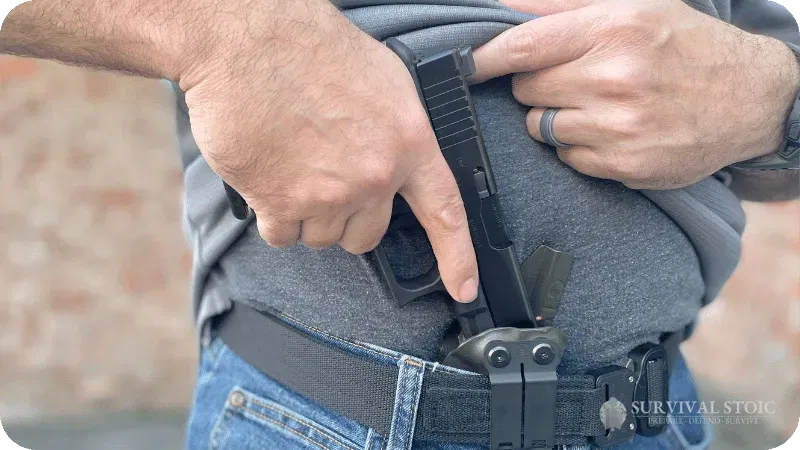
Personal Defense and Responsibility
In many places, lawful concealed carry or other personal defense tools are a reasonable part of an emergency plan.
If you choose to go this route, it comes with responsibilities:
- Follow the law
- Get training
- Practice regularly
- Store and handle weapons safely
A tool you do not know how to use under stress is not an asset.
What This is Not
Security is not:
- Cosplaying as a militia
- Planning for gunfights
- Or assuming everyone around you is a threat
Your best security wins are:
- Not being noticed
- Not being interesting
- And not being worth the trouble
Keep It in Perspective
Security matters, but it comes after food, water, medical, and shelter.
If you cannot treat injuries, stay warm, or drink clean water, security gear will not save you.
Action Step: Do a basic walk-around of your home and fix the most obvious security weaknesses before buying anything new.
For the small number of situations where you cannot stay home or when trouble happens while you are away, you need a different layer of preparedness.
Step 7: Mobility (Bug Out Bags & Get Home Bags)
Most of the time, staying home is the right answer.
But sometimes it isn’t.
Wildfires, floods, chemical spills, and mandatory evacuations happen. And emergencies rarely occur at convenient times, when you are safely at home with all your gear nearby.
That means you need two different mobility plans:
- A way to leave home quickly when staying is unsafe
- A way to get home safely when something happens while you’re away
Bug Out Bags: For When You Must Leave
A bug out bag is not a fantasy wilderness survival pack. It is an evacuation bag.
Its job is simple:
Give you what you need to leave quickly and function for a few days while you relocate or wait for conditions to stabilize.
Your bug out bag should:
- Be packed and ready
- Live in an easy-to-grab location
- Exist for each member of the family (with lighter versions for kids)
In many households, these bags also serve double duty as supplemental emergency supplies at home.
Think in terms of:
- Clothing
- Water and filtration
- Food
- Basic medical
- Hygiene
- Documents
- Simple tools
Start Here
Get Home Bags
Statistically, you are away from home a large portion of your day.
If something happens while you are at work, driving, or traveling, your first priority is usually to get back to your family and your supplies.
A get home bag lives in your vehicle or at work. It is designed to support you for one to two days while you make your way home.
It should include:
- Water and simple food
- Basic first aid
- Weather-appropriate clothing
- Comfortable walking shoes
- A light and simple tools
Start Here
Everyday Carry
Sometimes you do not have access to your car or your bag.
That is where everyday carry (EDC) comes in.
At a minimum, your daily carry should support three things:
- Treating life-threatening injuries
- Communicating or calling for help
- Defending yourself if necessary and lawful
This can be as simple or as complex as your lifestyle allows, but it should be intentional.
Keep Mobility in Perspective
Mobility matters, but it is not the foundation.
A great bug out bag does not fix:
- No water at home
- No food
- No medical supplies
- No plan
Build your home foundation first. Then make sure you can move when you have to and function when you are away.
Action Tip: Decide where your bug out bags will live and whether you need a get home bag for your daily routine. Then build or update one of them.
Skills and Practice
Equipment you have never used is not equipment you truly have.
In a real emergency, stress, fatigue, and time pressure make even simple tasks harder. If the first time you open your first aid kit, set up your stove, or use your radio is during a crisis, you will be slower, clumsier, and more likely to make mistakes.
Practice turns gear into capability.
You do not need to become a wilderness survival expert. You do need to be comfortable and competent with the tools and systems you are relying on.
Start with the Highest-Impact Skills
Some skills pay off far more than others:
- First aid and trauma care
- Using your fire and cooking equipment
- Using your water filtration and storage systems
- Using your radio and power gear
- Basic home emergency procedures (shutoffs, safe room, evacuation routes)
Medical skills, in particular, are worth formal training. A first aid kit is only as useful as the person using it.
Start Here
Make Practice Normal, Not a Special Event
You do not need to run dramatic drills.
Easy, realistic practice looks like:
- Cooking a meal with your backup stove
- Running a short power outage drill one evening
- Practicing using your first aid kit
- Walking through your evacuation or family plan
- Checking and rotating supplies on a schedule
Even simple familiarity removes friction and panic later.
Include Your Family
A plan only works if everyone understands it.
Make sure:
- Everyone knows where supplies are
- Everyone knows the basic plan
- Everyone knows what to do in the most likely scenarios
This does not need to be scary or intense. It should be calm, matter-of-fact, and age-appropriate.
Put It on the Calendar
Preparedness that is not revisited decays.
- Set a reminder to check supplies
- Set a reminder to practice one or two skills
- Set a reminder to review your plan
Once or twice a year is enough for most households.
Action Step: Pick one piece of gear you own and one skill you want to improve, and schedule time this month to practice both.
The last and most overlooked layer of preparedness is not physical at all. It is mental.
Step 9: The Survival Stoic Mindset
In every real emergency, there is a moment where planning ends and you have to perform.
Your gear does not make decisions. Your checklists do not stay calm. You do.
All the equipment and preparation in the world is less useful if your mind locks up under stress.
This is where mindset matters.
Control What You Can Control
One of the core ideas of Stoic philosophy is simple:
Focus your energy only on what is within your control.
In an emergency, many things will not be:
- The weather
- The power grid
- Other people’s behavior
- The overall situation
What is in your control:
- Your actions
- Your priorities
- Your decisions
- Your attitude
Training yourself to immediately shift focus to what you can do next prevents panic and paralysis.
Think in Problems, Not in Fear
One of the core ideas of Stoic philosophy is simple:
Focus your energy only on what is within your control.
In an emergency, many things will not be:
- The weather
- The power grid
- Other people’s behavior
- The overall situation
What is in your control:
- Your actions
- Your priorities
- Your decisions
- Your attitude
Training yourself to immediately shift focus to what you can do next prevents panic and paralysis.
Mental Rehearsal Works
One of the simplest and most effective training tools is thinking through scenarios in advance.
- What would you do if the power went out tonight?
- If you had to leave the house in 10 minutes?
- If someone was injured and help was delayed?
You are not predicting the future. You are reducing surprise.
Surprise is what causes most panic.
Build Calm Into Daily Life
You do not need a perfect meditation setup or long sessions.
- Five quiet minutes
- A short breathing exercise
- A moment of deliberate calm in a stressful day
Even practicing calm while holding a baby or dealing with noise and chaos is good training. Emergencies rarely happen in peaceful conditions.
The goal is not to eliminate stress. The goal is to function anyway.
The Goal Is Not Toughness. It Is Usefulness.
A good mindset is not about bravado or pretending things do not affect you.
It is about:
- Staying clear-headed
- Making decent decisions
- And being useful to the people around you
That is what actually gets people through hard situations.
Mindset Guides for Emergency Preparedness
Action Tip: Pick one simple daily or weekly habit that trains calm and deliberate thinking, and start doing it now before you need it.
At this point, you have the structure, the priorities, and the mindset. The last step is putting it all together without getting overwhelmed.
Step 10: How to Actually Start (Without Overwhelm)
At this point, you might be thinking, “This is a lot.”
That’s normal.
Preparedness is a system, not a shopping trip. You do not build it in a weekend, and you do not need to.
The biggest mistake beginners make is trying to do everything at once, getting overwhelmed, and then doing nothing.
Don’t do that.
The Only Ordr That Matters
If you remember nothing else, remember this:
- Medical and first aid
- Temperature and shelter
- Water
- Food
- Then everything else
If one of these is weak, fix it before moving on.
Start With Your Biggest Gap
Look at what you already have and ask:
- Do I have a real first aid setup?
- Could we stay warm or cool without power?
- Do we actually have enough water?
- Do we actually have enough food?
Your weakest answer is where you start.
Build in Small, Permanent Steps
Look at what you already have and ask:
- Do I have a real first aid setup?
- Could we stay warm or cool without power?
- Do we actually have enough water?
- Do we actually have enough food?
Your weakest answer is where you start.
Use the Paths, Not Your Emotions
If you are just starting:
- Build to 72 hours first.
Then:
- Build to 14 days.
Then:
- Expand toward 3 months over time.
Do not skip levels. Do not chase scary headlines.
Prepared is Better Than Perfect
You will never be “done.”
Life changes. Families change. Risks change.
The goal is not perfection. The goal is to be consistently more prepared than you were last year.
Action Step: Write down the single most important improvement you can make this month and do that first.
Where to Go Next
Emergencies do not wait until it is convenient to be prepared.
You do not need to be perfect. You do not need to do everything. You just need to start building the right things in the right order.
Start with medical, shelter, water, and food. Build to two weeks at home. Then expand from there.
Bookmark this page and use it as your reference point. This is the beginning of your preparedness library.
Get Practical Preparedness in Your Inbox
Join the Survival Stoic newsletter for calm, tested guides, gear reviews, and preparedness strategy. No spam. Just useful information.
