

Most people do not waste money on emergency food because they bought the wrong products.
They waste money because they built a food storage system that they could not realistically maintain.
Cans disappear into the back of the shelves. Foods nobody actually eats slowly expire in closets and garages. Expensive freeze-dried meals are purchased “just in case” and never touched again, eventually becoming clutter.
A good emergency food supply should not feel separate from normal life.

The most sustainable food storage systems are usually just well-managed pantries built around foods a family already eats regularly. Instead of stockpiling random survival meals, they rotate ordinary ingredients through everyday cooking, using simple systems that naturally prevent waste.
That approach matters because emergency food is not just about disasters. In many ways, it is simply pre-purchasing groceries for the future while building a buffer against shortages, inflation, and supply disruptions.
In this guide, we’ll cover how to rotate emergency food without wasting money, including simple FIFO methods, realistic pantry systems, expiration-date myths, storage mistakes that quietly ruin shelf life, and the foods that rotate naturally versus the ones that often become expensive clutter.
If you are still building your pantry foundation, start with our complete guide to the best survival foods for long-term preparedness.
The easiest way to rotate emergency food is to build a deep pantry around foods your family already eats, label new items with large expiration dates, place newer food behind older food, and use older items first through normal meals.
Most households should focus their rotation on everyday pantry foods, cooking oils, high-acid canned foods, snacks, and convenience meals. Long-term staples stored properly in Mylar bags, #10 cans, or sealed buckets usually require far less rotation.
The Golden Rule of Food Rotation: Buy What You Eat
The easiest way to waste money on emergency food is by buying foods your family would never normally eat.
Many people build food storage around shelf life alone, filling shelves with unfamiliar freeze-dried meals, giant bulk buckets, or foods nobody in the house actually enjoys eating. The result is usually predictable: the food sits untouched until it eventually expires, gets donated, or becomes clutter.

The best emergency food is usually ordinary food your household already uses regularly.
Rice, pasta, oats, canned soup, canned meat, peanut butter, baking staples, instant potatoes, and dry beans rotate naturally because they already fit into normal meals. Even if an emergency never happens, the food still gets used.
That is the foundation of sustainable food storage.
A good emergency pantry should not feel separate from normal life. It should simply look like a larger, better-managed version of the pantry you already use.
This approach also reduces financial waste significantly. Instead of spending money on foods that may never get eaten, you are effectively pre-purchasing future groceries while building a buffer against shortages, inflation, storms, layoffs, and supply disruptions.
Preparedness works best when it becomes part of ordinary household life instead of a completely separate system.
How to Build a Deep Pantry Without Overspending

One of the most common mistakes people make is trying to build a massive emergency food supply all at once. That usually leads to panic buying, duplicate purchases, poor organization, and foods that never realistically fit into normal cooking habits.
A far more sustainable approach is building depth gradually through regular grocery shopping.
For example, instead of buying:
- one jar of peanut butter
- one box of pasta
- one can of soup
…you might start buying:
- two jars of peanut butter
- four boxes of pasta
- six cans of soup
The extra food becomes your reserve.
As you use items from the pantry, you simply replace them during future grocery trips while keeping the overall inventory level stable. Over time, this creates a rotating food supply without requiring a massive upfront investment.

A deep pantry is usually built through consistency, not one giant shopping trip.
This system also makes food rotation dramatically easier because most items naturally move through ordinary meals. Instead of tracking hundreds of specialized survival products, you are mainly managing foods your family already understands how to cook and eat.
For many households, a deep pantry often includes:
- cooking oils
- canned vegetables
- canned meat
- pasta
- rice
- oats
- baking ingredients
- shelf-stable sauces
- instant potatoes
- soups
- dry beans
- powdered milk
Many families eventually use a structured pantry plan like our 3-month food supply list to estimate how much food they actually use instead of guessing blindly.
As the pantry grows, many families eventually create separate zones:
- daily-use shelves
- pantry overflow shelves
- long-term storage bins
- bulk staples in Mylar bags
- emergency-only foods like MREs or ration bars
That separation helps prevent clutter while still keeping the entire system connected to normal household use.
It also creates flexibility during difficult periods. If grocery prices spike, income temporarily drops, or weather disrupts local stores, a deep pantry gives your household breathing room without forcing major changes in how you cook or eat.
The goal is not building a bunker pantry filled with foods you never touch. The goal is to build a food system that your household can realistically maintain for years.
The 4-Layer Emergency Food Rotation System
Not all emergency food should be rotated the same way.
One reason many food storage systems become overwhelming is that people treat every item as if it requires strict expiration tracking and frequent replacement. In reality, different types of food serve different purposes and naturally rotate at different speeds.
The easiest emergency food systems separate foods into layers instead of treating everything the same.
This approach reduces waste and makes it easier to balance convenience, shelf life, nutrition, and cost.
Layer 1: Daily Pantry Foods

This is the core of a deep pantry system.
These are foods your family already uses constantly:
- pasta
- rice
- oats
- canned soup
- canned vegetables
- peanut butter
- cereal
- baking ingredients
- canned meat
- instant potatoes
Because these foods naturally fit into normal meals, rotation is usually automatic. This layer tends to produce the least waste because it stays fully integrated into everyday cooking.
For many households, this category alone can already provide several weeks of food security without dramatically changing eating habits.
Layer 2: Extended Pantry Ingredients

These foods rotate more slowly but are still used intentionally throughout the year.
Examples include:
- powdered milk
- powdered eggs
- bouillon
- freeze-dried vegetables
- dehydrated fruits
- shelf-stable cheese powder
- vacuum-sealed baking supplies
- extra cooking oils
- backup spices and seasonings
These foods work best as ingredient support rather than complete replacement meals.
For example, powdered milk might be used in:
- pancakes
- oatmeal
- baking
- casseroles
- emergency cooking tests
The same principle applies to shelf-stable egg products, which can extend baking and cooking flexibility during shortages. Our guide to the best powdered eggs covers some of the most practical long-term options.
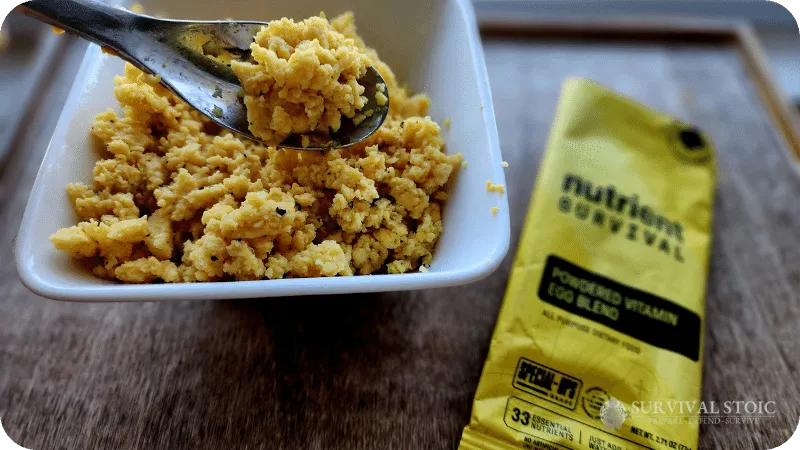
Ingredient-based storage usually rotates far more successfully than complete “survival meals.”
This layer also helps households continue cooking familiar meals even during shortages or supply disruptions.
Layer 3: Long-Term Storage Staples

This layer focuses on maximum shelf life and calorie security.
Common examples include:
- Mylar-packed rice
- dry beans
- wheat berries
- rolled oats
- sugar
- salt
- pasta stored with oxygen absorbers
- #10 cans of staple foods
Unlike daily pantry foods, these items often require very little rotation if stored properly in cool, dry conditions.
This is where proper storage conditions matter heavily. Heat, humidity, moisture, oxygen exposure, and temperature swings destroy shelf life far faster than most people realize. Food stored in garages or attics may degrade dramatically faster than food kept inside climate-controlled spaces.
Heat ruins stored food faster than time does.
That is one reason long-term food storage systems often rely on:
- Mylar bags
- oxygen absorbers
- food-grade buckets
- cool interior storage areas
For foods you plan to store for many years, proper packaging matters heavily. Our guide to the best Mylar bags for food storage covers the setups that work best for rice, beans, oats, flour, and other long-term staples.
If you are building larger pantry reserves, proper temperature control, oxygen reduction, and moisture protection become critical. See our full guide on how to store food long-term for a complete breakdown.
Layer 4: Emergency-Only Foods
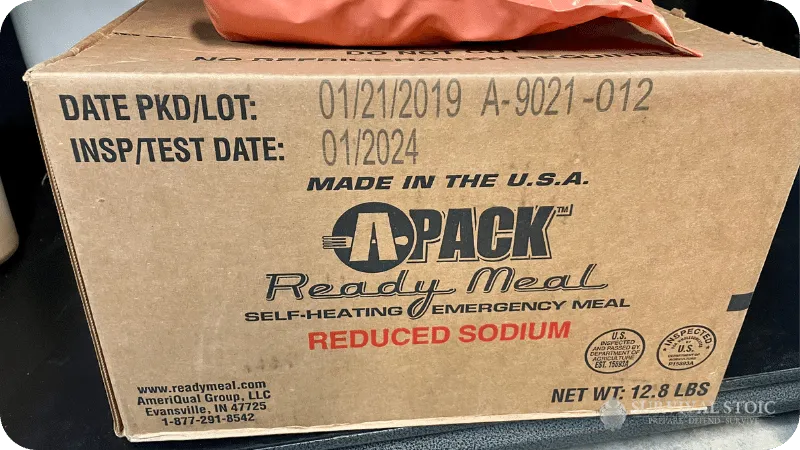
These foods prioritize convenience, portability, or situations where normal cooking may not be possible. For portable emergency meals that require little preparation, see our guide to the best MREs.
If you are building evacuation kits or mobile food supplies, our guide to bug out bag food covers lightweight, calorie-dense options that store well.
These foods often rotate the least naturally because most people do not regularly eat them during ordinary life.
That does not make them useless. MREs and emergency ration bars can be extremely valuable during evacuations, severe storms, power outages, or situations where cooking fuel and water are limited. The Grizzly Gear bars are our favorite, by far.

But many households make the mistake of building their entire preparedness system around this layer instead of using it as a supplement to a normal pantry.
For most families, emergency-only foods should support a deep pantry, not replace it.
How to Rotate Emergency Food Using FIFO
Once your pantry starts growing, organization matters just as much as the food itself.
Without a rotation system, even a well-stocked pantry eventually turns into buried cans, duplicate purchases, forgotten ingredients, and food waste. Fortunately, food rotation does not need to be complicated.
For most households, a simple FIFO system works extremely well.
FIFO stands for “first in, first out.” The idea is simple: the oldest food gets used first, while newer food moves to the back of the pantry.
Good food rotation systems should feel almost automatic.
The easier the system is to maintain, the more likely it is to survive long term.
Step 1: Label Containers Using the “Sharpie Method”

One of the simplest ways to prevent food waste is to write large expiration dates directly on food containers with a Sharpie.
Do not rely on tiny stamped dates hidden on the bottoms of cans or difficult-to-read packaging. Keep a permanent marker near your pantry and label foods as they come into the house.
For example:
- 03/28
- 11/27
- 07/29
Large visible dates make rotation dramatically easier during meal prep.
This is especially useful for:
- canned goods
- boxed foods
- vacuum-sealed ingredients
- freeze-dried foods
- baking supplies
Simple systems usually outperform complicated inventory apps for most families.
A pantry system that people actually maintain is far more valuable than a perfect spreadsheet nobody updates.
Step 2: Load Shelves From Back to Front

The physical layout of the pantry matters a lot. Whenever possible:
- newer food goes in the back
- older food stays in front
- food gets pulled from the front first
You can use fancy gadgets like gravity feeders if you want. But simple shelves work perfectly fine if you stay consistent.
Even basic systems like left-to-right rotation or labeled pantry bins can prevent a surprising amount of waste.
Step 3: Create an “Eat Soon” Zone

Every pantry benefits from a small section dedicated to foods approaching their best-by dates.
Some families use a plastic tote, a small kitchen bin, a dedicated pantry shelf, or a basket near the meal-planning area. Foods in this section become priority ingredients for upcoming meals.
For example:
- older canned soup gets used for lunch
- nearly expired broth becomes soup stock
- extra pasta becomes casserole night
- older oats become baked oatmeal or muffins
A small “eat soon” bin can prevent an enormous amount of pantry waste over time.
This system also helps reduce the feeling that emergency food is somehow “off limits.” The food stays connected to ordinary household cooking instead of becoming a forgotten backup stash.
Step 4: Audit Your Pantry a Few Times Per Year

Most people do not need a complex monthly inventory process.
A simple pantry audit two or three times per year is usually enough for most households.
Good times to check:
- daylight saving time changes
- seasonal pantry reorganizations
- before hurricane or winter storm seasons
- before major bulk shopping trips
During these audits:
- move older foods forward
- identify foods nobody is eating
- check for damaged packaging
- inspect oils for rancidity
- rotate emergency-only foods if needed
- update pantry quantities
This is also a good time to evaluate whether certain foods are actually worth storing at all. Some foods look great on paper but consistently become waste in real households.
The best emergency food storage system is not the one with the most food. It is the one your family can realistically maintain without burnout or waste.
Foods That Rotate Easily (And Foods That Often Become Waste)
Not all emergency foods are equally practical for long-term rotation.
Some foods naturally move through a household with very little effort. Others sound useful in theory, but become expensive clutter because they require too much fuel, too much water, too much preparation, or simply do not fit how most families actually cook and eat.
The best emergency foods are usually the foods that create the least friction during normal life.
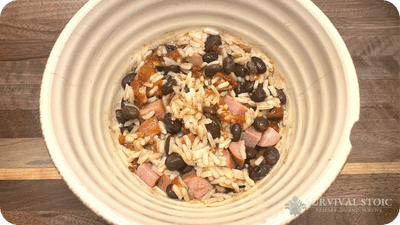
That is one reason deep pantry systems tend to outperform highly specialized survival-food setups over the long term.
Here are some foods that typically rotate very well in real households:
| Foods That Rotate Easily | Why They Work Well |
|---|---|
| Rice | Cheap, flexible, used in many meals |
| Pasta | Familiar, calorie-dense, easy to store |
| Oats | Breakfasts, baking, low-cost calories |
| Canned soup | Fast meals, low preparation |
| Canned chicken and tuna | Easy protein for normal cooking |
| Instant potatoes | Low fuel and water requirements |
| Peanut butter | High calorie density, family-friendly |
| Baking staples | Used constantly in many homes |
| Powdered milk | Useful for baking and cooking |
| Dry beans (in moderation) | Extremely cheap and long-lasting |
These foods tend to work well because they fit into ordinary meals and store efficiently. They don’t require tons of planning to eat, and they’re versatile when you do need to use them.
But other foods often create problems.
| Foods That Commonly Become Waste | Why They Cause Problems |
|---|---|
| Giant freeze-dried entree buckets | Families rarely eat them normally |
| Exotic “survival meals” | Unfamiliar flavors and textures |
| Bulk novelty foods | Purchased emotionally, not practically |
| Extremely spicy preparedness meals | Hard to use broadly in family cooking |
| Foods requiring long simmer times | High fuel and water use |
| Huge quantities of one ingredient | Taste fatigue and poor variety |
| Cheap survival kits with low calories | Poor real-world usefulness |
This does not mean these foods are always bad purchases. Some freeze-dried meals and long-term food kits have legitimate uses, especially for:
- evacuation kits
- backup calorie reserves
- camping
- severe weather emergencies
- long-term storage insurance
For compact backup calories that require no preparation, many people also keep emergency ration products like the best survival food bars on hand for vehicles, storm kits, or evacuation bags.

But many households dramatically overestimate how often they will realistically rotate these foods through ordinary life.
Foods your family dislikes are not emergency food. They are future waste.
This becomes especially important when children are involved. During stressful situations, familiar foods matter more than many people expect. Households that build storage around ordinary ingredients and recognizable meals often adapt far more smoothly than households relying entirely on specialized survival products.
This is also where practical testing becomes valuable.
Actually cooking with stored food teaches important lessons very quickly:
- some foods require far more cleanup than expected
- dry beans consume significant fuel during long cooking
- certain freeze-dried meals become tiring after only a few days
- convenience matters more during emergencies than many people assume
- morale foods are genuinely important
Over time, most experienced food storage systems drift toward simplicity. That is usually what creates the least waste and the most sustainable system.
Expiration Dates vs. Real Shelf Life
One of the biggest reasons people avoid building a larger food supply is fear that everything will expire before they can use it.
That fear is understandable, but it is also often exaggerated.
Many people assume printed dates work like hard deadlines, where food instantly becomes unsafe the next morning. In reality, most shelf-stable foods decline gradually in quality over time, and many remain usable long after their printed “best by” dates if they were stored properly.

Storage conditions usually matter far more than the printed date on the package.
Heat, moisture, oxygen exposure, and temperature swings are often what destroy food first.
For example, canned food stored in a cool interior closet may remain in good condition for years beyond its printed date, while the same food stored in a hot garage can degrade surprisingly quickly. High-acid foods like tomatoes and pineapple usually lose quality faster because the acid slowly interacts with the can lining over time. Lower-acid foods like beans, soup, and canned meat generally store much longer.
Here’s a realistic overview of how many common emergency foods actually behave in storage:
| Food Type | Printed Shelf Life | Realistic Practical Shelf Life (Proper Storage) |
|---|---|---|
| High-acid canned foods | 12–18 months | 1.5–2 years |
| Low-acid canned foods | 2–3 years | 5–8+ years |
| Rice and dry beans in Mylar bags | 10–25 years | 20–30 years |
| Pasta | 1–2 years | Several years |
| Peanut butter | 1–2 years | Usually limited by oil separation/rancidity |
| Freeze-dried foods | 10–30 years | Often extremely long if sealed properly |
| MREs | Varies heavily by temperature | Much shorter in heat |
MRE shelf life changes dramatically depending on storage temperature. Our full guide on how long MREs last explains how heat affects military-style emergency meals over time.
This is also why emergency food rotation should focus more heavily on:
- oils
- high-acid canned foods
- convenience foods
- frequently used pantry items
while long-term staples often require very little attention once properly stored.
Heat ruins stored food faster than age does.
That is one reason experienced preppers often avoid storing large amounts of food in garages and sheds. Temperature swings dramatically shorten shelf life, especially during southern summers or humid climates.
This section also highlights an important mindset shift: expiration dates are not panic dates.
A can of soup one month past its “best by” date is usually not automatically dangerous. The bigger concerns are things like:
- damaged seals
- rust
- swelling
- leaks
- foul odors
- visible spoilage
Learning the difference between quality decline and actual food safety problems can prevent a tremendous amount of unnecessary waste over time.
What We Learned Actually Living on Stored Food
On paper, almost any emergency food plan can look reasonable.
Living on stored food for days or weeks is different.
One of the biggest lessons many people discover very quickly is that emergency food is not just about calories. Convenience, cleanup, fuel usage, morale, and familiarity matter far more than most spreadsheets account for.
The foods that look best in storage charts are not always the foods that work best in real life.
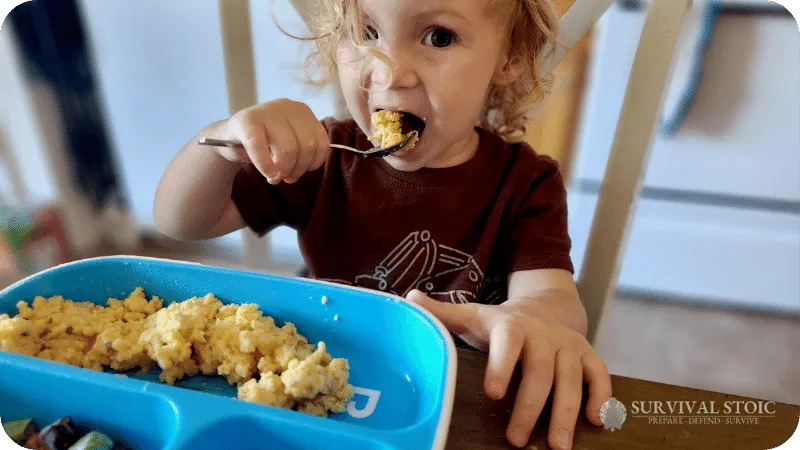
For example, dry beans are extremely cheap, nutritious, and store exceptionally well. But they also require significant cooking time, water, and fuel unless you pressure cook them. During a prolonged outage or emergency, that extra fuel use becomes much more noticeable.
The same thing happens with cleanup.
Some shelf-stable meals create surprisingly large amounts of dishes, grease, or sticky residue when cooked repeatedly. That may sound minor, but after several days of disrupted routines or limited water access, convenience starts becoming much more valuable than people initially expect.
Taste fatigue also becomes a real issue surprisingly fast.
A giant bucket of identical freeze-dried pasta meals may seem efficient initially, but many people quickly discover they do not actually want to eat the same heavily salted entrée over and over again. Families with children often notice this even faster.
Familiar foods usually outperform “survival foods” during stressful situations.
That is one reason ingredient-based storage tends to work so well. Rice, pasta, canned meat, oats, soups, baking staples, and instant potatoes can all be combined into different meals with different flavors and textures, which helps reduce fatigue over time.
Convenience foods also become more valuable during real emergencies than many preparedness guides admit.
Instant potatoes, canned chili, canned soup, oatmeal, tortillas, peanut butter, and ready-to-eat foods often get used heavily because they:
- require less fuel
- create less cleanup
- reduce stress
- work well when energy is low
This is also where morale foods quietly matter.
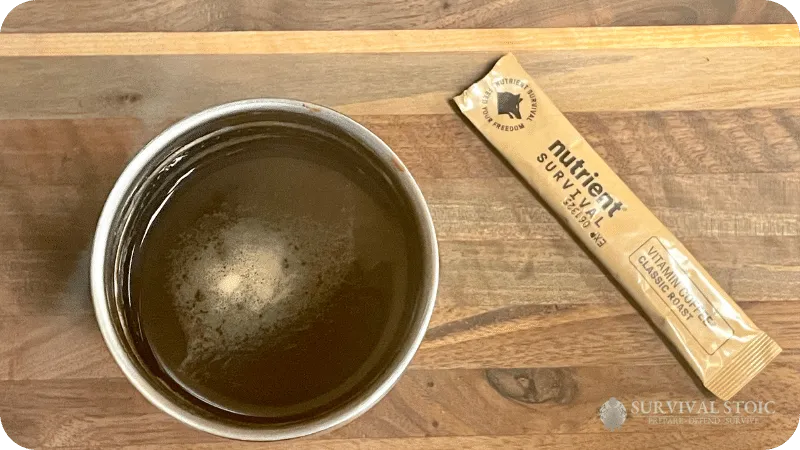
Coffee, drink mixes, chocolate, snacks, baking ingredients, and familiar comfort foods may not look impressive in survival checklists, but they can make difficult situations feel far more manageable psychologically.
Another major lesson is that many households dramatically overestimate how much “emergency-only” food they actually need.
In most realistic disruptions, people still cook normal meals, and grocery stores are only disrupted temporarily. Fuel and water matter just as much as food (sometimes even more so). Plus, you’ll probably be at least a little stressed, so convenience is helpful.
A deep pantry usually carries households much farther than people initially expect.
That does not mean long-term freeze-dried foods, MREs, or emergency ration bars are useless. They absolutely have legitimate roles. But after actually eating from stored food systems, many people gradually shift toward simpler, more flexible pantry setups centered around ordinary ingredients and low-friction meals.
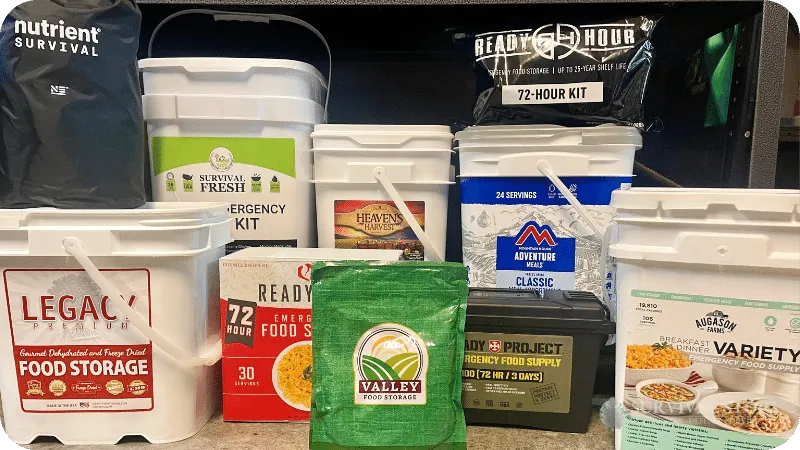
That said, complete meal kits can still serve an important role for backup calories or short-term disruptions. Our guide to the best emergency food kits covers the options that balance taste, shelf life, calories, and practicality most effectively.
What We Actually Store Most
Over time, we found ourselves relying far more heavily on ordinary ingredients than specialized survival meals.
Rice, pasta, canned chicken, instant potatoes, oats, soups, baking staples, and powdered ingredients consistently proved easier to rotate, easier to cook, and easier for the whole family to eat during stressful situations.
Common Emergency Food Rotation Mistakes
Most food storage failures do not happen because people lack enough food.
They happen because the system became too difficult, too expensive, or too disconnected from normal life to be maintained consistently.
A simple food storage system that lasts for years is usually far more effective than a perfect system that burns out after six months.
1. Buying Too Much Specialized Survival Food Too Early

Many beginners jump straight into large freeze-dried meal kits before building a solid deep pantry first.
While these products absolutely have a place, they often rotate poorly because families rarely eat them during ordinary life. A pantry built entirely around emergency-only foods can become expensive and difficult to maintain.
For most households, ordinary pantry foods should usually form the foundation of food storage.
2. Ignoring Fuel and Water Requirements

Foods like dry beans, rice, and pasta store extremely well, but they still require cooking resources.
During real emergencies, convenience matters more than many people initially expect. A pantry filled entirely with foods requiring long cook times can quickly become frustrating during outages or disruptions.
Low-prep foods often become far more valuable once normal routines break down.
3. Storing Food in Hot Garages or Attics
Storage conditions quietly ruin enormous amounts of emergency food every year.
Heat and temperature swings dramatically shorten shelf life, especially for:
- oils
- canned goods
- MREs
- foods containing fats
Cool, dry, climate-controlled storage usually matters more than complicated organization systems.
4. Building an Inventory System That Is Too Complicated
Some people create elaborate spreadsheets, barcode systems, or tracking apps that become difficult to maintain long-term.
While detailed systems can work for very large storage setups, most households do better with simple habits like:
- visible expiration dates
- FIFO shelf loading
- occasional pantry audits
- an “eat soon” bin
The easier the system feels, the more likely it is to survive busy seasons of life.
5. Buying Foods Nobody Actually Likes

Foods your family dislikes are not emergency food. They are future waste.
Many households discover too late that certain freeze-dried meals, canned foods, or bulk staples look better on paper than they do on a dinner plate.
This becomes even more important with children, who often struggle much more with unfamiliar foods during stressful situations.
6. Forgetting About Variety

A pantry may technically contain enough calories while still becoming exhausting to eat.
Too much repetition creates taste fatigue surprisingly quickly. Variety matters psychologically, especially during longer disruptions.
That is one reason many experienced food storage systems eventually include:
- sauces
- spices
- baking ingredients
- snacks
- drink mixes
- comfort foods
7. Treating Expiration Dates Like Panic Dates
Many shelf-stable foods remain usable well beyond their printed dates if stored properly.
Throwing away large amounts of food the moment a “best by” date arrives creates unnecessary waste and discourages people from maintaining larger pantry reserves over time.
How Often Should You Rotate Emergency Food?
One reason food storage feels overwhelming to many people is the assumption that everything requires constant monitoring and replacement.
In reality, most emergency food rotates far more slowly than people expect, especially when stored properly.
Not every food in your pantry needs the same level of attention.

Some foods should rotate regularly through normal meals, while others may remain stable for years with very little maintenance.
Here is a realistic overview of how often different types of emergency foods typically deserve attention:
| Food Type | Recommended Rotation Priority | Notes |
|---|---|---|
| Cooking oils | High | Often go rancid faster than other pantry foods |
| High-acid canned foods | High | Tomatoes and pineapple degrade faster |
| Boxed foods and snacks | Medium-High | Quality declines faster once exposed to air and humidity |
| Peanut butter | Medium | Oils separate and quality slowly declines |
| Low-acid canned foods | Medium | Usually remain usable for years if stored properly |
| Pasta and white rice | Medium-Low | Long shelf life in cool, dry storage |
| Freeze-dried ingredients | Low | Often remain stable for decades if sealed |
| Mylar-packed staples | Very Low | Designed specifically for long-term storage |
| Sugar and salt | Extremely Low | Can last indefinitely if protected from moisture |
For most households, the majority of active food rotation effort should focus on:
- everyday pantry foods
- cooking oils
- convenience foods
- frequently used ingredients
Long-term staples stored properly in Mylar bags or sealed containers often require very little intervention beyond occasional inspections.
A deep pantry should mostly rotate itself through normal cooking.
This is one reason ordinary pantry foods work so well for preparedness. Foods already moving through daily life naturally stay fresher without requiring constant inventory management.

It is also important to remember that “rotation” does not always mean throwing food away and replacing it. In many cases, it simply means:
- moving older foods forward
- using foods in upcoming meals
- replacing items gradually during grocery trips
- checking storage conditions periodically
For example, a can of soup approaching its best-by date does not necessarily need to be discarded. It may simply move into next week’s lunch rotation while a newer can takes its place on the shelf.
This mindset dramatically reduces waste and makes larger food reserves much easier to maintain long-term.
Temperature also affects rotation timelines heavily.
Foods stored in cool interior spaces often last significantly longer than foods exposed to:
- summer garage heat
- attic temperatures
- humidity
- repeated temperature swings
This becomes especially important for:
- MREs
- oils
- nuts
- whole grains
- canned foods containing fats
Most emergency food systems become much more manageable once people stop treating every item like it is about to expire tomorrow.
Final Thoughts
Most emergency food waste does not happen because people failed to prepare.
It happens because they built systems that were too complicated, too disconnected from normal life, or too unrealistic to maintain long-term.
The most sustainable emergency food storage systems are usually surprisingly ordinary. They rely on familiar foods, simple rotation habits, realistic pantry depth, and gradual accumulation instead of constant micromanagement or extreme stockpiling.
A well-rotated emergency pantry should feel less like a bunker and more like a well-managed kitchen.

That is one reason deep pantry systems work so well for most households. The food stays active. Meals stay familiar. Rotation happens naturally through ordinary life instead of becoming a separate preparedness project that eventually gets ignored.
Long-term staples, freeze-dried foods, MREs, and emergency meal kits still have an important role. But for most families, the foundation of preparedness is usually much simpler:
- foods you already eat
- foods you already know how to cook
- foods that fit naturally into normal life
That approach not only reduces waste but also creates a more flexible and resilient household during disruptions, shortages, storms, layoffs, or temporary financial pressure.
Most importantly, it creates a preparedness system people can realistically maintain for years instead of abandoning after a few months.
Emergency food rotation is not about managing a stockpile forever. It is about building a pantry that keeps feeding your family whether life is normal, expensive, inconvenient, or temporarily disrupted.
