

Learn which foods store best, how much emergency food you actually need, and how to build a practical survival pantry.
Building a reliable survival food supply isn’t about finding the one “perfect” food. It’s about building a system that continues to feed your household when normal shopping, refrigeration, or cooking becomes difficult.
The foods that work best in emergencies share a few simple traits. They store well, provide meaningful nutrition, are easy to prepare with limited fuel, and are familiar enough that your family will actually eat them under stress.

A lot of survival food advice swings between two extremes. Some guides recommend stockpiling random grocery items without a plan. Others push expensive freeze-dried meal buckets as if every household needs a bunker full of 25-year food storage.
In reality, most resilient food systems are much simpler than that.
At Survival Stoic, we approach emergency food in layers: everyday pantry staples first, ready-to-eat backup foods second, and long-term storage options where they actually make sense.
This guide explains how that system works. We’ll walk through the most useful survival foods to prioritize, how much food most households actually need, and how to build a practical pantry that can handle short disruptions, natural disasters, and longer supply interruptions.
What Is the Best Survival Food?
The best survival foods are shelf-stable ingredients that store well, provide reliable calories, and can be prepared with minimal fuel.
Some of the most practical foods to stock include:
- white rice
- dry beans
- rolled oats
- pasta
- canned meat
- peanut butter
- canned vegetables
- powdered milk
These foods form the backbone of most emergency food storage plans because they are affordable, versatile, and widely available.
We’ve dived into how to store rice and beans specifically because they’re such useful survival foods.
Why You Can Trust This Guide
Survival Stoic is built around practical civilian preparedness. We don’t treat survival food as a theoretical exercise. It’s something we actively build, test, and maintain in our own homes.
This guide is based on several years of hands-on experience evaluating survival foods and food storage systems, including:
- Building and rotating multi-month emergency food supplies using grocery store staples
- Testing commercial emergency food kits from multiple companies
- Evaluating MREs, powdered foods, and freeze-dried meals for practicality and shelf life
- Packaging long-term staples like rice, beans, and oats using Mylar bags and oxygen absorbers
- Testing food storage equipment, including freeze dryers and pantry storage systems
Our recommendations are also informed by preparedness guidance from organizations such as:
- FEMA
- The American Red Cross
- State emergency management agencies
Most importantly, we focus on what actually works for civilian households. That means food that stores well, is affordable to stock in real quantities, and can realistically be prepared during power outages or supply disruptions.
Everything in this guide is built around that principle: practical preparedness, not theoretical perfection.
What This Guide Covers
Building a reliable emergency food supply can feel overwhelming at first. There are thousands of products marketed to preppers, dozens of different storage methods, and a lot of conflicting advice about what foods you should actually store.
This guide is designed to simplify that process.
Instead of focusing on individual products, we start with the system behind survival food: which foods matter, how they fit together, and how to build a practical food supply step by step.
Inside this guide, we’ll cover:
- The main categories of survival food, and when each one makes sense
- The most practical foods to prioritize first when building an emergency pantry
- How much food most households should realistically store
- How proper storage dramatically extends shelf life
- Common survival food mistakes that waste money or storage space
You’ll also find links throughout this guide to our deeper Survival Stoic articles covering topics like:
- long-term food storage
- Mylar bags and oxygen absorbers
- emergency food kits
- MREs and ready-to-eat meals
- powdered ingredients and baking staples
If you’re starting from scratch, this guide will help you understand the overall framework for emergency food storage. From there, you can explore the individual guides that match your specific preparedness goals.
The Survival Stoic Survival Food Framework
When people start building an emergency food supply, the biggest mistake we see is focusing on individual foods instead of building a system. A reliable survival pantry is a layered approach that ensures you have food that works across different types of emergencies.
At Survival Stoic, we think about survival food in five practical layers. Each layer solves a different problem, from short power outages to longer disruptions in supply chains.
| Layer | Purpose | Examples |
|---|---|---|
| Water | The absolute foundation of survival | Stored water, water containers, purification methods |
| Pantry Staples | Affordable calories and everyday meals | Rice, beans, oats, pasta, canned goods |
| Ready-to-Eat Foods | Fast meals when cooking is difficult | MREs, canned soup, protein bars |
| Long-Term Storage Foods | Multi-year food reserves | Mylar-stored staples, freeze-dried foods, powdered ingredients |
| Morale Foods | Comfort and psychological resilience | Coffee, chocolate, spices, sweeteners |
Most households already have part of this system without realizing it. The goal is to strengthen it so it can handle disruptions.
Layer 1: Water Comes First
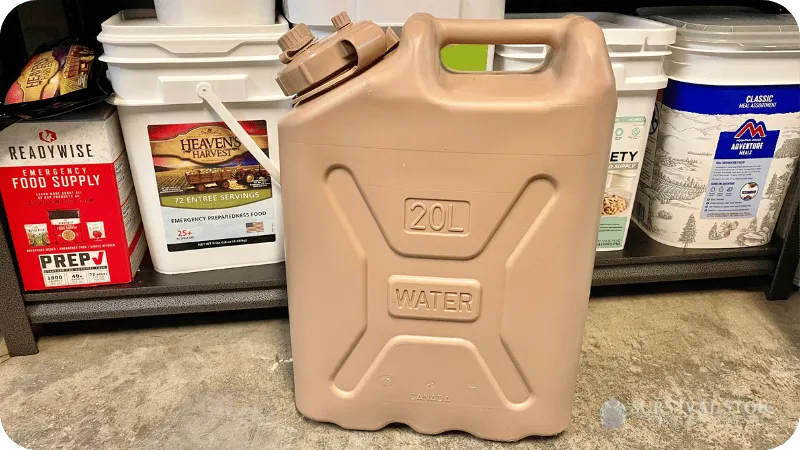
Food is important, but water is the true priority in any emergency.
Most preparedness organizations recommend storing at least one gallon of water per person per day for drinking and cooking. In practice, many households benefit from storing more than this, especially if you live in a hot climate or plan to cook dry foods like rice and beans.
Before building a large food supply, make sure your water storage plan is solid.
Layer 2: Pantry Staples

Pantry staples form the backbone of a practical survival food supply. These are inexpensive foods that store well, provide meaningful calories, and can be used in many different meals.
Examples include:
- white rice
- dry beans
- pasta
- oats
- flour
- canned meat
- canned vegetables
- peanut butter
For most households, this layer will provide the majority of stored calories.
Many of the most practical pantry staples can be purchased during normal grocery trips. See our guide to the best foods to stockpile from the grocery store for a complete list of affordable options.
Layer 3: Ready-to-Eat Foods

In some emergencies, cooking simply isn’t practical. Power outages, evacuations, illness, or limited fuel can make quick meals far more valuable than foods that require preparation.
Ready-to-eat foods help fill that gap.
Common examples include:
- MREs
- canned soup and chili
- crackers and shelf-stable snacks
- protein bars
These foods are not always the cheapest option, but they are extremely useful when convenience matters.
Layer 4: Long-Term Storage Foods

Once your basic pantry is established, long-term storage foods help extend your food supply much further.
This often involves packaging staple foods using Mylar bags and oxygen absorbers, or purchasing freeze-dried foods designed for multi-year storage.
Examples include:
- rice and beans packaged for long-term storage
- powdered milk and powdered eggs
- freeze-dried meals and ingredients
These foods can last years or even decades when stored properly.
Layer 5: Morale Foods
This layer is often overlooked, but it matters more than people think.
During stressful situations, familiar flavors and small comforts can make a huge difference. Morale foods also help encourage people — especially kids — to keep eating regularly when routines are disrupted.
Examples include:
- coffee and tea
- chocolate
- maple syrup
- honey
- spices and seasoning blends
These foods don’t form the backbone of a survival pantry, but they make the rest of the system much easier to live with.
Building a food stockpile is only half the battle. You also need a system for rotating emergency food, so supplies stay fresh and usable when you actually need them.
A good survival food supply includes all five layers working together. Pantry staples provide calories, ready-to-eat foods offer convenience, long-term storage extends your supply, and morale foods make the entire system sustainable.
Once you understand this framework, choosing which foods to store becomes much easier.
The Best Survival Foods to Stock First
Once you understand the basic framework of survival food, the next question becomes much simpler: which foods should you actually buy first?
There are thousands of shelf-stable foods you could store, but most effective emergency pantries rely on a fairly small group of proven staples. These foods store well, provide useful nutrition, and can be turned into a wide range of meals.
Instead of thinking in terms of dozens of individual items, we recommend focusing on a few core categories.
| Type of Survival Food | Shelf Life | Best Use |
|---|---|---|
| Pantry Staples | 1–5 years | Everyday meals |
| MREs | 5–8 years | Ready-to-eat emergencies |
| Freeze-Dried Meals | 20–30 years | Long-term storage |
| Emergency Food Kits | 20+ years | Convenience |
| Morale Foods | Varies | Comfort and variety |
Core Staple Foods
Staple foods form the backbone of most long-term food storage plans. They are inexpensive, calorie-dense, and extremely versatile in cooking.
Some of the most reliable options include:
- White rice
- Dry beans
- Rolled oats
- Pasta
- Flour
- Cornmeal
- Lentils
These foods can be stored for long periods and used in a wide variety of meals. When packaged properly for long-term storage, many of them can last years or even decades.
For most households, staple foods will provide the majority of the stored calories in their emergency food, especially for shorter durations, such as a 30-day food supply.

Shelf-Stable Protein Sources
Protein is one of the most overlooked parts of emergency food storage. While grains provide calories, your body still needs adequate protein to maintain strength and energy during stressful situations.
Some of the easiest protein sources to store include:
- Canned tuna
- Canned chicken
- Canned ham or Spam
- Peanut butter
- Lentils
- Dry beans
- Powdered eggs
These foods require little preparation and can easily be added to meals built around staple foods like rice, pasta, or potatoes.
Shelf-Stable Fruits and Vegetables
Nutrition matters just as much as calories. During extended emergencies, it’s easy for diets to become overly focused on starches and processed foods.
Adding shelf-stable fruits and vegetables helps provide fiber, vitamins, and variety.
Common options include:
- Canned vegetables (corn, green beans, carrots, tomatoes)
- Canned fruit (pears, pineapple, peaches)
- Applesauce
- Dried fruit (raisins, cranberries, dates, apricots)
These foods also help improve the taste and variety of meals built around staple ingredients.
Ready-to-Eat Emergency Foods
Some emergencies make cooking difficult or impossible. Power outages, evacuations, or illness can make ready-to-eat foods extremely valuable.
These foods require little or no preparation:
- MREs (Meals Ready to Eat)
- Canned soup
- Crackers
- Protein bars
- Instant mashed potatoes
- Ramen noodles
While these foods are not always the most economical long-term option, they provide convenience and flexibility during the early stages of an emergency.
Cooking Essentials and Baking Staples
A pantry full of ingredients doesn’t help much if you can’t actually turn them into meals. A few key cooking ingredients make staple foods far more usable.
Important items include:
- Salt
- Sugar
- Cooking oil
- Spices and seasoning blends
- Bouillon cubes
- Vinegar
These small additions dramatically improve flavor and make it easier to prepare a wider variety of meals.
Long-Term Pantry Ingredients
Some foods are not everyday staples, but they become extremely valuable in long-term food storage.
These ingredients help fill gaps in baking, nutrition, and food preparation.
Examples include:
- Powdered milk
- Powdered eggs
- Pancake mix
- Potato flakes
- Baking soda
These foods help expand the number of meals you can prepare from your stored ingredients.

Morale Foods
Finally, a small amount of comfort food can go a long way during stressful situations.
Familiar flavors help maintain morale and make a survival pantry feel more like a normal kitchen.
Examples include:
- Coffee
- Tea
- Chocolate
- Maple syrup
- Honey
- Candy
These foods should not make up the bulk of your emergency food supply, but they can make a big difference during difficult circumstances.
If you’re building a survival food supply, focus on these priorities first:
- Store water for every member of your household
- Build a pantry of staple foods like rice, beans, and oats
- Add ready-to-eat foods for convenience
- Extend shelf life with proper storage methods
- Include a few morale foods for comfort
How Much Survival Food You Actually Need
One of the most common questions people ask when building an emergency food supply is simple: how much food should we store?
The honest answer is that it depends on your goals, your household size, and the types of emergencies you’re preparing for. However, most civilian preparedness plans work best when they’re built in layers, gradually expanding your food supply over time.
Instead of trying to jump straight to a year of food storage, we recommend building your emergency pantry in stages.
How Many Calories Do You Need in an Emergency?
When planning an emergency food supply, it helps to think in terms of daily calories per person rather than just counting packages of food.
Most adults require roughly 2,000 to 2,500 calories per day to maintain energy under normal conditions. In a stressful situation where people may be walking more, carrying supplies, or performing physical work, calorie needs can increase.
A simple planning guideline many preparedness experts use is:
- 2,000 calories per person per day for basic planning
- 2,400–2,800 calories for highly active adults
Children typically require fewer calories, while teenagers and physically active adults may require more.
For example, a family of four planning for a two-week emergency supply would want to store roughly:
2,000 calories × 4 people × 14 days = 112,000 total calories
This doesn’t mean you need to count every calorie in your pantry. Instead, the goal is to ensure your food storage includes enough calorie-dense staples like rice, beans, pasta, oats, and cooking oils to provide sustained energy during an emergency.
Convenience foods like canned goods and ready-to-eat meals add variety and flexibility, but staple ingredients are usually what provide the bulk of calories in long-term food storage.
Survival Food Calorie Calculator
Use this simple calculator to estimate how many calories your household needs for an emergency food supply.
Survival Food Calorie Calculator
Assumes ~2,000 calories per adult and ~1,400 calories per child per day.
A 72-Hour Emergency Supply
The first layer is a three-day emergency supply.
This level of preparedness covers the most common disruptions people experience, including:
- short power outages
- severe storms
- temporary evacuations
- brief supply disruptions
At this stage, the focus should be on simple, ready-to-eat foods and reliable water storage. Many households already have most of what they need for a three-day supply sitting in their pantry.
A Two-Week Food Supply
Once the basics are covered, expanding to a two-week food supply adds a much stronger safety margin.
Two weeks of stored food can help households ride out:
- extended power outages
- severe winter storms
- temporary supply shortages
- transportation disruptions
At this stage, your pantry should include a mix of pantry staples, canned goods, and ready-to-eat foods.
A One-to-Three Month Food Supply
For many families, a one-to-three month food supply represents the sweet spot of practical preparedness.
At this level, your household has a significant buffer against:
- prolonged supply chain disruptions
- economic instability or sudden price spikes
- job loss or income interruptions
- regional disasters that disrupt food availability
This stage is where proper food storage methods begin to matter more. Staple foods like rice, beans, oats, and flour become the backbone of your pantry, while canned goods and convenience foods help round out everyday meals.
If you’re working toward this level of preparedness, our detailed guide can walk you through the process step by step:
A Long-Term Food Supply
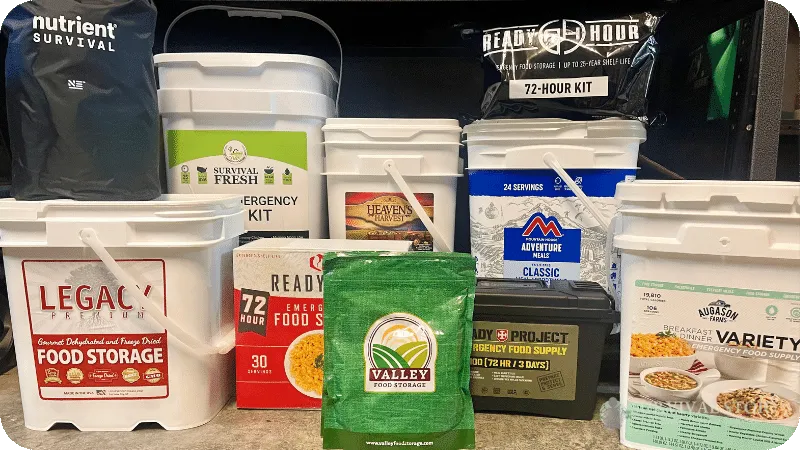
Some households choose to extend their food storage even further.
Long-term storage typically involves:
- packaging staple foods using Mylar bags and oxygen absorbers
- storing freeze-dried foods designed for 20–30 year shelf life
- maintaining deeper reserves of grains, beans, and powdered ingredients
This level of preparedness is less common, but it can make sense for households focused on deeper self-reliance or living in remote areas where resupply may be difficult.
Start With What You Already Eat
One of the best strategies for building a survival pantry is surprisingly simple: store more of the foods your household already uses.
This approach offers several advantages:
- You already know how to cook with the foods
- Your family will actually eat them
- You can rotate supplies naturally through everyday use
By gradually adding shelf-stable foods to your pantry and rotating them regularly, many households can build a reliable emergency food supply without drastically changing their normal grocery habits.
How to Store Survival Food Properly
Choosing the right foods is only half the equation. How you store those foods often determines how long they will actually last. Not storing food correctly is one of the biggest emergency food storage mistakes.
Many shelf-stable foods can last for years when stored correctly, but poor storage conditions can shorten that lifespan dramatically. Heat, moisture, oxygen, light, and pests are the five main factors that cause stored food to degrade.
The goal of good food storage is simple: reduce those risks as much as possible.
Keep Food Cool, Dry, and Dark
Most survival foods store best in environments that are:
- Cool
- Dry
- Protected from direct sunlight
Temperature plays a particularly important role. As a general rule, the cooler the storage environment, the longer most foods will last.
Many households successfully store food in places such as:
- basements
- closets
- under-bed storage areas
- interior pantry shelves
Avoid storing food in garages, attics, or other locations where temperatures fluctuate significantly throughout the year.
Protect Dry Staples from Oxygen and Moisture

Foods like rice, beans, oats, and flour can be stored for very long periods, but they are vulnerable to oxygen and moisture. Over time, exposure to air can cause food to degrade, lose flavor, or become infested with pantry pests.
One of the most reliable long-term storage methods is using:
- Mylar bags
- Oxygen absorbers
- Food-safe storage containers
This approach removes oxygen from the package and dramatically slows the processes that cause food to spoil.
If you want to see exactly how this process works, we walk through it step-by-step here:
And if you’re choosing packaging supplies, this guide compares the options we recommend:
Rotate Your Food Using a FIFO System
A well-stocked pantry only works if the food inside it remains usable. The easiest way to manage this is to use a FIFO (first in, first out) system.
This simply means:
- store newer food behind older food
- use the oldest items first
- replace what you consume during normal grocery trips
Rotation prevents food from expiring and ensures your pantry stays stocked with items your household already knows how to cook.
This approach also solves a common prepper problem: people buying large amounts of food they never actually use.
Store Food in Practical Container Sizes

When possible, it’s usually better to store food in smaller containers rather than very large ones.
Once a container is opened, many foods begin to degrade more quickly. Smaller containers reduce waste and make it easier to rotate supplies through normal household use.
This is especially important for foods like:
- powdered milk
- powdered eggs
- dried fruit
- crackers
- cereals
Opening a large container only to have it spoil weeks later defeats the purpose of long-term storage.
Think of Storage as a System
Good food storage is not just about packaging individual foods. It’s about building a system that keeps your pantry organized, accessible, and easy to maintain.
For a deeper breakdown of different storage methods and shelf-life expectations, we cover that in detail here:
With the right storage approach, many common pantry foods can last far longer than most people expect.
Foods to Store Sparingly
Not every shelf-stable food is a good candidate for long-term storage. Some foods spoil faster than people expect, require more cooking fuel, or become difficult to use after extended storage.
These foods aren’t necessarily bad choices, but they usually shouldn’t form the backbone of an emergency pantry.
Here are a few common examples.
Brown Rice
Brown rice is often recommended as a healthy alternative to white rice, but it does not store nearly as well. The natural oils in the bran layer cause it to spoil much faster.
While properly stored white rice can last for many years, brown rice typically has a shelf life closer to six to twelve months.
For long-term storage, most preparedness plans rely on white rice instead.
Whole Wheat Flour
Whole wheat flour contains more natural oils than white flour, which shortens its storage life.
Even under good conditions, whole wheat flour tends to spoil faster than refined flour. Many households still store it for baking, but it requires more frequent rotation.
If long-term storage is the goal, white flour or stored wheat berries are usually better options.
Granola
Granola often appears on survival food lists because it’s calorie-dense and portable. However, it typically contains oils and nuts that limit its shelf life.
Most granola products remain fresh for six months or less, making them better suited for short-term emergency kits rather than long-term pantry storage.
Oversized Containers
Large bulk containers can seem like a great deal, but they can create problems once opened.
Many foods begin to degrade quickly after exposure to air and humidity. If a container is too large for your household to finish within a reasonable time, some of that food may end up being wasted.
Smaller containers are often easier to rotate and manage.
The Bottom Line
A strong emergency pantry focuses on foods that are:
- stable for long periods
- easy to cook with limited fuel
- versatile in recipes
- familiar to your household
By prioritizing those characteristics, you avoid wasting money on foods that are difficult to store or use during an emergency.
One of the biggest patterns we’ve seen over years of testing is this:
Most people overestimate how much specialized “survival food” they need and underestimate how effective a well-built pantry actually is.
A shelf full of rice, beans, canned meat, and basic ingredients will outperform expensive emergency food kits in most real-world situations. The households that are best prepared aren’t the ones with the most gear. They’re the ones with systems they actually use.
Survival Food for Special Diets
Most survival food guides assume a “standard” diet. In reality, many households have dietary restrictions that change what foods actually work in an emergency.
If your household has specific needs, your food storage plan needs to reflect that now, not during a crisis.
Common considerations:
Gluten-free
Focus on naturally gluten-free staples like:
- rice
- beans
- oats (certified gluten-free)
- potatoes
Avoid relying heavily on wheat-based foods like pasta and flour.
Diabetic-friendly
Prioritize foods that help manage blood sugar:
- beans and lentils
- whole grains
- protein sources like canned meat and peanut butter
Limit reliance on high-sugar canned fruits and processed snacks.
Food allergies
This is where many emergency food kits fall short. Always:
- Check ingredient labels carefully,
- Avoid “variety packs” with unknown ingredients
- Build your own pantry instead of relying solely on pre-made kits
Low-sodium
Many canned and emergency foods are high in sodium. Look for:
- low-sodium canned goods
- dried staples you can control yourself
Simply put, the key principle is to store food your body tolerates now, not what looks good on a prepper checklist. In an emergency, the “perfect” food is the one you can safely eat.
The Stoic Psychology of Food Scarcity
Building a food supply isn’t just about calories. It’s about how you handle disruption.
Most people focus on what to buy. Far fewer think about how they’ll actually respond when their normal routine disappears.
That’s where this starts to matter.
1. Practice Before You Need It
A pantry full of rice and beans doesn’t help if no one in your house wants to eat it. The time to figure that out is now, not during a power outage or supply shortage.
Every once in a while, cook a meal using only your stored food:
- rice, beans, canned meat
- basic seasonings
- limited ingredients
2. Control What You Can
You can’t control supply chains. You can’t control grocery prices. You can’t control how long a disruption lasts.
You can control the inventory in your basement. By shifting your focus from the “macro” (the disaster) to the “micro” (the rotation of your FIFO system), you replace panic with purposeful action.
3. Don’t Ignore Morale
Food is fuel, but it’s also comfort.
In a stressful situation, small things matter more than people expect, like coffee in the morning and something sweet after a long day. A Stoic recognizes that while a full pantry is “preferred,” their ability to remain calm and resourceful is their most valuable asset.
Storing “Morale Foods” like coffee or chocolate is about maintaining the “inner citadel” during external chaos.
“Set aside now and then a number of days during which you shall be content with the plainest of food, and ask yourself, ‘Is this what I feared?'” — Seneca
Where to Go Next
Building a reliable survival food supply doesn’t happen all at once. Most households build their pantry gradually over time as they learn more about food storage, cooking methods, and preparedness planning.
If you want to go deeper, these Survival Stoic guides walk through the next steps in more detail.
Emergency Food Planning
If you’re starting from scratch or building a larger pantry, these guides help you plan how much food to store and how to structure your supply.
These articles focus on building a practical food supply that works for both short disruptions and longer emergencies.
Emergency Food Kits and Reviews
Commercial emergency food kits can be useful for convenience or long-term storage. These guides compare some of the most common options and explain when they make sense.
Long-Term Food Storage
Proper storage methods can dramatically extend the life of many pantry staples. These guides walk through the tools and techniques used to store food for years instead of months.
Key Pantry Ingredients
Some ingredients are particularly useful for long-term preparedness and emergency cooking.
These guides explain how to choose and store them properly:
Continue Building Your Preparedness Plan
Food is only one part of emergency preparedness. Water storage, cooking methods, and energy sources all play important roles in making your food supply usable during an emergency.
If you’re building a broader preparedness plan, these guides are a good place to continue.
Bottom Line
The best survival food supply isn’t built from one shopping trip or one bucket of emergency meals. It’s built gradually by storing practical foods, learning how to use them, and creating a system your household can maintain over time.
Start with familiar pantry staples, add convenient backup foods, and expand into long-term storage methods as your preparedness plan grows.
Stay Prepared
If you’re building your emergency pantry or working through the rest of your preparedness plan, our newsletter is where we share new guides, testing notes, and practical strategies from the Survival Stoic team.
We send updates when we publish new field-tested articles and preparedness resources that help you build a more resilient household.
