

We spent two weeks eating only from our emergency pantry with kids to find the breaking point. This guide is the result of those experiments.
Most grocery stores already contain enough food to build a serious emergency pantry. The hard part is knowing the best foods to stockpile from the grocery store.
A good stockpile is about far more than shelf life. Calories matter, but so do cooking fuel, clean water, nutrition, morale, convenience, and whether your family will actually eat the food after day four. A pantry built entirely around “survival efficiency” often fails in practice. People get appetite fatigue. Kids refuse unfamiliar foods. Meals that looked great on paper suddenly require far more water, fuel, and cleanup than expected.
That’s why the best foods to stockpile from the grocery store aren’t necessarily the ones with the longest shelf life. They’re the foods that help you build a practical, layered pantry that can absorb disruptions without turning daily life upside down.
Simply put, they’re the foods that you can actually eat in an emergency.

The goal isn’t to panic-buy 200 pounds of rice and disappear into a bunker. It’s to build a resilient food system using normal grocery-store foods you already know how to cook, rotate, and eat.
In this guide, we’ll break down the best grocery store survival foods by category, explain the hidden tradeoffs most preparedness lists ignore, and show you how to build a pantry that balances calories, nutrition, convenience, and long-term resilience.
If you’re building a larger preparedness pantry, our full guide to the best survival foods for long-term storage breaks down how grocery-store foods fit alongside freeze-dried meals, emergency kits, and deep pantry staples.
If you are starting with an empty pantry today, don’t overthink the logistics yet. Go to the store and buy these 8 items to secure a baseline of calories, protein, and morale:
- 1 large bag of Long-Grain White Rice
- 1 container of Rolled Oats
- 2 large jars of Peanut Butter
- 4 containers of Flavored Chicken or Tuna
- 4 cans of Hearty Chili or Beef Stew
- 2 boxes of Pasta & 2 jars of Marinara Sauce
- 1 container of Iodized Salt
- 1 small jar of Instant Coffee
What Makes the Best Foods to Stockpile from the Grocery Store?
Not all shelf-stable foods are equally useful in an emergency. Some foods look excellent on paper but become frustrating once you actually have to rely on them for days or weeks at a time. Others become the backbone of a resilient pantry because they’re cheap, versatile, easy to cook, and familiar.
Before buying anything, it helps to understand what actually makes a grocery store food worth stockpiling.
1. Shelf Life
Shelf life matters, but longer is not always better.
A food that lasts 30 years but never gets eaten is often less practical than a food you rotate regularly through your normal meals. For most households, the ideal emergency pantry is built around foods with reasonably long shelf lives that fit naturally into everyday life.
Proper storage conditions matter just as much as the food itself, especially once you start building deeper reserves of grains, beans, and baking staples. Our guide on how to store food long term covers temperature, moisture, oxygen exposure, and rotation strategies in more detail.
This is why foods like:
- rice
- pasta
- canned meat
- oats
- peanut butter
- canned soup
tend to work so well. They store reasonably well, and people already know how to use them.
Even the best survival foods will eventually expire, which is why every preparedness plan should include a simple emergency food rotation system.
2. Calorie Density
Many beginners accidentally build low-calorie pantries.
A shelf full of canned vegetables may look impressive, but it won’t provide enough energy during a stressful situation. In an emergency, people are often:
- more physically active
- under more stress
- burning more calories
- relying more heavily on stored food
Calorie-dense staples like rice, oats, pasta, beans, peanut butter, and cooking oils form the foundation of most practical emergency pantries because they provide substantial energy without taking up enormous amounts of space.
3. Ease of Preparation

Some foods are only practical if you still have:
- reliable electricity
- abundant water
- cooking fuel
- time and energy to cook
Dry beans are a classic example. They’re nutritious, cheap, and store extremely well. But they also require long cooking times, significant water, and a surprising amount of fuel.
Meanwhile, canned chili may be less space-efficient and more expensive, but it can be eaten straight from the can if necessary.
A good pantry balances both.
4. Versatility
The best stockpile foods work in dozens of different meals.
Rice can become:
- soups
- stir fry
- burrito bowls
- casseroles
- breakfast rice
- simple side dishes
Flour can become:
- bread
- tortillas
- pancakes
- biscuits
- dumplings
Versatile foods reduce boredom and make it easier to adapt when certain ingredients become unavailable.
5. Morale and Appetite Fatigue

This is where many emergency food lists fall apart.
People are not calorie-processing machines. After several days of eating the same bland foods, morale drops quickly. Texture fatigue becomes real. Sweet foods become exhausting. Children may stop eating enough altogether.
Small comforts matter more than many people realize during stressful situations.
Foods like:
- coffee
- tea
- spices
- bouillon
- drink mixes
- chocolate
- pancake mix
- canned fruit
often provide disproportionate psychological value compared to the space they occupy.
A pantry should feel like a functioning kitchen, not a ration depot.
During our real-world pantry trials, we discovered that texture fatigue sets in much faster than flavor fatigue. After days of eating soft rice, mushy oats, and canned soups, your jaw naturally craves a crunch. Do not underestimate the psychological value of storing simple crackers, tortilla chips, pretzels, or nuts just to break up the physical monotony of survival staples.
Rotational Potential
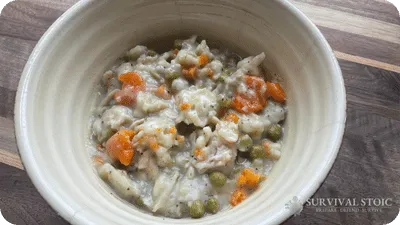
The easiest emergency pantry to maintain is the one you already use.
Instead of buying strange “survival foods” that sit untouched for years, many families are better served by gradually building deeper reserves of foods they already eat every week.
This approach:
- reduces waste
- simplifies rotation
- saves money
- makes preparedness feel normal instead of extreme
The best stockpile foods are usually the foods that fit into everyday life long before an emergency happens.
The 3-Layer Grocery Store Pantry System

One of the biggest mistakes beginners make is building an emergency pantry backward. They buy massive quantities of long-term staples first, usually rice, beans, and buckets of dehydrated food, before building a functional pantry they can actually use during short-term disruptions.
In reality, most emergencies are not year-long survival scenarios. They’re shorter disruptions:
- winter storms
- temporary job loss
- supply chain shortages
- illness
- power outages
- inflation spikes
- natural disasters
A practical pantry should handle all of those situations, not just worst-case scenarios.
The easiest way to do that is to think in layers.
Layer 1: The Daily Pantry (0-7 Days)
This is the food your household already eats regularly.
The goal here is simple: instead of keeping a few days of food in the house, keep a few weeks. Double up on staples during grocery trips and slowly build depth into your normal pantry.
This layer should focus heavily on:
- foods your family already likes
- easy meal preparation
- foods that rotate naturally
- minimal lifestyle changes
Examples include:
- pasta
- rice
- canned soup
- peanut butter
- cereal
- oatmeal
- canned vegetables
- pasta sauce
- crackers
- tortillas
- canned meat
For most families, this layer does the majority of the work during real-world disruptions.
Layer 2: The Backup Pantry (7-30 Days)
This is where you begin adding foods specifically chosen for resilience.
These foods usually:
- last longer
- store more efficiently
- provide higher calorie density
- require less refrigeration dependence
This layer creates breathing room during longer disruptions and helps stabilize food costs during inflation or temporary shortages.
Good options include:
- dry beans
- white rice
- rolled oats
- powdered milk
- canned chicken
- canned chili
- instant potatoes
- flour
- cooking oil
- bouillon
- dried pasta
- canned fruit
This layer should still focus on realistic meals and practical cooking, not just raw survival calories.
Layer 3: The Long-Haul Staples (30+ Days)

These are the “boring but important” foods that quietly provide large amounts of calories and long-term stability. They may not be exciting, but they dramatically increase how long your household can remain functional during a serious disruption.
Examples include:
- large bags of white rice
- wheat berries
- dry beans
- sugar
- salt
- honey
- flour
- oats
- pasta
- dehydrated potatoes
This layer is where proper storage starts to matter more. Heat, moisture, oxygen, and pests become much bigger concerns once you begin storing larger quantities of food.
Many people eventually use:
- food-grade buckets
- Mylar bags
- oxygen absorbers
to extend shelf life for these staples.
If you’re storing larger amounts of rice, beans, oats, or flour, learning how to use Mylar bags and oxygen absorbers correctly can dramatically extend shelf life. We also tested several options in our guide to the best Mylar bags for food storage if you’re building a deeper pantry system.
Why This Layered Approach Works
This system solves several major preparedness problems at once.
It prevents:
- buying foods nobody actually eats
- building a pantry with no ready-to-eat options
- relying entirely on electricity or refrigeration
- creating a pantry full of ingredients but no actual meals
- overspending on expensive freeze-dried food too early
Most importantly, it turns preparedness into a gradual process instead of a giant panic purchase.
The Hidden Cost of Cheap Calories

Some of the cheapest survival foods at the grocery store come with hidden tradeoffs that most preparedness lists barely mention.
On paper, foods like dry beans, rice, pasta, and flour look nearly perfect:
- cheap
- calorie-dense
- shelf-stable
- versatile
And they are excellent pantry staples. But many people build stockpiles around these foods without fully considering the practical realities of cooking and living off them during an actual disruption.
A pantry that works well during normal life can become much harder to manage when:
- the power is out
- water is limited
- fuel is scarce
- stress levels are high
- dishes are piling up
- everyone is tired
That’s why it’s important to think beyond raw calories.
| Food | Why It’s Popular | Hidden Tradeoff |
|---|---|---|
| Dry beans | Cheap, nutritious, long shelf life | Long cooking times and high fuel use |
| White rice | Dense calories and versatile | Requires water and cooking fuel |
| Pasta | Familiar and filling | Uses large amounts of water |
| Flour | Extremely versatile | Requires baking skills, fuel, and extra ingredients |
| Freeze-dried meals | Lightweight and long-lasting | Depend heavily on clean hot water |
| Canned soup/chili | Ready-to-eat convenience | Heavy and less space-efficient |
| Peanut butter | High-calorie and ready-to-eat | Shorter shelf life than dry staples |
| Cooking oil | Extremely calorie dense | Can eventually go rancid |
Water is Vital

Many survival foods assume you’ll have access to abundant, clean water.
That becomes a problem surprisingly quickly.
Cooking pasta, rice, beans, and oatmeal all require water. Cleaning cookware afterward requires even more. During a prolonged outage or emergency, water often becomes one of the most valuable resources in the house.
During our test runs of living off survival foods, we quickly realized that water was often our bottleneck, not actually the food we had stored.
This is one reason canned foods remain so useful despite their bulk. Many can be eaten directly from the container with little or no preparation.
Always dedicate 15% of your pantry to foods that require absolutely no cooking and no added water. StarKist tuna pouches, pre-cooked Uncle Ben’s rice pouches, tortillas, and peanut butter are your “Day 1 of the Emergency” foods. If the power goes out and stress is at an all-time high, the last thing you want to do is fumble with a camp stove and burn through your drinking water just to hydrate a dry meal. Tear, eat, survive.
Fuel Matters More Than Most People Expect

People often underestimate how much fuel cooking actually uses.
Dry beans are a perfect example. While incredibly cheap per calorie, they can require:
- soaking
- boiling
- simmering for hours
That may not matter in normal life, but during an extended outage, every minute of propane, butane, charcoal, or firewood suddenly matters much more.
A pantry built entirely around “efficient” staples can become frustrating if every meal requires significant fuel and cleanup.
Convenience Has Survival Value

There’s a tendency in preparedness circles to treat convenience foods as wasteful or inferior. But in a real emergency, convenience often becomes extremely valuable.
Sometimes the best emergency food is simply the food you can eat immediately while exhausted, stressed, sick, or dealing with other problems.
Ready-to-eat foods help bridge the gap between:
- full cooking capability
- and complete disruption
That’s why many experienced preppers keep a mix of:
- dry staples
- canned foods
- snack foods
- instant foods
- fully ready-to-eat meals
A balanced pantry is usually far more resilient than a perfectly “optimized” one. Some households also keep a small emergency food kit on hand as a backup layer alongside their grocery-store pantry.
Build Around Realistic Meals
One of the easiest ways to avoid these problems is to think in terms of meals instead of ingredients.
For example:
- rice + canned chicken + cream soup + spices
- oats + powdered milk + raisins + cinnamon
- pasta + canned tomatoes + canned meat
- instant potatoes + canned beef + gravy mix
These combinations reduce food fatigue and make your pantry feel far more normal during stressful situations. We have a whole page of survival recipes that use only shelf-stable foods.
The best grocery store stockpiles are not just collections of calories. They’re systems designed to keep people fed, functioning, and psychologically stable when everyday life becomes less predictable.
Best Staple Carbohydrates to Stockpile
Staple carbohydrates form the foundation of most practical emergency pantries. They provide inexpensive calories, store relatively well, and pair easily with proteins, canned foods, sauces, and seasonings.
These foods are rarely exciting on their own, but they quietly do most of the heavy lifting in a long-term pantry.
The key is variety.
Many beginners overcommit to a single staple (usually rice) and underestimate how quickly food fatigue sets in. A better approach is to build several overlapping staples that can be used in different meals and cooking situations.
White Rice

White rice is one of the best all-around survival foods available at nearly any grocery store. Regular white rice is more cost-effective for deep storage, but instant rice dramatically reduces cooking time and fuel usage during outages.
It offers:
- excellent calorie density
- long shelf life
- low cost
- versatility
- compact storage
Rice works in:
- soups
- casseroles
- burrito bowls
- stir fry
- side dishes
- breakfast meals
It also pairs well with nearly every major pantry protein:
- beans
- canned chicken
- tuna
- spam
- chili
- lentils
Long-grain white rice usually stores best for long-term use. Brown rice is far less ideal for stockpiling because its higher oil content shortens shelf life significantly. For deeper storage, our guide on how to store rice and beans long term covers shelf life, storage containers, and common mistakes to avoid.
Consider flavored options, too, like Uncle Ben’s Ready Rice. While these options only last around 18 months on the shelf, they are much more flavorful than plain rice. While they are advertised as microwavable for 90 seconds, they are already fully cooked. In a total power outage, you can tear the top off and eat cold, seasoned Mexican rice. They don’t require a drop of your stored water supply, and they bypass the massive fuel drain of boiling raw rice.
Tortillas
Tortillas are often more practical than sandwich bread in emergency pantries because they store longer, resist crushing, and work across a wider range of meals.
Tortillas are our favorite carbohydrate to store after rice. They last a surprisingly long time and contain more fat than other options, making them technically a more nutritious choice.
Plus, you can do so many things with a tortilla that don’t require any cooking at all. You can use them for tacos, flatbreads, and quesadillas.
Rolled Oats

Oats are one of the most underrated pantry staples.
They’re:
- inexpensive
- calorie dense
- filling
- easy to prepare
- useful in both sweet and savory meals
Beyond oatmeal, oats can be used in:
- pancakes
- cookies
- granola
- meatloaf
- baked goods
- overnight oats
They also require relatively little cooking fuel compared to foods like dry beans.
Quick oats and instant oats cook faster, while old-fashioned rolled oats usually store slightly better and provide better texture.
Pasta
Pasta stores well, cooks quickly, and remains one of the easiest morale-boosting foods to keep in a pantry.
It’s familiar, comforting, and highly adaptable.
Pasta combines easily with:
- canned tomatoes
- canned meat
- powdered cheese
- cream soups
- olive oil
- spices
One advantage pasta has over rice is psychological. Most families can eat pasta repeatedly with less fatigue than plainer staples.
The downside is water usage. Pasta requires substantial boiling water, which becomes more important during outages or fuel shortages.
Flour

Flour dramatically increases pantry flexibility.
With flour and a few supporting ingredients, you can make:
- bread
- tortillas
- biscuits
- pancakes
- dumplings
- gravy
- flatbread
This is where many emergency pantries begin to feel like functioning kitchens instead of food storage closets.
White flour generally stores longer than whole wheat flour. Whole wheat flour contains more oils, which shorten shelf life considerably.
Traditional baking staples require flour, sugar, baking powder, eggs, and oil. Instead, stockpile the “Complete” or “Just Add Water” pancake mixes. They contain powdered eggs and fats already built-in. You can use them to make quick flatbreads or pancakes on a camp stove with nothing but water, drastically reducing the number of individual ingredients you have to rotate.
For households serious about long-term storage, wheat berries often store better than pre-ground flour.
Instant Potatoes
Instant mashed potatoes deserve far more respect than they usually get in preparedness circles.
They:
- store well
- cook extremely quickly
- require minimal fuel
- provide comfort-food value
- work as side dishes or meal extenders
They also help break up the monotony of rice and pasta-heavy pantries.
During stressful situations, fast and familiar foods often become far more valuable than “perfect” nutritional optimization.
Cornmeal and Grits
Corn-based staples are inexpensive, calorie-dense, and highly versatile.
Cornmeal can become:
- cornbread
- pancakes
- breading
- mush
- dumplings
Instant grits are particularly useful because they cook quickly and pair well with:
- canned meat
- butter
- cheese powder
- eggs
Like oats and instant potatoes, these foods help diversify textures and flavors inside a pantry.
Don’t Build Your Pantry Around One Staple
A pantry built entirely around rice may look efficient, but efficiency is not the same thing as resilience.
Different staples solve different problems:
- rice stores extremely well
- pasta improves morale
- oats cook quickly
- flour increases meal flexibility
- instant potatoes save fuel
The strongest grocery store stockpiles use overlapping staples to create flexibility instead of dependence on a single food source.
Best Protein Foods to Stockpile

Protein is one of the hardest things to store cheaply and conveniently in a grocery-store pantry.
Many beginners focus heavily on carbohydrates because they’re inexpensive and calorie-dense. But a pantry built entirely around rice, pasta, and flour quickly becomes exhausting. Protein adds satiety, nutrition, meal variety, and psychological satisfaction, all of which matter during stressful situations.
The challenge is balancing:
- shelf life
- cost
- preparation requirements
- convenience
- taste
- storage space
No single protein source solves every problem, which is why the best emergency pantries combine multiple types.
Canned Chicken
Canned chicken is one of the most practical all-around emergency proteins.
It’s:
- fully cooked
- shelf stable
- easy to use
- relatively mild in flavor
- highly versatile
It works well in:
- soups
- casseroles
- rice dishes
- pasta
- sandwiches
- wraps
During emergencies, familiar foods matter. Canned chicken blends into normal meals far more easily than many other shelf-stable proteins.
One of our favorite “prepper hacks” is these little pouches of flavored chicken. They last over three years and add instant flavor to any rice you cook.
The biggest downside is cost. Building deep protein reserves with canned meat becomes expensive quickly.
Canned Tuna and Salmon
Tuna and salmon provide compact, ready-to-eat protein that requires no cooking.
They’re especially useful because they:
- store easily
- pair with crackers or rice
- work in cold meals
- require no fuel or preparation
Salmon often provides better calories and fats, while tuna tends to be cheaper and easier to find in bulk.
StarKist makes flavored tuna pouches that last over three years. They’re one of our favorite options to store because they’re already pre-seasoned and require zero prep.
One major advantage of canned fish is convenience. In situations where cooking becomes difficult, ready-to-eat proteins become disproportionately valuable.
Peanut Butter
Peanut butter does almost everything well.
It provides:
- calories
- fats
- protein
- convenience
- comfort-food value
And unlike many emergency foods, most families already eat it regularly.
Peanut butter requires:
- no cooking
- no water
- no fuel
- almost no preparation
That makes it one of the most efficient “real-world” survival foods available at the grocery store.
The main limitation is shelf life. While it lasts reasonably well, it is not a decades-long storage food like white rice or dry beans.
Dry Beans

Dry beans remain one of the cheapest ways to store substantial protein and calories.
They also:
- last a very long time
- pair well with grains
- provide fiber and nutrients
- scale cheaply for larger families
Rice and beans became a preparedness staple for a reason. Together, they create a more complete protein source while providing inexpensive calories.
But dry beans come with major tradeoffs:
- long cooking times
- heavy water usage
- significant fuel consumption
Many households are better served by storing both dry and canned beans.
Dry beans provide efficiency and depth. Canned beans provide convenience and flexibility.
Dry beans are one of the cheapest preparedness foods available, but they consumed far more fuel and cleanup effort than we initially expected during extended cooking sessions.
Lentils
Lentils deserve special attention because they solve some of the biggest problems associated with dry beans.
Compared to many beans, lentils:
- cook faster
- require less fuel
- often don’t require soaking
- still provide excellent nutrition
They work especially well in:
- soups
- curries
- rice dishes
- stews
For households concerned about fuel efficiency, lentils are often one of the smartest dry proteins to prioritize.
Spam and Shelf-Stable Processed Meats
Spam has survived generations of emergency pantries because it solves practical problems extremely well.
It is:
- calorie dense
- fully cooked
- shelf stable
- high in fat
- highly versatile
It can be eaten:
- cold
- fried
- added to rice
- mixed into breakfast dishes
- used in soups or fried rice
Processed shelf-stable meats are not perfect nutritionally, but they provide fats, protein, and morale, all of which become increasingly important during disruptions.
In the salad dressing aisle, look for jars or pouches of real bacon bits (not the soy-based imitation ones). They are shelf-stable until opened, highly calorie-dense, packed with fats, and adding a spoonful to instant mashed potatoes or a pot of white rice completely changes the psychological experience of a basic pantry meal.
Powdered Milk

Powdered milk often gets overlooked because it sounds unappealing until you actually need it.
It becomes incredibly useful for:
- baking
- oatmeal
- cooking
- children
- coffee
- sauces
- pancakes
It also adds valuable protein and calories to otherwise carbohydrate-heavy meals.
In many emergency pantries, powdered milk quietly becomes a critical supporting ingredient rather than a standalone food. Not all powdered milk is equal, though. Check out our powdered milk reviews for our favorite options.
Velvetta
Velvetta is strangely useful. It’s one of the few shelf-stable cheeses out there and can be a huge morale boost. It improves bland staples and is an instant win with most kids.
You don’t need to purchase Velvetta specifically. Practically any shelf-stable cheese sauce works.
Instead of stockpiling box after box of Kraft Mac & Cheese (which takes up tons of physical space and requires boiling water for pasta), buy a dedicated tub or pouch of shelf-stable cheese powder (often found in the baking aisle or bulk section). You can stir this powder directly into instant mashed potatoes, rice, or oatmeal with just a tiny splash of warm water or oil.
Protein Variety Matters

One of the fastest ways to create food fatigue is relying on a single protein source.
A pantry built entirely around only tuna or beans will eventually become difficult to tolerate. Variety matters psychologically as much as nutritionally.
The best grocery-store stockpiles combine:
- ready-to-eat proteins
- long-term dry proteins
- comfort proteins
- cooking ingredients
so meals continue feeling somewhat normal even during difficult situations.
Best Ready-to-Eat Foods to Stockpile
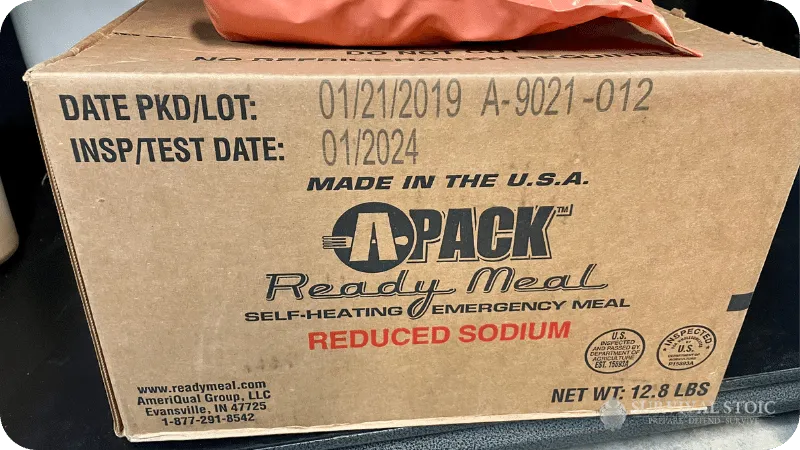
Not every emergency leaves you with the time, energy, fuel, or clean water needed to cook from scratch.
This is one of the biggest weaknesses in many survival food plans. People build pantries entirely around raw staples, assuming they’ll always be able to boil water, wash dishes, and spend an hour preparing meals.
Real-world disruptions are often messier than that.
Sometimes people are:
- exhausted
- sick
- stressed
- dealing with property damage
- caring for children
- rationing fuel
- unable to cook normally
That’s where ready-to-eat foods become incredibly valuable.
These foods may not be the most space-efficient or cost-effective calories, but convenience has survival value, too. Some people also supplement grocery-store foods with MREs (Meals Ready to Eat) for situations where cooking or cleanup may be difficult.
Canned Soup

Canned soup is one of the easiest emergency foods to keep on hand because it requires almost no effort.
Many soups can be:
- eaten cold if necessary
- heated quickly
- paired with crackers or bread
- stretched with rice or pasta
Soup also provides something many emergency foods lack:
- warmth
- comfort
- hydration
- familiarity
Chunkier soups and stews generally provide better calorie and protein value than broth-heavy options.
Canned Chili
Canned chili is one of the most efficient ready-to-eat emergency foods available at most grocery stores.
Compared to many canned foods, it offers:
- substantial calories
- protein
- fats
- flavor
- satiety
It can also function as:
- a standalone meal
- a topping for rice or potatoes
- a filling for tortillas
- a quick high-calorie dinner
During stressful situations, hearty foods often become far more psychologically satisfying than lighter meals.
Crackers
Crackers are one of the simplest ways to make canned foods feel more like complete meals.
They:
- store reasonably well
- require no preparation
- pair with almost everything
- provide quick calories
They also help reduce “menu fatigue” by adding texture and crunch to otherwise soft pantry foods.
Whole-grain crackers generally provide better nutrition, though they may have slightly shorter shelf lives due to higher oil content. Look for flavored crackers, too, like peanut butter crackers.
Granola Bars and Energy Bars

Portable snack foods become surprisingly important during emergencies. These same foods also work well in vehicle kits and evacuation setups. Here’s our full guide to the best bug out bag food for mobile emergencies.
Sometimes people are:
- cleaning debris
- driving long distances
- dealing with evacuation
- working outside
- skipping normal meals
Granola bars and energy bars provide:
- quick calories
- portability
- convenience
- easy portioning
They are especially useful for:
- children
- vehicle kits
- bug-out bags
- short-term disruptions
That said, many bars are heavily sugar-based. They work best as supplements to a larger pantry rather than primary food sources.
Canned Ravioli and Pasta Meals
Shelf-stable pasta meals are rarely considered “serious” preparedness foods, but they solve several practical problems extremely well.
They are:
- fully cooked
- familiar
- calorie dense
- easy for children
- simple to heat
- edible straight from the can
This matters more than many preparedness guides admit.
A pantry built entirely around hyper-efficient staples often becomes psychologically exhausting. Familiar convenience foods help maintain normalcy during stressful periods.
Instant Foods
Instant foods sit in an interesting middle ground between fully ready-to-eat foods and raw staples.
Examples include:
- instant oatmeal
- ramen
- instant rice
- cup noodles
- instant mashed potatoes
- boxed macaroni
These foods:
- cook quickly
- use less fuel
- require less effort
- provide comfort-food value
They are not ideal as an entire preparedness strategy, but they dramatically improve pantry flexibility.
Some of these are better ingredients than meals. Ramen may be cheap and cost-effective, but it works best when added to other things or used as a base.
Don’t Underestimate Convenience

Preparedness communities sometimes dismiss convenience foods as wasteful or nutritionally inferior.
But emergencies are not normal life.
The ability to feed people quickly with minimal effort becomes extremely valuable when:
- utilities fail
- stress levels rise
- routines collapse
- energy is limited
A strong emergency pantry should include both:
- efficient long-term staples
- and foods that make difficult days easier to manage
The goal is not culinary perfection. The goal is to keep people fed, functional, and emotionally steady when life becomes unpredictable.
The Foods Most People Forget to Stockpile

Most emergency pantry discussions focus heavily on calories and protein. People buy rice, beans, pasta, canned meat, and oats, then realize later they forgot many of the small supporting ingredients that make those foods actually enjoyable to eat.
These “secondary” foods rarely look important during shopping trips, but they often become some of the most valuable items in a functioning pantry.
In many cases, these foods act as force multipliers. A small amount can dramatically improve:
- flavor
- morale
- meal variety
- appetite
- comfort
- cooking flexibility
A pantry full of staple foods keeps people alive. A pantry with these supporting ingredients feels far more livable.
Salt
Salt is one of the most important pantry staples to store deeply.
Beyond flavor, it is useful for:
- food preservation
- baking
- electrolyte balance
- cooking
- fermentation
Many emergency foods become difficult to tolerate without adequate seasoning. Rice, beans, oats, potatoes, and canned foods all improve dramatically with even basic salt and seasoning.
Fortunately, salt is:
- inexpensive
- compact
- effectively indefinite in shelf life
It is one of the highest-value preparedness purchases available.
Cooking Oil
Cooking oil is one of the easiest ways to increase calories, flavor, and satiety in a pantry.
Low-fat emergency meals often leave people hungry and unsatisfied.
Oil also plays a major role in:
- baking
- frying
- meal variety
- calorie density
Prioritize highly stable fats like coconut oil or olive oil over delicate vegetable oils, and always put your newest bottle in the back of the pantry to enforce natural rotation.
The downside is shelf life. Oils can eventually go rancid, especially in warm environments, so rotation matters.
Standard cooking oils can get heavy and monotone, and normal butter spoils instantly without a fridge. Head over to the international or Indian food aisle and grab jars of Ghee. Because it is pure fat, it is completely shelf-stable at room temperature for up to a year or more.
Spices and Seasonings
Spices are incredibly space-efficient morale boosters.
A pantry built entirely around plain rice, beans, and pasta becomes psychologically exhausting surprisingly quickly. Basic seasonings help create variety even when ingredients remain simple.
Don’t just buy plain staples; buy the heavy hitters of flavor shelf-stability. Jarred basil pesto (packed in oil, high-calorie, intense flavor), Sriracha, and soy sauce last a very long time on a dark shelf. A single tablespoon of pesto turns plain, water-intensive pasta into a high-morale Italian meal.
Useful pantry seasonings include:
- garlic powder
- onion powder
- chili powder
- Italian seasoning
- curry powder
- cumin
- paprika
- cinnamon
- black pepper
Even a small spice collection dramatically expands meal possibilities.
Buy sauces too! Things like:
- Ketchup
- Hot sauce
- Soy sauce
- Mustard
can help improve morale massively!
Grab a handful of those little squeeze bulbs of lemon and lime juice from the baking or produce aisle. They are cheap, shelf-stable, and a tiny splash of acid instantly cuts through the dull, heavy layer of fat and salt found in canned meats and stews. It tricks your brain into thinking a meal is “fresh.”
Bouillon and Soup Base
Bouillon cubes and soup bases are some of the most underrated pantry items available.
They:
- improve bland staples
- create quick soups
- add flavor cheaply
- stretch meals further
- increase warmth and comfort
Bouillon also helps transform random pantry ingredients into meals that feel intentional instead of improvised.
For example:
- rice + canned chicken + bouillon
- noodles + canned vegetables + bouillon
- lentils + spices + bouillon
all become much more satisfying with minimal effort.
If space is tight, skip the giant cans of whole crushed tomatoes and stockpile the tiny 6-ounce cans of tomato paste. Tomato paste is highly concentrated in flavor and can be thinned out with water and a bit of bouillon to make pasta sauce or soup base, saving you massive amounts of physical shelf space.
Coffee and Tea
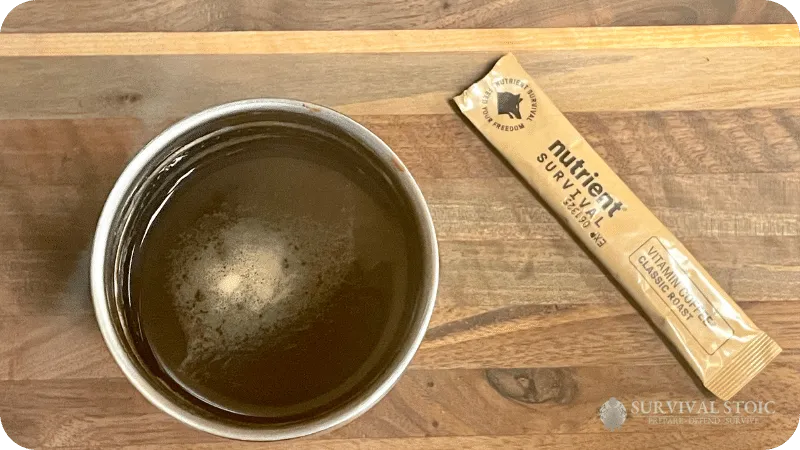
Many preparedness guides treat coffee as an optional luxury. In reality, it can become one of the most psychologically valuable pantry items during stressful situations.
For regular coffee drinkers, sudden caffeine withdrawal during an emergency is miserable.
Coffee and tea also provide:
- comfort
- routine
- warmth
- morale
- stress relief
That may sound minor until daily life becomes unstable.
Instant coffee stores especially well and requires minimal equipment.
Drink Mixes

Drinking plain water for extended periods becomes surprisingly monotonous.
Drink mixes:
- improve morale
- encourage hydration
- help children drink more water
- add flavor variety
Electrolyte powders can also become useful during:
- heat waves
- illness
- physically demanding situations
These are not core survival foods, but they significantly improve the quality of life inside a functioning pantry. Drink mixes are particularly important for children and hotter climates where drinking more water needs to be encouraged.
Sugar and Honey
Sugar is not nutritionally perfect, but it remains highly practical in emergency food storage.
It provides:
- calories
- baking utility
- flavor
- preservation capability
- comfort-food value
Honey deserves special mention because it stores extremely well and works in:
- baking
- tea
- oatmeal
- sauces
- home remedies
Both help transform otherwise repetitive pantry meals into something far easier to eat consistently.
Comfort Foods Matter More Than Most People Admit
Many emergency food plans are designed around efficiency alone. But people under stress crave familiarity and normalcy. A small amount of:
- chocolate
- pancake mix
- hot cocoa
- hard candy
- favorite snacks
can dramatically improve morale during difficult situations.
These foods are not nutritionally essential. Psychologically, however, they are often far more important than preparedness guides admit.
Build Meals, Not Just Stockpiles

One of the fastest ways to build a frustrating emergency pantry is to focus entirely on individual ingredients instead of complete meals.
A stockpile can look impressive on paper:
- 50 pounds of rice
- buckets of beans
- stacks of canned vegetables
- bags of flour
But once you actually start cooking from it, problems appear quickly. People realize they have:
- calories but no flavor
- ingredients but no simple meals
- carbohydrates but very little fat
- foods that technically work but become exhausting to eat repeatedly
This is why experienced preppers often think in terms of meal systems rather than isolated foods.
Every Pantry Food Should Connect to Other Foods
Strong emergency pantries are built around overlapping ingredients.
For example:
- rice pairs with canned chicken, beans, chili, and canned vegetables
- oats pair with powdered milk, cinnamon, raisins, and honey
- flour pairs with oil, baking powder, powdered milk, and sugar
- pasta pairs with canned tomatoes, canned meat, cream soups, and spices
The more interconnected your pantry becomes, the easier it is to:
- reduce boredom
- adapt to shortages
- rotate foods naturally
- stretch ingredients further
A pantry with flexible ingredients is far more resilient than one built around highly specific meals.
Simple Pantry Meals Matter Most
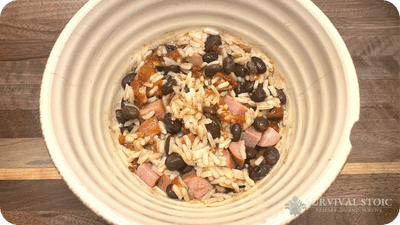
In a real emergency, people rarely want complicated recipes. Meals that work best are usually:
- simple
- repetitive
- filling
- familiar
- easy to cook
Examples include:
Rice-Based Meals
- rice + canned chicken + cream soup
- rice + black beans + salsa
- rice + spam + soy sauce
- rice + lentils + curry seasoning
Pasta Meals
- pasta + canned tomatoes + canned beef
- macaroni + powdered cheese + canned tuna
- noodles + bouillon + canned vegetables
Oatmeal Variations
- oats + powdered milk + raisins
- oats + peanut butter + honey
- savory oats + canned meat + spices
Potato-Based Meals
- instant potatoes + canned chili
- potatoes + canned beef + gravy
- potato soup with powdered milk and bouillon
None of these meals are glamorous. That’s the point. A practical emergency pantry should support realistic cooking under stress, not idealized survival scenarios.
Don’t Ignore “Meal Fatigue”

Many emergency food plans unintentionally create psychological exhaustion. Eating the same:
- textures
- flavors
- colors
- meal structures
over and over wears people down surprisingly quickly.
This becomes especially important for:
- children
- stressful situations
- longer disruptions
A pantry built entirely around plain staples often looks efficient, but becomes emotionally draining after several days.
Small changes matter:
- crunchy foods
- spicy foods
- sweet foods
- warm foods
- comfort foods
Variety helps people continue eating enough calories and maintaining morale.
Ready-to-Eat Foods Should Support Your Staples
One mistake people make is separating:
- “survival foods”
from - “normal foods”
In reality, the strongest pantries combine both.
For example:
- canned chili stretches rice further
- soup makes dry crackers more satisfying
- peanut butter turns plain oatmeal into a higher-calorie meal
- bouillon transforms random leftovers into soup
This layering effect is where grocery-store stockpiles become much more practical than simple “survival food lists.”
Think Like a Functional Kitchen
The best emergency pantry is not the one with the most buckets or the longest shelf life.
It’s the one that can continue producing:
- simple meals
- familiar flavors
- adequate calories
- emotional comfort
even when life becomes difficult.
Preparedness works best when it supports normal life instead of trying to replace it completely.
What I’d Buy First with $100
If you have a clean slate and a single crisp hundred-dollar bill, do not buy a pre-made emergency bucket. Go to a standard grocery store and buy this exact balance of staples, proteins, and morale boosters:
- Staples ($25): 20 lbs White Rice, 10 lbs Rolled Oats, 5 lbs Pasta.
- Proteins ($35): 6 cans of Canned Chicken, 4 cans of Tuna, 2 large jars of Peanut Butter, 4 lbs of Lentils (faster to cook than beans).
- Ready-to-Eat ($20): 4 cans of Chunky Beef Stew, 4 cans of Canned Chili, 2 boxes of Saltine Crackers.
- Pantry Essentials & Comfort ($20): 1 large tub of Iodized Salt, 1 bottle of Vegetable Oil, a jar of Bouillon cubes, and a small jar of Instant Coffee.
This cart provides roughly 50,000 to 60,000 calories. More importantly, it gives you a functioning, flexible kitchen system, not just a pile of grain.
The goal is to create breathing room. If you want a more structured approach, our 30-day emergency food supply list walks through how to gradually build a deeper pantry over time.
Start Small and Build Gradually
Preparedness works best as a slow process. Once you have the basics covered, many households eventually expand toward a 3-month food supply to better absorb longer disruptions and shortages.
Most strong emergency pantries are not built in a single shopping trip. They grow gradually through:
- extra bags of rice
- additional canned goods
- deeper pantry shelves
- smarter rotation habits
over months and years.
That approach is usually:
- cheaper
- less stressful
- more sustainable
- easier to maintain
The best pantry is not the biggest one. It’s the one you can realistically build, rotate, and rely on when life becomes unpredictable.
Common Grocery Store Stockpiling Mistakes
Most emergency pantry mistakes come from focusing too heavily on maximizing shelf life with the cheapest calories available. Real-world preparedness is usually messier than that!
The strongest grocery-store stockpiles balance:
- practicality
- convenience
- nutrition
- morale
- flexibility
- realistic cooking conditions
Here are some of the most common mistakes people make when building an emergency pantry.
1. Buying Food Nobody Actually Eats
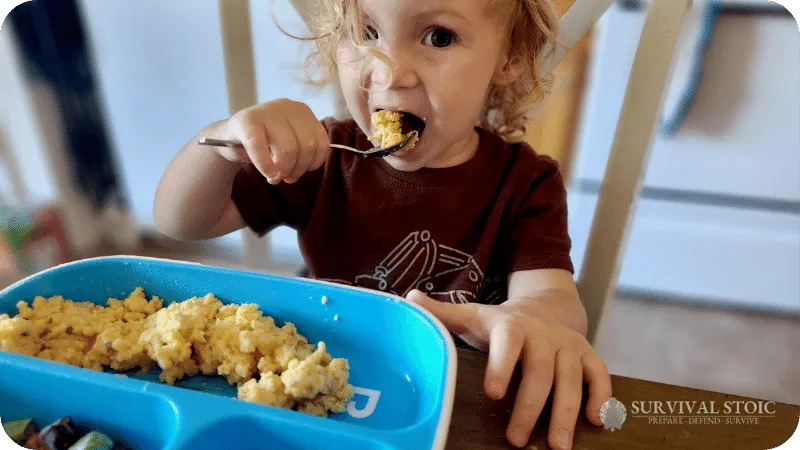
This is probably the most common mistake. People often buy bulk grains, canned foods, or specialized ‘survival foods’ that their household never normally eats.
Then the food sits untouched for years until it eventually gets donated or thrown away. If your family doesn’t eat lentils, don’t buy lentils!
A much better strategy is to deepen your supply of foods your family already understands and enjoys.
Preparedness becomes dramatically easier when:
- rotation feels natural
- meals stay familiar
- children recognize the food
- nobody has to completely change how they eat
2. Over-Relying on Dry Staples

Rice, beans, flour, and pasta are excellent preparedness foods. But some people build pantries almost entirely around these staples while ignoring the realities of cooking during disruptions.
Dry staples often require:
- water
- fuel
- cookware
- cleanup
- preparation time
This becomes much harder during power outages, evacuations, fuel shortages, and stressful situations. A balanced prepper pantry should include both long-term staples and ready-to-eat convenience foods.
3. Ignoring Fats
Many beginner pantries accidentally become extremely low-fat, mostly because fat can be harder to store. This creates two problems. Meals become less filling, and calorie intake drops quickly.
Fats are one of the easiest ways to increase flavor and caloric density.
Foods like:
- peanut butter
- cooking oil
- canned meats
- coconut milk
play a much larger role in preparedness than many people realize.
The tradeoff is that fats go rancid faster than dry grains. If you are stockpiling cooking oils, peanut butter, or canned meats, this is the layer of your pantry where strict first-in, first-out rotation matters most.
4. Building a Pantry With No Real Meals
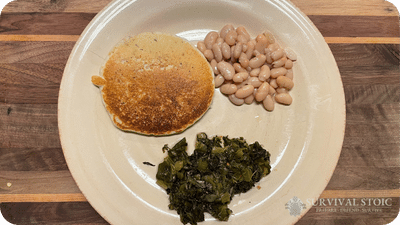
A pantry full of random ingredients is not the same thing as a functional food system.
Some stockpiles look impressive but struggle to produce actual meals without fresh ingredients and complicated cooking. That’s why thinking about how you’ll actually cook the food is so important.
A strong pantry will include ingredients for every meal you know how to prepare, along with a few backup options in case conditions aren’t perfect.
5. Forgetting About Meal Fatigue
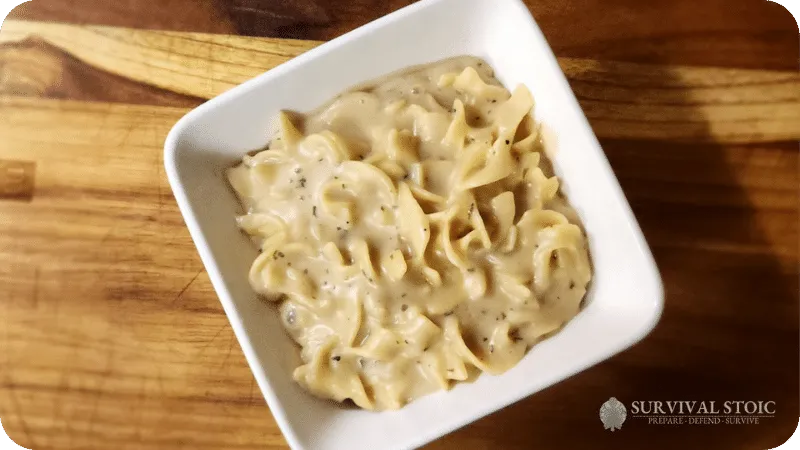
Yes, it’s easy to plan to eat the same things over and over again. However, this often doesn’t work in actuality. Food boredom is real.
People often become pickier in stressful situations, not less.
After several days of repetitive meals, morale drops, and appetite decreases. This becomes especially true for children.
Even small amounts of:
- spices
- sauces
- drink mixes
- crunchy foods
- sweet foods
can dramatically improve how sustainable a pantry feels during a stressful period.
6. Storing Too Much Too Quickly
Preparedness enthusiasm sometimes leads people to panic-buy huge amounts of food all at once.
That often creates:
- wasted money
- storage problems
- poor rotation
- duplicate purchases
- foods expiring unnoticed
A slower approach usually works better. Building a pantry gradually gives you time to:
- test foods
- learn storage systems
- identify weak spots
- improve organization
- adjust to your family’s preferences
Preparedness is usually more effective when treated as a long-term habit instead of a one-time shopping spree.
Many beginners accidentally waste money by buying too much too quickly or storing food improperly. Our guide on emergency food storage mistakes covers the most common problems in detail.
7. Treating Preparedness Like Fantasy Instead of Logistics

Most emergencies are not movie scenarios.
They are:
- winter storms
- temporary unemployment
- regional shortages
- severe weather
- illness
- infrastructure problems
- unexpected expenses
A strong pantry is less about “surviving the apocalypse” and more about absorbing disruptions without immediately entering crisis mode.
That mindset shift changes everything.
The best grocery-store stockpiles are not built around fear. They are built around resilience, flexibility, and the simple reality that modern systems do not always work perfectly.
Final Thoughts
The best foods to stockpile from the grocery store are usually not the most extreme, expensive, or tactical options. They’re the foods that help your household stay functional when normal life becomes less predictable.
A strong emergency pantry is not built around fear. It’s built around stability.
That means focusing on foods that:
- store reasonably well
- fit naturally into everyday life
- create real meals
- provide comfort as well as calories
- remain practical during stressful situations
For most families, preparedness does not start with freeze-dried buckets or a bunker full of survival rations. It starts with a slightly deeper pantry, a few extra weeks of food, and a better understanding of what actually works in the real world.

The most resilient grocery-store stockpiles usually combine:
- staple carbohydrates
- practical proteins
- ready-to-eat foods
- cooking essentials
- morale foods
into a pantry that feels like an extension of a normal kitchen rather than a separate “survival system.”
Most importantly, remember that preparedness is not an all-or-nothing project.
You do not need a year of food tomorrow.
You do not need a perfect pantry.
You do not need to panic-buy hundreds of pounds of rice.
Small, consistent improvements matter far more than dramatic purchases.
One extra bag of oats.
A few more canned meals.
An additional shelf of pantry staples.
A deeper reserve of foods your family already uses.
Over time, those small decisions create something far more valuable than a stockpile: resilience.
For a broader breakdown of freeze-dried foods, canned goods, emergency kits, powdered ingredients, and long-term pantry planning, start with our complete guide to the best survival foods for preparedness.
