
Finding the best bushcraft tools and gear can make the difference between simply surviving in the woods and truly enjoying the experience. The right equipment keeps you safe and prepared for unexpected challenges.
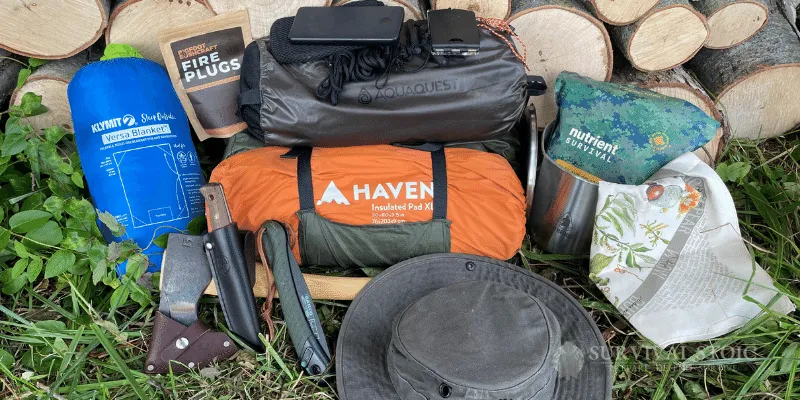
After more than 40 years of camping and practicing bushcraft, I’ve tested countless items and spoken with many seasoned outdoorsmen and survivalists. Some tools are absolute bushcraft essentials, while others just make life in camp a little easier, but all of them earn their place on this list.
In this guide, you’ll discover my top picks for knives, axes, saws, fire starters, and more. I’ve also linked to deeper resources if you want to explore topics like purifying water without fire or choosing the easiest foods to pack for camp.
1. Best Bushcraft Knife
If I could just recommnd one piece of bushcraft gear, it would be a knife. You can argue about saws, axes, or even shelters all day, but when push comes to shove, a knife is the one tool that’ll keep you alive and keep you sane.
And if you want my top pick?
It’s the Condor Tool & Knife Bushlore Camp Knife. I’ve carried mine on more camping trips than I can count, and it’s never let me down. Whether I’m carving tent stakes or splitting firewood, this thing just works.
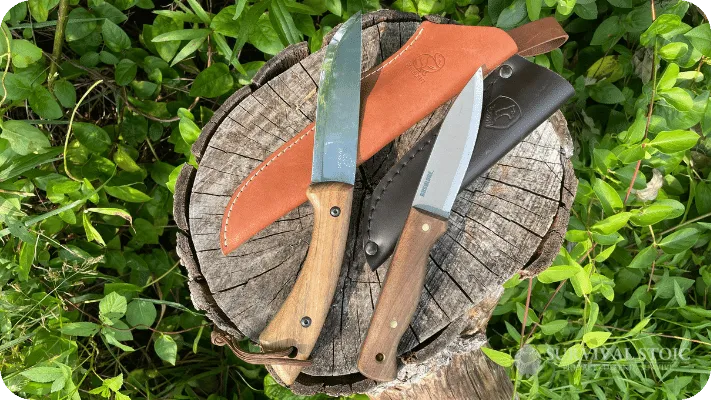
Why a Bushcraft Knife Maters
A bushcraft knife is basically a multi-tool in the woods. It:
- Carves, cuts, and slices like a champ.
- Starts fires when paired with a ferro rod.
- Preps food without making you question your life choices.
- Doubles as an emergency first-aid tool (ask me about the time I had to cut duct tape with mine when my buddy sprained an ankle).
How to Choose a Bushcraft Knife
Don’t overthink it. Look for:
- Blade Steel: Carbon steel sharpens easier; stainless resists rust. Pick your poison.
- Grind: Scandi is king for bushcraft. If you don’t know what that means, just trust me. It makes feather sticks practically fall off the wood.
- Tang: Full tang or bust. Half-tang knives snap when you baton wood, and then you’re stuck with a very expensive letter opener.
- Size: Sweet spot is 4–6 inches. Too short = useless. Too long = machete cosplay.
For a full explanation, see our buying guide and review in my best budget bushcraft knife guide.
Our Picks


2. Best Bushcraft Axe and Hatchet
If knives are the kings of bushcraft, axes are the blunt-force generals. You can split logs, shape shelter poles, and (if it comes to it) take down a tree. And while I don’t recommend cosplaying as Paul Bunyan, there are times when an axe is flat-out the right tool for the job.
My go-to?
The Warwood Tool Perfect Axe. I’ve used it enough to know that it’s one of those rare tools that feels right in your hands the first swing. Big enough to handle real work, small enough that it doesn’t feel like dragging around a medieval weapon.

Why an Axe (Or Hatchet) Matters
You can use an axe for more than just cutting firewood, such as:
- Shelter poles (unless you’re bringing your whole house with you).
- Firewood, lots of it.
- Carving and shaping bigger camp gear.
- Emergency situations where a knife just won’t cut it (literally).
How to Choose the Right Size
Here’s where people get it wrong:
- Design: A thinner edge bites into wood cleaner, while a fatter edge is better for splitting.
- Handle Length: Long enough to swing, short enough not to trip over. A pack axe usually hits the sweet spot.
- Head Weight: Too heavy = exhausting. Too light = glorified paperweight.
For a full guide on what to look for, see our Best Bushcraft Axe and Hatchet article.
Pro tip: In some U.S. areas, chopping live trees is a no-go. In those cases, skip the axe and just pack a saw. Times when you don’t need an axe?
- Short trip
- Using a tent/tarp for shelter
- No campfire allowed
- You’re cooking on a stove
- There’s plenty of deadfall around
Our Picks
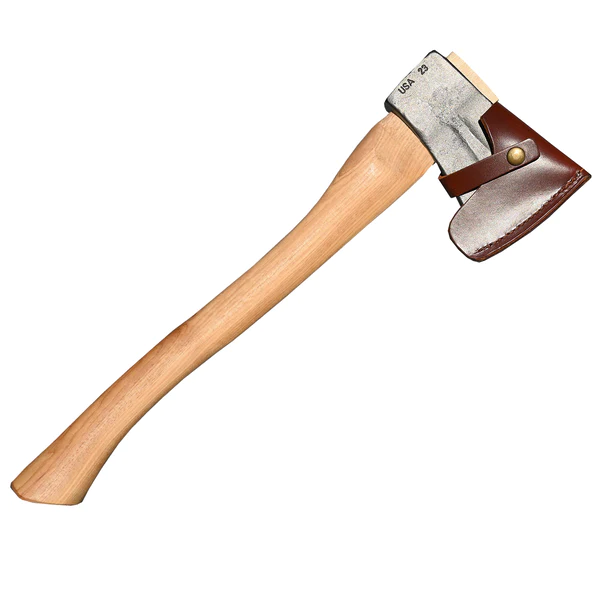


Council Tool Hudson Bay Belt Hatchet
5160 Steel Head
Wide Edge Design
Metal Handle Wedge
Price: $$
3. Best Bushcraft Saw
If you’ve ever tried chopping firewood with just a knife, you know it’s a quick way to hate your life. That’s where a saw comes in. It breaks down wood faster than an axe and uses less energy.
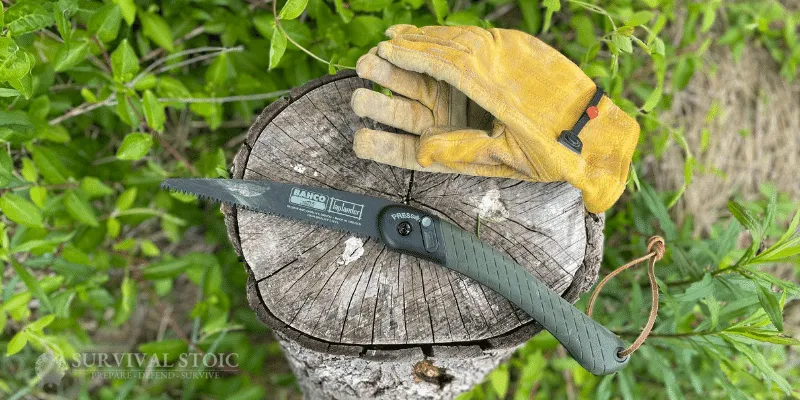
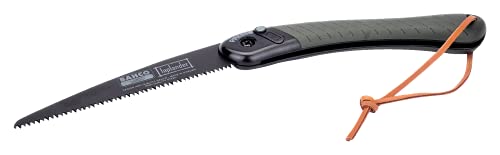
My top pick is the Bahco Laplander Folding Saw. It’s compact, locks into place, and has lived in my pack for years. I’ve used it for camp chores and trimming branches in the backyard. Not glamorous, but it worked.
Why a Saw Matters
- Cuts cleaner and safer than swinging an axe
- Uses less energy = more stamina for the real fun (like making coffee)
- Great for notches, traps, and camp projects
- Folds or breaks down small enough to stash anywhere
How to Choose a Bushcraft Saw
- Folding vs. Bow: Folding saws are compact; bow saws eat through big logs.
- Blade Length: Longer blade = faster cuts.
- Teeth Per Inch: Fewer teeth = faster rough cuts, more teeth = smoother finish.
- Durability: Locking mechanisms matter. Trust me, a folding saw snapping on your knuckles is not a rite of passage you want.
To find out more on what to look for in selecting your saw, check out the buying guide in our best bushcraft saw article.
Our Picks

4. Best Bushcraft Backup Knife
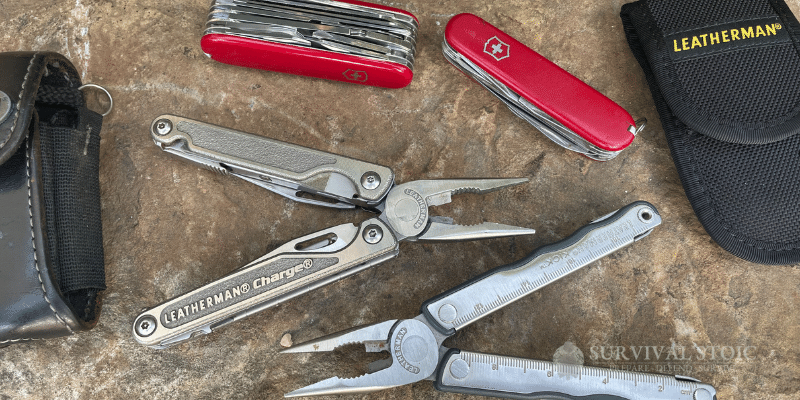
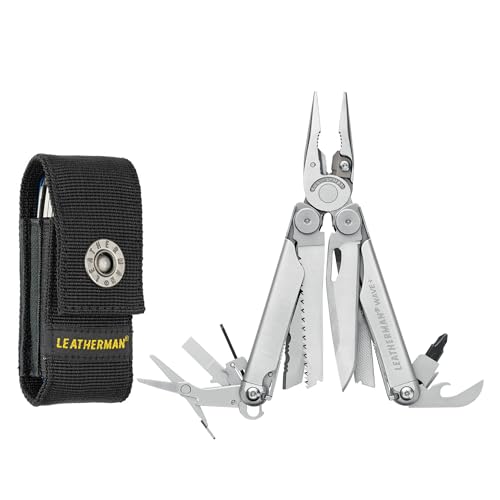
Look, your main knife is your workhorse. But a backup knife? That’s your insurance policy. Enter the world of multitools and Swiss Army knives. They’re the duct tape of your kit: not always sexy, but always useful.
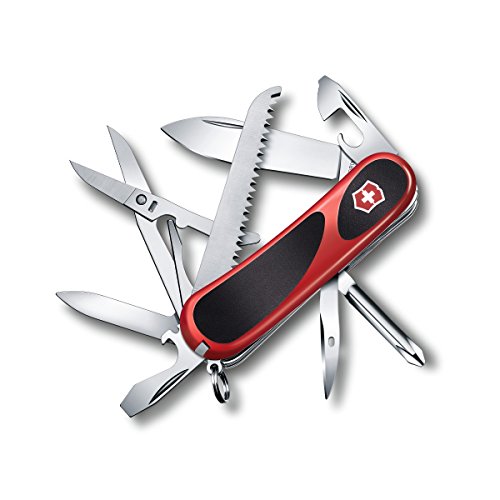
I carry both. Sometimes I reach for my plier-based Leatherman, other times my Victorinox SAK.
Which is better?
Depends on the job (and whether you like carrying a mini toolbox or a glorified nail file).
Why a Backup Knife Matters
- If you lose your main blade, you’re not sunk
- Extra saws, screwdrivers, and other doo-dads actually come in handy
- Great for fiddly camp tasks your big blade can’t handle
- Can make you look slightly more prepared than your buddy who forgot his
How to Choose a Backup Knife
- Multitool vs. SAK: Do you want pliers, or do you just need some classic blades and a corkscrew?
- Weight: Multitools are heavier; SAKs ride light in your pocket.
- Tools Included: Don’t pay for functions you’ll never use (looking at you, fish scaler).
To find out which is best for you, we have guides on both. Check out our best survival multitool guide and our best Swiss Army knife guide.
Our Picks
5. Best Bushcraft Shelter Gear
Shelter is one of those things that sounds romantic to “build from scratch”… until you’re three hours in and still trying to lash sticks together while it rains sideways. Sometimes, carrying a tarp or tent is just smarter.
Personally?
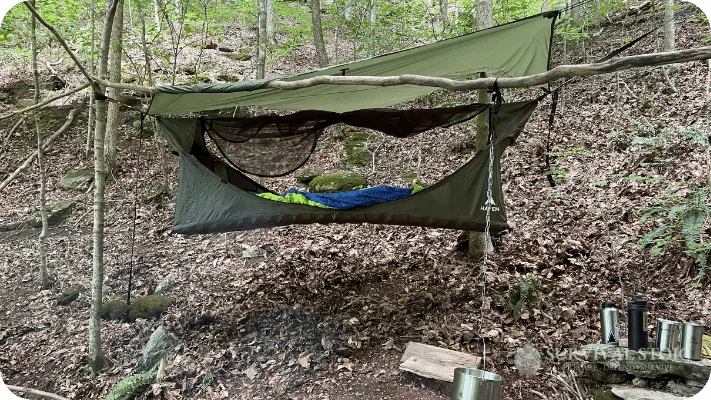
I sleep like a baby in my Haven Tent Hammock. Rocky ground, wet terrain, doesn’t matter. I’m off the ground and flat out comfortable. If you’re a cold-weather camper, though, a double-wall tent with a stove jack (like the RBM Outdoors UP-5) feels like cheating in the best possible way.
Why Shelter Gear Matters
- Keeps you dry, warm, and sane
- Saves you time and energy vs. building primitive shelters
- Flexible options for short trips vs. long hauls
- Comfort counts. Good sleep = better survival decisions
How to Choose Shelter Gear
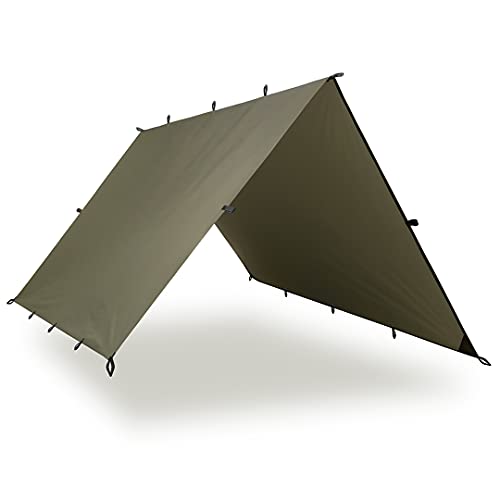
- Tarp vs. Tent: Tarps are lighter, more versatile. Tents are warmer, more private.
- Weather Conditions: Hammocks shine in wet ground areas. Tents win in freezing cold.
- Setup: Complicated gear at the end of a long hike = regret.
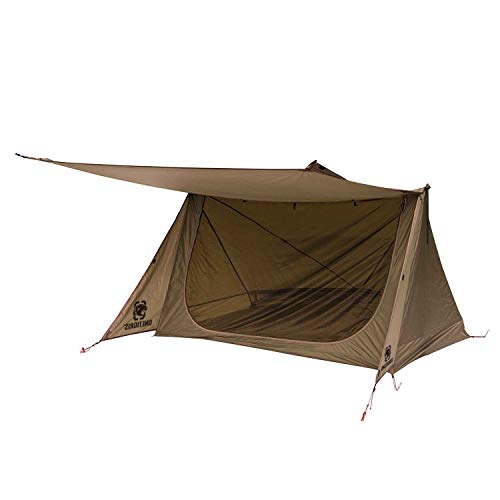
One Tigris Bushcraft Shelter 2.0
Baker Style Tent
Full Bug Net
1500mm Waterproof Rating
Price: $$
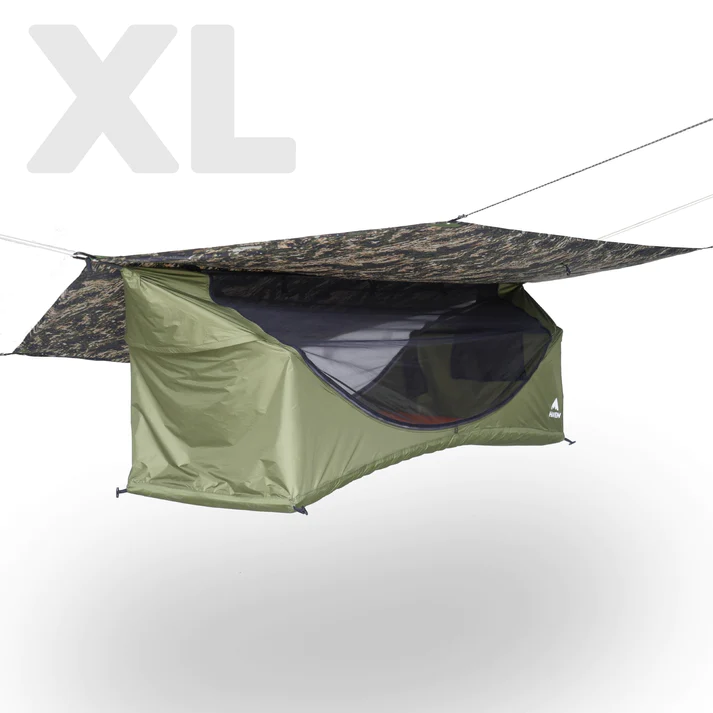
Haven Tents Hammock XL
Lay Flat Design
Includes Sleep Pad
Very Comfortable
Price: $$
Save 10% with code “survivalstoic10”

Spacious
Double Wall
Stove Jack
Price: $$$$
Save 5% at RBM Outdoors with code “survivalstoic”
6. Best Bushcraft Cordage
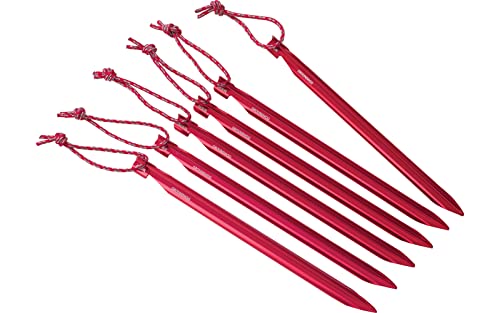
If you’ve ever tried pitching a tarp without good cordage, you know it’s a quick way to invent a new curse word. Cordage is deceptively simple but endlessly useful, from staking your shelter to hanging gear, to the occasional “I forgot a rope for this weird project” moment.
I keep 550 paracord from Paracord Planet as my go-to. No, you don’t need the overpriced “survival” nonsense, regular paracord does the job just fine. I also carry a few rolls of #12 and #36 coated bank line. The #36 is perfect for my ridgeline and lashings; the #12 tackles lighter jobs like bindings and nets.
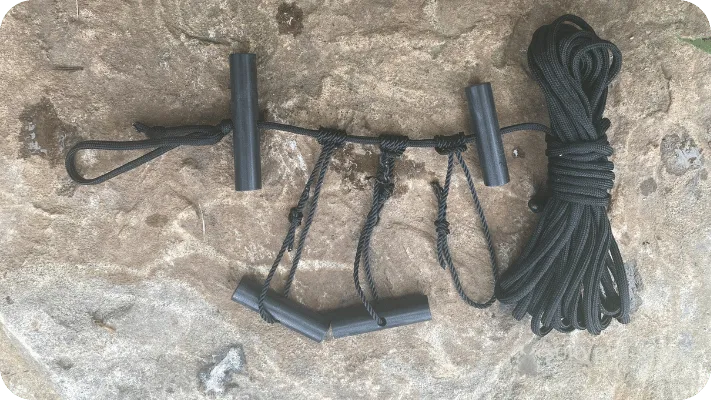
Pro tip: I made toggles on my ridgeline at home. Pitching a tarp is now literally five seconds, no knots, no drama. Not essential, but it’s the little time-savers that make a weekend in the woods enjoyable.
Why Cordage Matters
Good cordage keeps your shelter upright, your gear off the ground, and can even double as an emergency rope. Without it, you’re improvising knots in frustration, hoping that branch you just tied won’t snap in the night.
How to Choose the Best Cordage
- Strength: 550 paracord handles most tarp and gear jobs.
- Thickness: #36 bank line for ridgelines or heavy lashings; #12 for lighter tasks like bindings or nets.
- Ease of Use: Pre-made toggles or loops save you time, especially when you’re tired or wet.
- Durability: Look for weatherproof materials; nothing ruins morale faster than soggy rope.
Our Picks


7. Best Bushcraft Pot
A pot may sound boring, but cooking at camp is where your comfort and appetite meet reality. I’ve ruined more than one meal on a cheap, unevenly heated pot, and trust me, you don’t want to do that when you’re cold and miles from home.
Why a Pot Matters
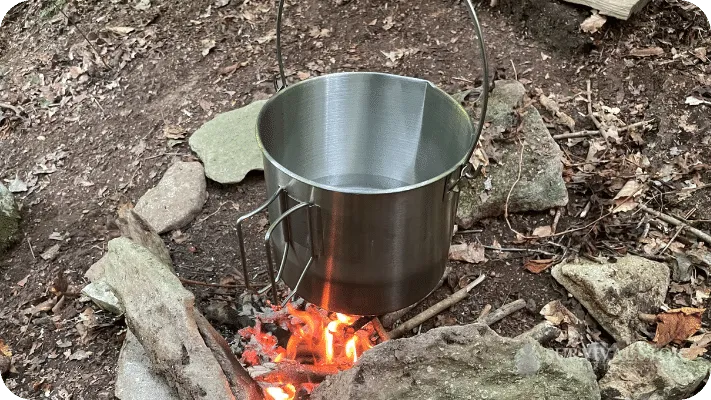
A reliable pot lets you boil water for drinking, cook meals, and even melt snow. Without it, your bushcraft weekend quickly becomes a lesson in improvisation, and not the fun kind. A good pot is about durability and heat control.
How to Choose the Best Pot
- Size: 2–4 quarts works for solo or small trips. Bigger trips = bigger pots.
- Material: Stainless steel is durable and distributes heat well; aluminum and titanium are lighter but more prone to hotspots.
- Packing: Folding handles and nesting capabilities save space.
- Durability vs Weight: If you’re rough on gear, don’t skimp. Light is nice, but a dented titanium pot won’t make dinner any easier.
Our Picks
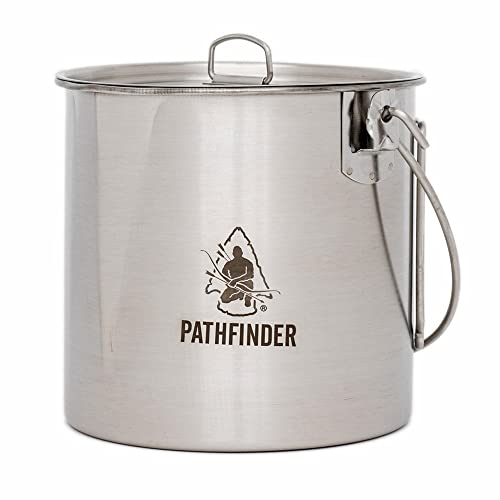
The Pathfinder School 64 oz Bush Pot
Stainless Steel
Lid with Handle
Folding Handles
Price: $
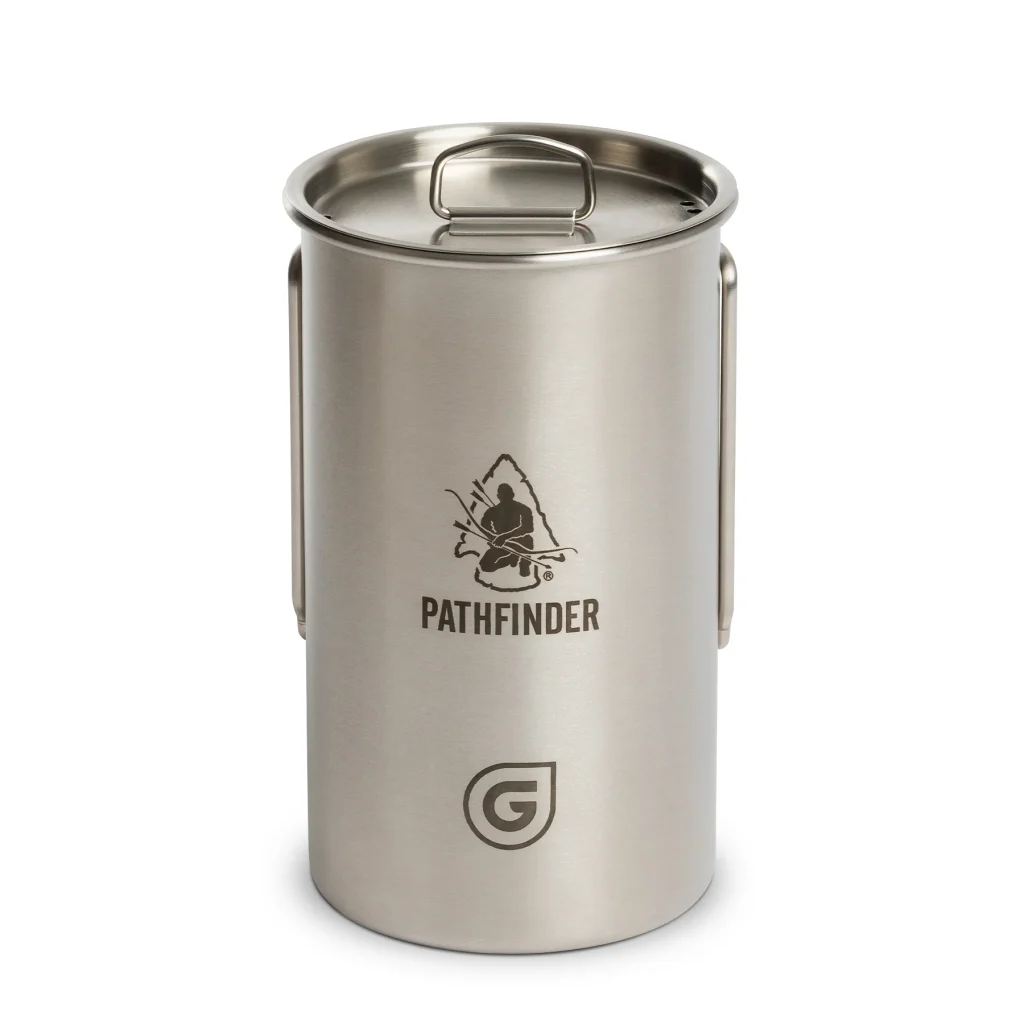
Pathfinder 30oz Geopress Nesting Cup
Stainless Steel
Nests with Grayl
Folding Handles
Price: $

The Pathfinder School 120 oz Bush Pot
Stainless Steel
Folding Handles
Lid with Handle
Price: $$
8. Best Bushcraft Stove
Fire is romantic. Fire is primal. Fire also takes time, energy, and sometimes isn’t even allowed. That’s why a stove should be considered a bushcraft essential. It just makes so many things easier. I’ve lugged around enough “ultralight” gear that weighed as much as a bowling ball, so trust me: these picks earn their spot.
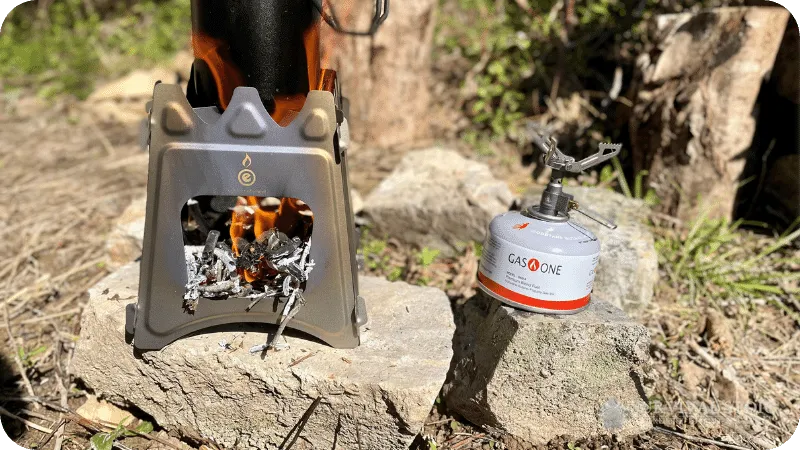
Why It Matters
A stove gives you hot food and safe water when you can’t (or don’t want to) deal with fire. It’s cleaner and lets you brew coffee in under five minutes, which, let’s be honest, is critical for morale. In areas with fire bans, it’s the only legal way to cook without risking a hefty fine or explaining yourself to a ranger.
How to Choose
- Fuel: Isobutane canisters are light and idiot-proof. Wood stoves save you from carrying fuel but require some scavenging.
- Weight: Every ounce counts when you’re hiking uphill. My cutoff is “won’t make me curse at mile three.”
- Packability: Collapsible designs are gold. If it doesn’t fit in my side pocket, it stays home.
- Ease of Use: When it’s raining and you’re starving, fumbling with finicky gear is a nightmare.
Our Picks
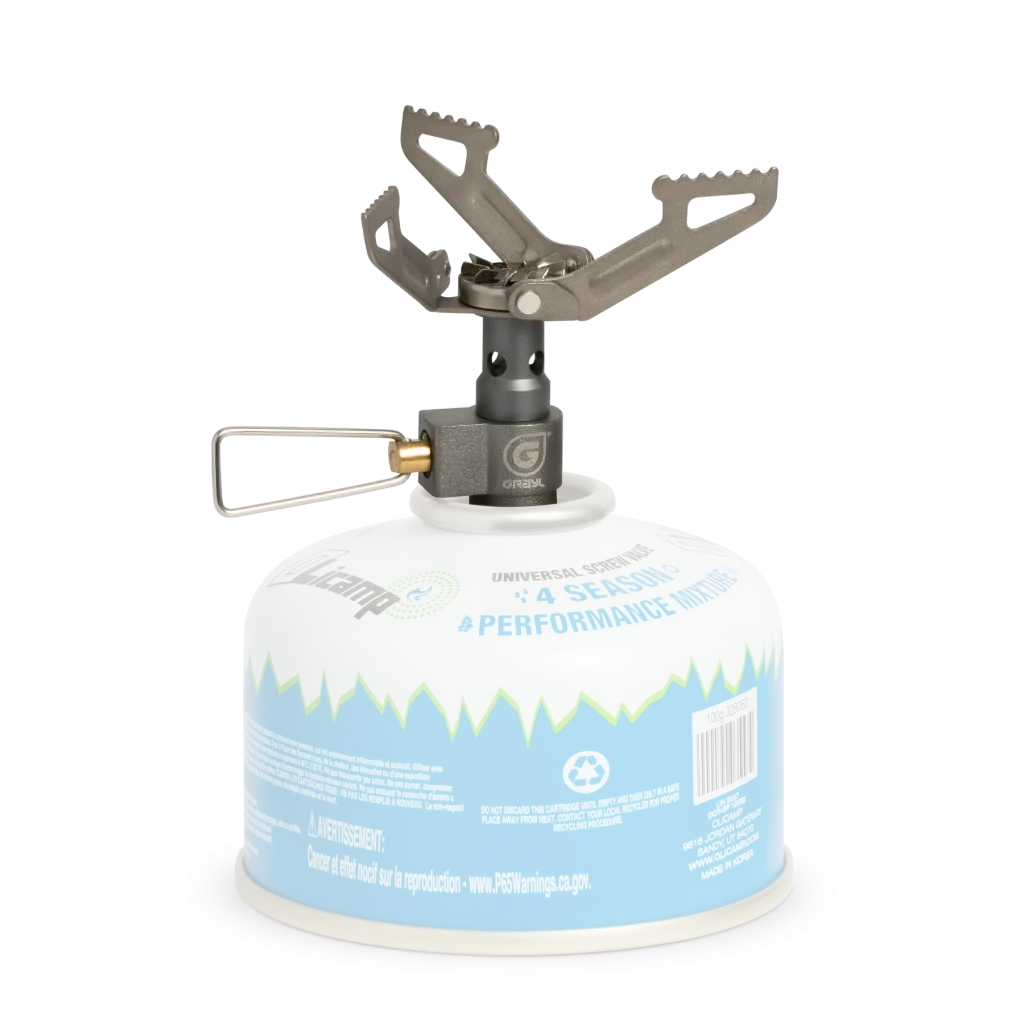
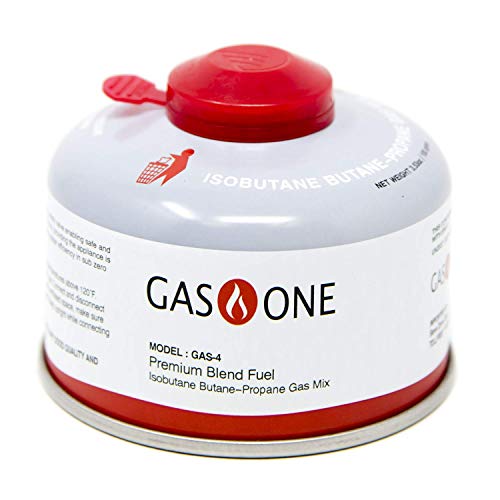
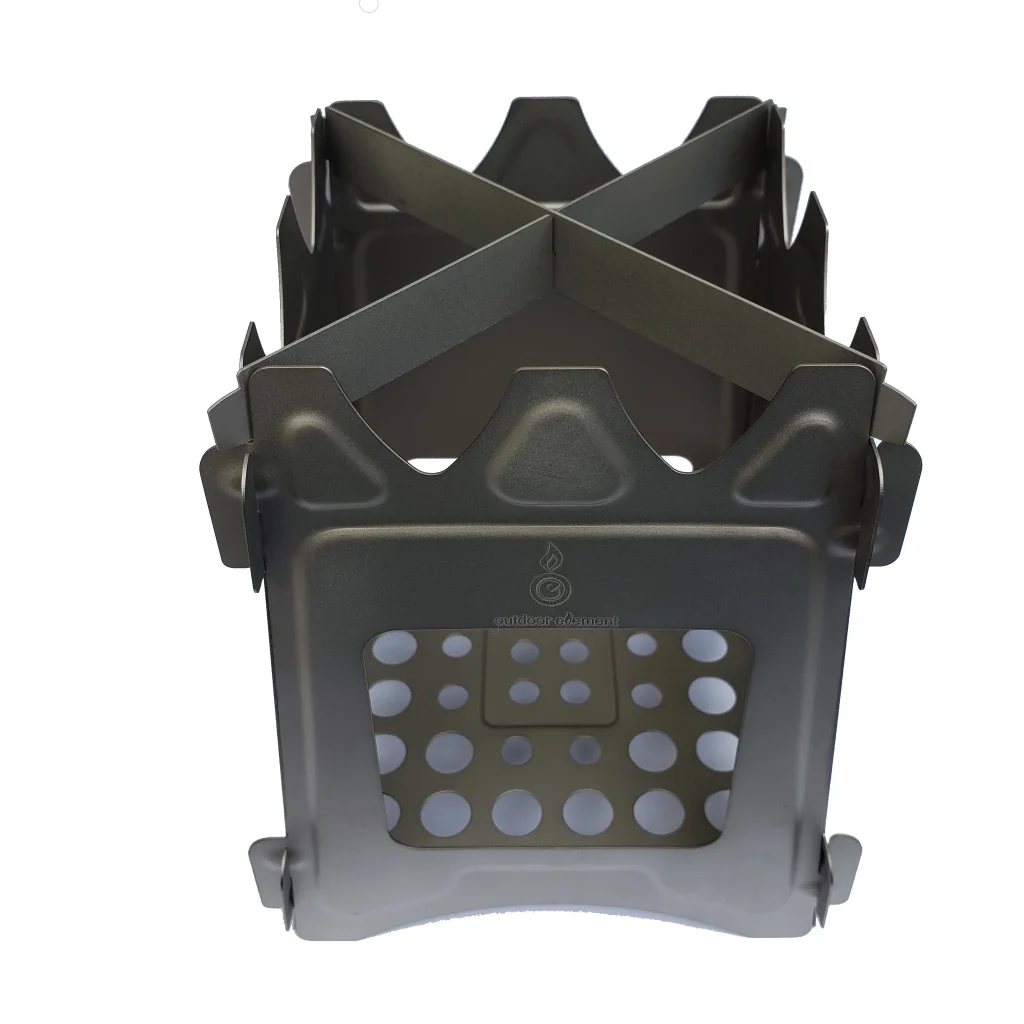
Outdoor Element Titanium Stove
Lightweight
Collapses Flat
Burns Wood/Biomass
Price: $$
Save 10% with code “survivalstoic”
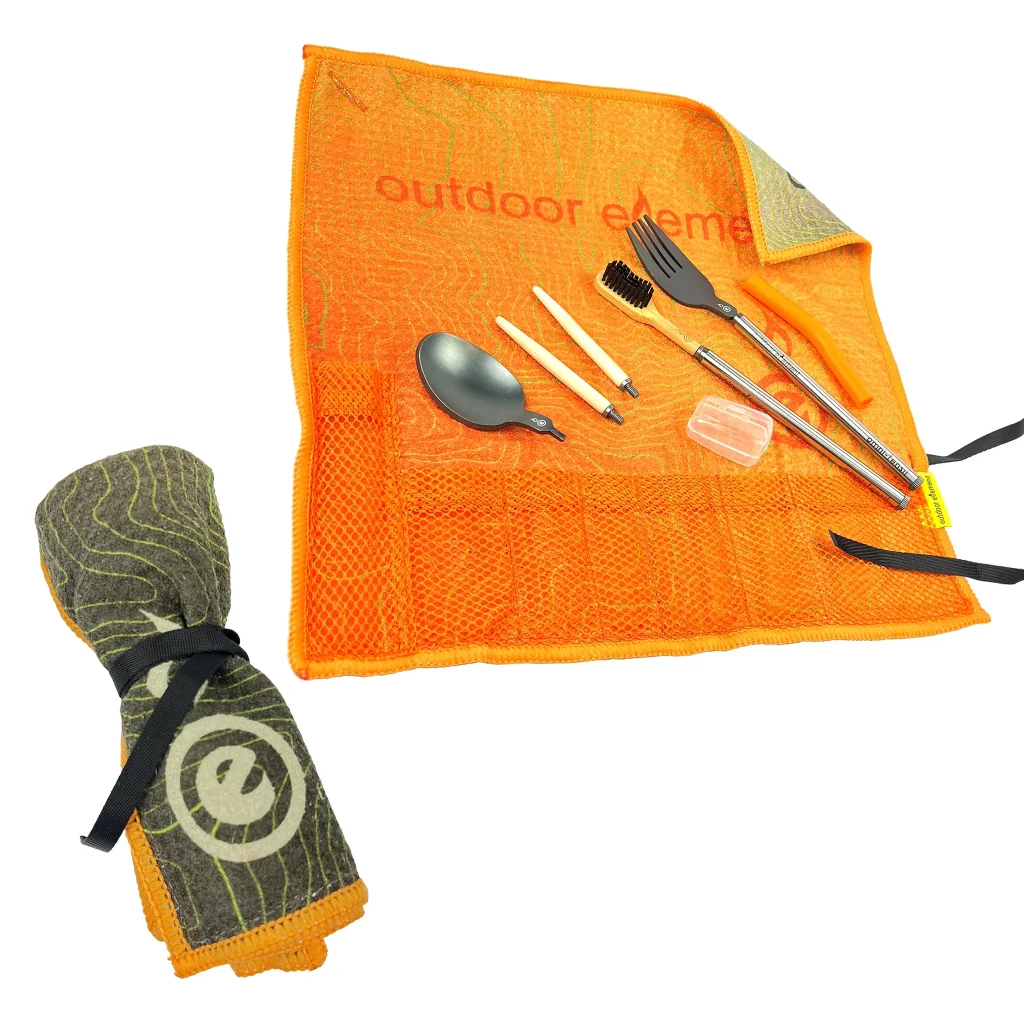
Outdoor Element Omni-Tensil
Lightweight
Roll Pouch/Cloth
Toothbrush
Price: $
Save 10% with code “survivalstoic”
9. Best Bushcraft Food
Yes, foraging is one of those bushcraft skills you should absolutley have. But, here’s the harsh truth: you’re not always going to forage like a woodland elf. Depending on where you camp, hunting and gathering might not even be legal.
So you need to pack food that won’t spoil and doesn’t taste like cardboard mixed with regret.

Why It Matters
Food isn’t just fuel. It’s morale. A hot, decent-tasting meal can turn a miserable wet trip into a tolerable one. On the flip side, bland or poorly chosen food can wreck your energy and mood. Ask me about the time I lived on nothing but stale crackers for three days.
That’s exactly why I focused so much on taste when reviewing the best bug out bag food. Trust me, it matters.

How to Choose
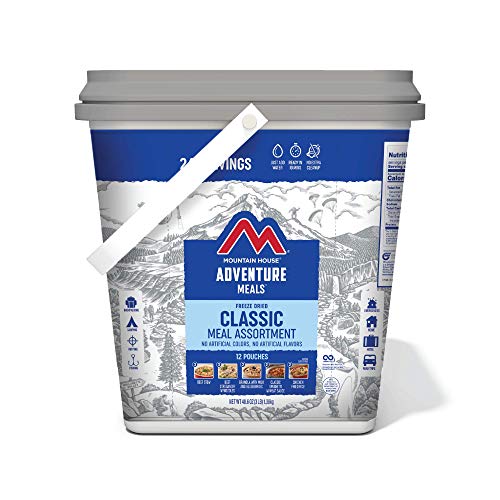
- Weight: Freeze-dried meals beat canned chili every time.
- Prep: If it needs more than hot water, forget it.
- Shelf Life: Long-lasting food doubles as an emergency stash.
- Taste: Life’s too short for bland mush. Try before you buy in bulk (or read our reviews).
My Pick
10. Best Bushcraft Clothes
Most folks think bushcraft clothing means camo everything. Wrong. The right bushcraft clothes keep you comfortable, protected, and don’t fall apart the second you crawl through some brush. I’ve tested everything from cheap “outdoor” pants to stuff built like a tank, and there’s a big difference.
For base layers, I like Thermowave Merino Wool Shirts and Bottoms. I also reviewed 1620 workwear, which provides several outerwear options.
Why It Matters
Clothing is your first line of defense against weather, bugs, and nature in general. The wrong gear means chafing or feeling like you’re wrapped in a sweat lodge. The right gear keeps you moving and surviving comfortably.
How to Choose
- Durability: If pants rip on day one, they’re junk.
- Weather Resistance: Look for water repellency and wind protection.
- Comfort: You’ll live in these. They better not feel like sandpaper.
- Layering: Thermals matter as much as outerwear in cold climates.
My Picks

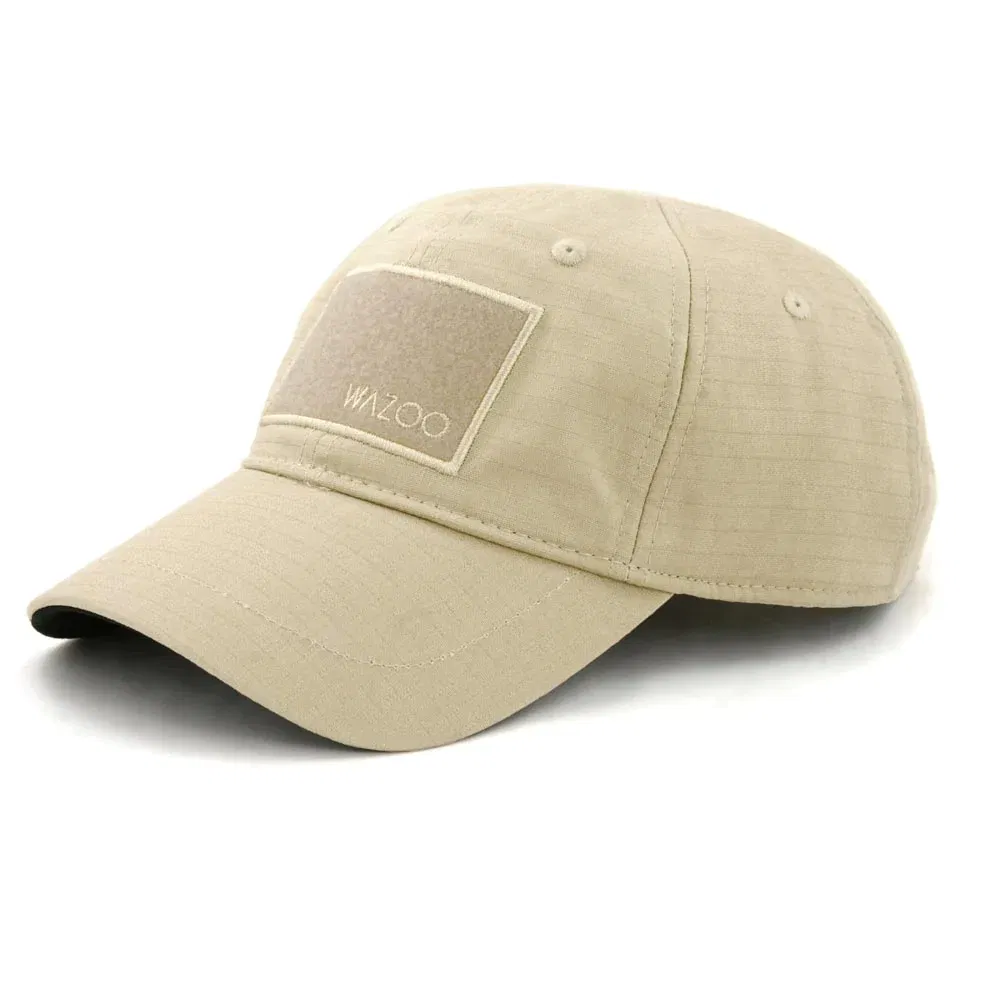

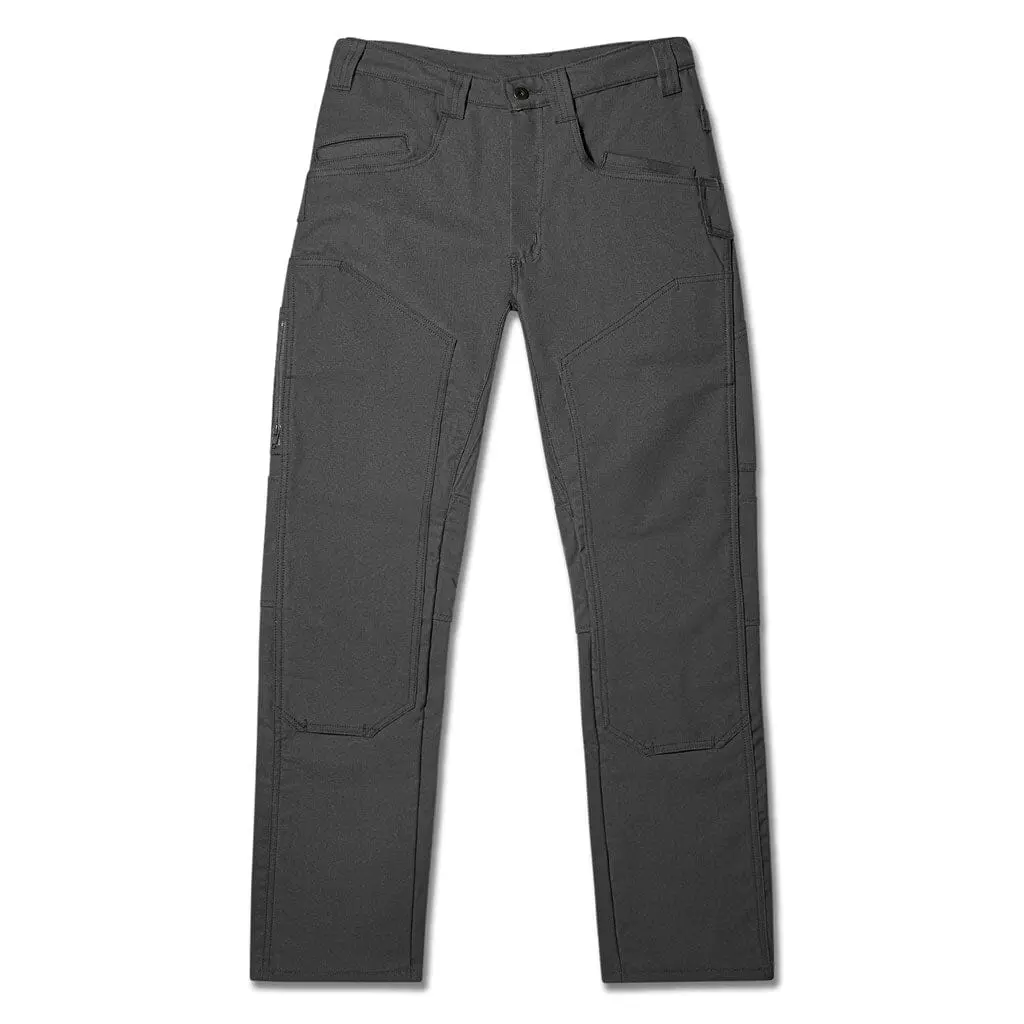
1620 Workwear Double Knee Pants
NYCO Fabric
Super Durable
Water Repellant
Price: $$$
11.Best Bushcraft Fire Starting Kit
Let’s face it: without fire, you’re basically camping in misery. Sure, rubbing sticks together looks cool on YouTube, but when it’s pouring rain and you’re shivering, you’ll wish you had a proper fire kit.
Firecraft is one of those core bushcraft skills that separates the prepared from the “I hope someone brought matches” crowd. The right kit doesn’t just get a flame going. It gets a flame going fast, even if the wood is damp and your fingers are frozen.
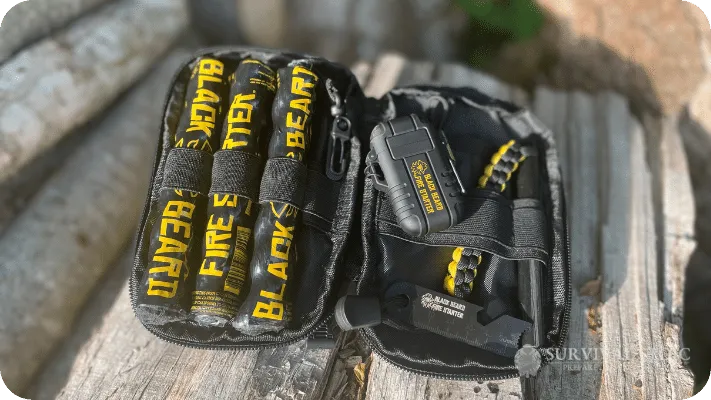
Why it matters
Fire is warmth, cooking, light, and morale all in one. No fire means no hot coffee, and let’s be honest, no hot coffee means no happiness. More importantly, fire keeps hypothermia at bay and acts as a big, glowing beacon if you need rescuing.
It’s so important that I’ve written a step-by-step guide to building your own fire-starting kit.
How to choose
A good fire kit should include a reliable spark source (ferro rod, lighter, or both) and tinder that actually burns. Waterproof options are king because Mother Nature loves raining on your plans. Size matters too: compact enough for a pocket, but not so tiny you lose it in the bottom of your pack.
My picks
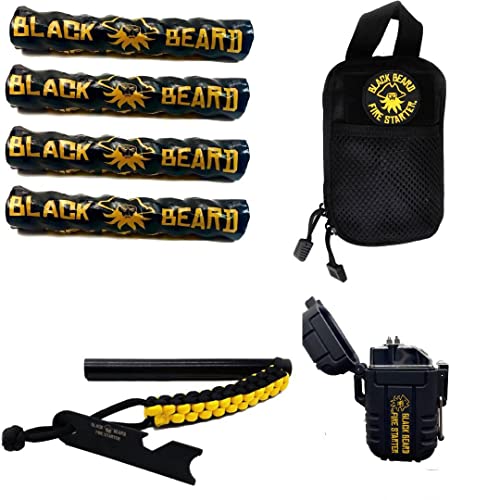
Black Beard Pirate’s Plunder Fire Starting Kit
Ferro Rod
Arc Lighter
Tinder
Price: $$$


Blackbeard Fire Plugs
Waterproof
Easy to Use
5 min Burn Time
Price: $
12. Best Bushcraft Compass
Phones die. GPS units fail. Batteries don’t care about your backcountry adventure. A compass? It just works. If you want to avoid starring in the next “lost hiker rescue” story on the evening news, learn to use one.
I’v already revewied my favorite bushcraft compasses in a different article, so I’ll keep things short here.
Why it matters
Navigation isn’t optional; it’s survival. Trails disappear, maps get wet, and suddenly “just following the river” turns into a 10-mile bushwhack. A quality compass keeps you on track when everything else fails.
How to choose
Look for a compass with a sighting mirror (for accuracy), a declination adjustment (so you don’t get lost arguing with magnetic north), and a durable case that can handle being dropped. And don’t just buy it, actually practice before you’re in the woods.
My go-tos:

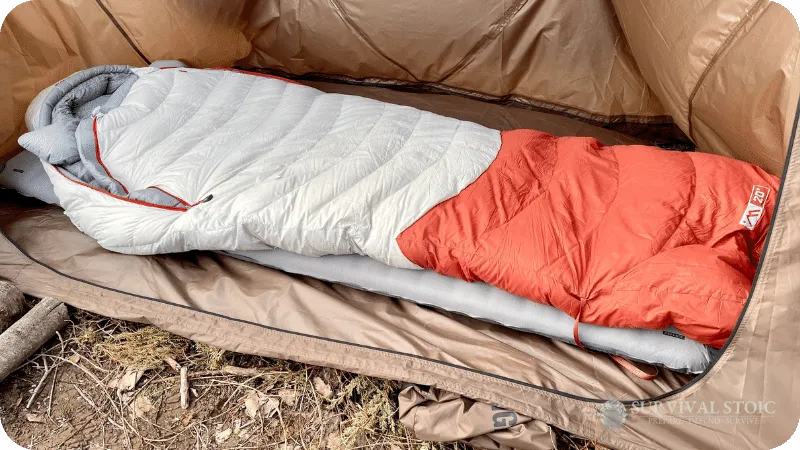
13. Best Bushcraft Sleep Systems
After a long day chopping wood, boiling water, and pretending you’re not lost, you need a solid sleep setup. Otherwise, you’re just lying in the dirt, counting stars while mosquitoes laugh at you.
I highly recommend choosing wool when you can. We researched and wrote a guide to the best bushcraft wool blankets to help you choose what to sleep under.
Why it matters
Sleep isn’t just comfort; it’s recovery. If you’re cold, wet, or sore all night, you’ll be useless the next day. A good sleep system protects against hypothermia and yes, keeps the creepy-crawlies out.
How to choose
You want gear that balances warmth, weight, and versatility. Wool blankets are bushcraft classics because they insulate even when wet. Survival blankets are great for reflecting heat and doubling as emergency shelters. Modern lightweight sleeping bags and bed rolls give you comfort without loading down your pack.
My tested favorites:
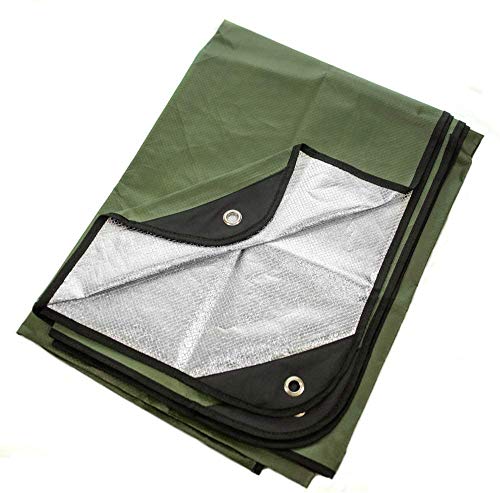


Ampex Gear Sleeping Bags
Compact
Lightweight
4 Options
Price: $$
14. Best Bushcraft Packs
You can’t exactly carry all your bushcraft toys in your hands (unless you’re into juggling axes, which I don’t recommend). A solid pack is the backbone of your gear setup, and choosing the wrong one means sore shoulders and lots of swearing in the woods.
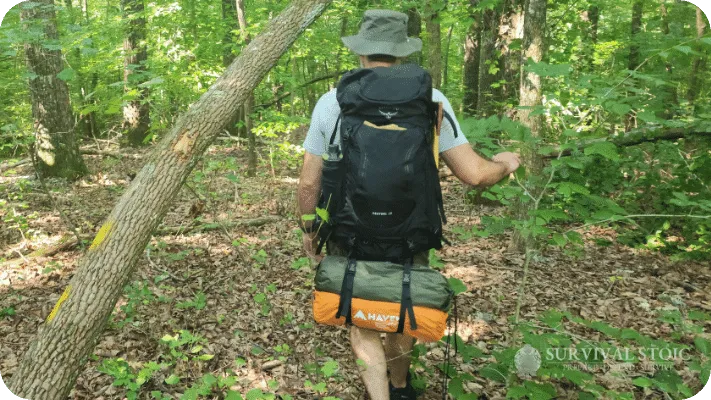
I’ve used a lot of bushcraft backpacks over the years (so much so that I’ve written a seperate guide to the best bushcraft backpacks). My favorite is the Osprey Kestrel 38. It is a top-loading bucket-style pack with a lower zipper a divider and a side zipper. So, it is the best of both worlds.
Why it matters
A good pack doesn’t just carry your gear; it protects it. Rain covers, reinforced seams, and smart compartments mean your stove isn’t crushing your snacks and your knife isn’t stabbing your sleeping bag. Plus, a well-fitted pack saves your back from mutiny.
How to choose
Look for capacity (30–50L is a sweet spot for multi-day trips), strap comfort, and whether you need modern features like hydration sleeves or prefer the old-school canvas look. And yes, budget matters. Packs can be cheap or cost more than your car payment, but quality usually means fewer field repairs.
Here are my favorites:

Osprey Kestrel 38 Men’s Backpack
38 Liter capacity
Built in Rain Cover
Bedroll/Tent Straps
Price: $$

Pathfinder Waxed Canvas Haversack
12″ x 15″
47″ Shoulder Strap
Inside Pocket
Price: $
15. Best Bushcraft First Aid Kit
First aid kits aren’t sexy gear. They don’t chop wood or boil water. But twist an ankle two miles from camp or slice your hand with a hatchet, and suddenly they’re the most exciting thing in your bag.
I’ve taken plenty of tumbles in the woods (wet rocks love to take you down), and I’ve seen what happens when people try to “make do” with a roll of duct tape and a prayer. Don’t be that guy.
Why it matters
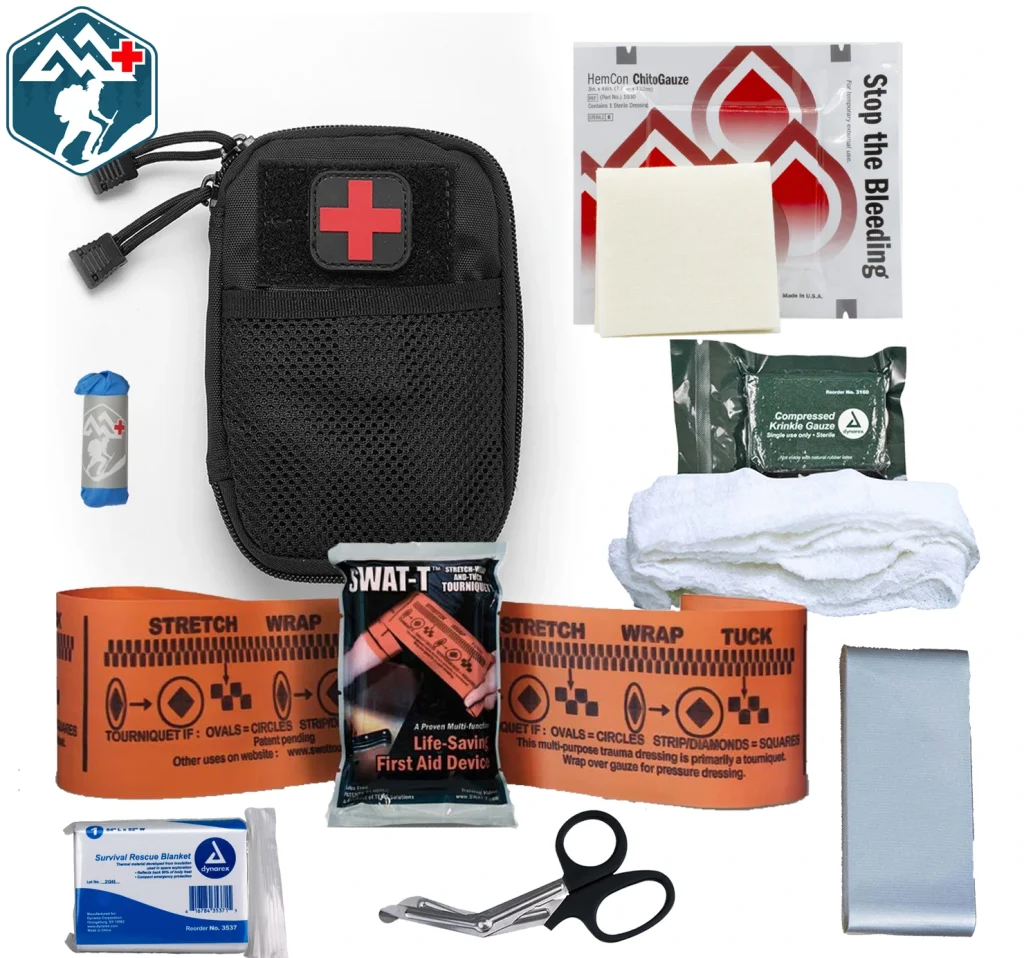
Accidents are inevitable, especially with sharp tools and uneven terrain. A real first aid kit isn’t about Band-Aids; it’s about trauma care: stopping bleeding and keeping you alive long enough to limp out or get rescued.
How to choose
Skip the cheap Amazon knockoffs stuffed with useless trinkets. Look for kits from reputable brands like Mountain Man Medical or My Medic that include tourniquets, clotting gauze, compression bandages, and trauma supplies. Keep a small kit (like the Tracker) on your body and a larger one (like the Basecamp) at camp.
Here are the kits I trust:

16. Best Bushcraft Water Purification
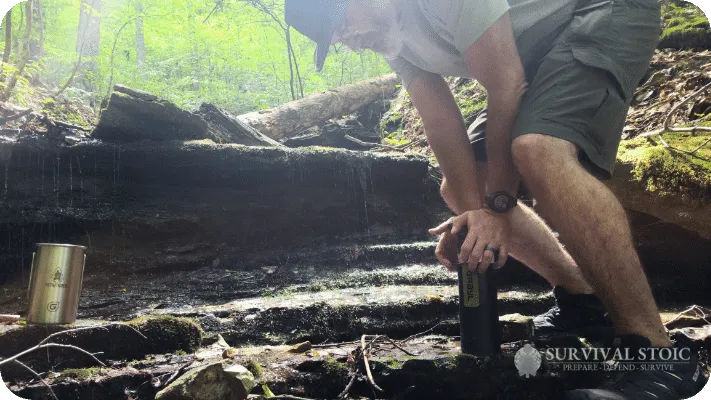
Clear mountain stream? Looks pure. Reality? It’s probably crawling with giardia, bacteria, or something that’ll keep you glued to a tree all night. Always purify your water, no exceptions.
Boiling works, but it’s slow and requires fire. When you’re thirsty now, waiting 15 minutes for water to boil and cool down isn’t ideal. That’s where portable filters and purifiers come in.
Why I matters
Dehydration takes you out faster than hunger or even cold. Clean water keeps you moving, thinking straight, and not vomiting in the bushes. A good purifier means confidence in every sip, whether you’re dipping from a river or a questionable puddle.
How to choose
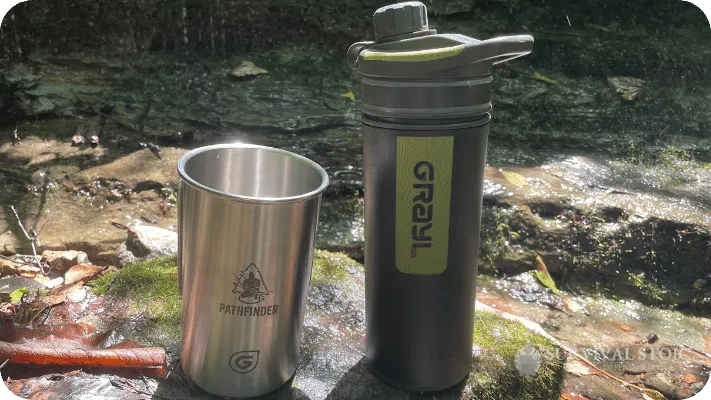
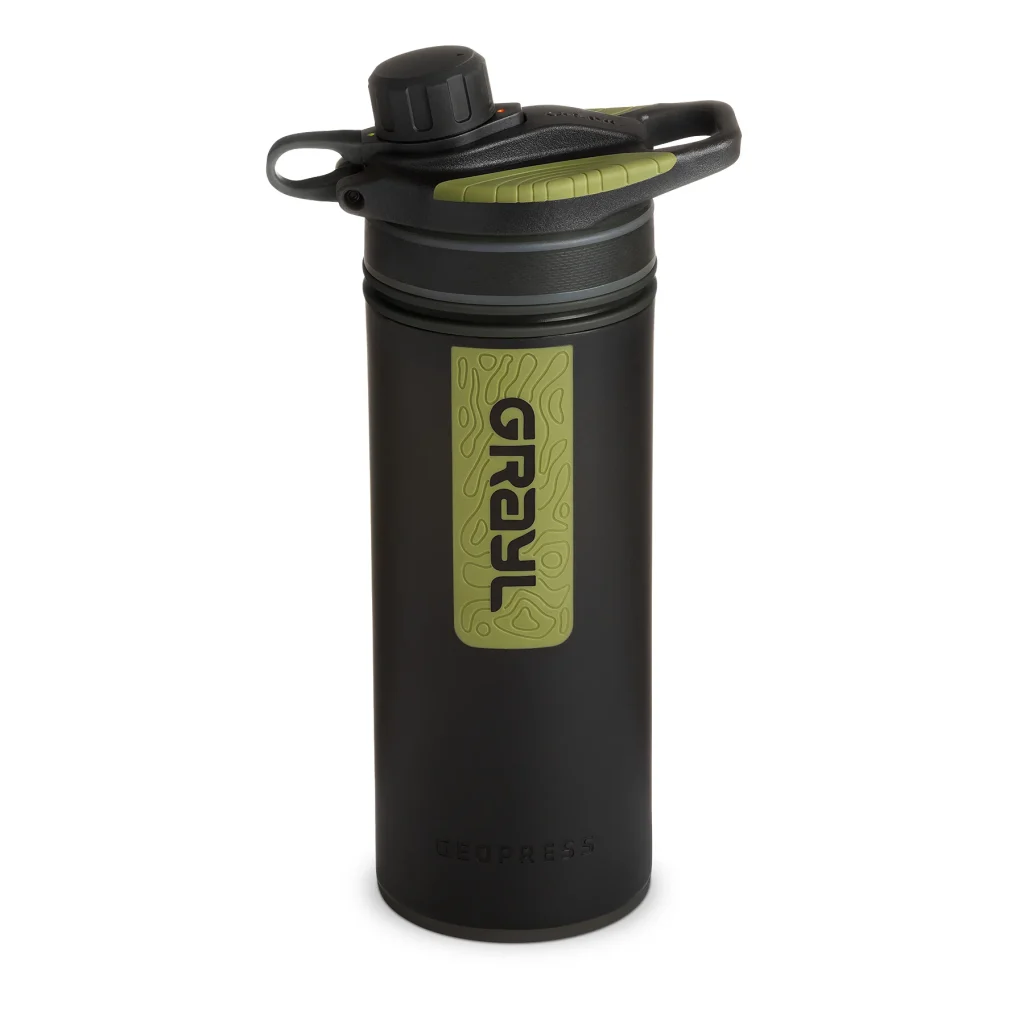
Decide between a filter (removes bacteria and protozoa) or a purifier (also zaps viruses and some chemicals). If budget and weight are your priorities, go with the Sawyer Mini. If convenience and speed matter, the Grayl Geopress is worth the investment. And don’t forget a metal nesting cup because boiling water or cooking meals directly in it saves space and effort.
Here’s what I carry:
Pathfinder 30oz Geopress Nesting Cup
Stainless Steel
Nests with Grayl
Folding Handles
Price: $

17. Best Battery Charger
Purists will roll their eyes at the idea of electronics in bushcraft. “Real survivalists don’t need power banks!” Sure, but real survivalists also don’t mind carrying something that can literally call for rescue or snap a photo of that once-in-a-lifetime campfire steak.
I keep my phone off most of the day, but when I check in with family or fire up my GPS watch, I don’t want a dead battery turning my phone into a pocket-sized brick.
Add in headlamps, camp lanterns, and even e-readers (yes, I read in camp sometimes. sue me), and suddenly power management becomes a bushcraft skill.
Why it matters
A charged phone is a lifeline in an emergency. Even if you never use it, having the option to call for help, get a weather update, or find your way back to camp is worth carrying a few extra ounces. And let’s face it, nothing ruins a perfect sunrise photo like a 1% battery warning.
How to choose
Think about capacity (measured in mAh), weight, and whether you want solar recharging in the field. A cheap, compact power bank is great for short trips. For longer outings, a solar charger earns its keep by sipping sunlight all day.
Bonus points for wireless charging; it’s one less cable to forget at home.
Here’s what I trust in the field:
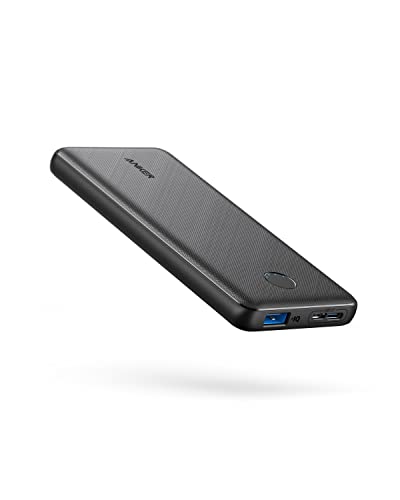

QuadraPro Solar Power Bank
8,000 mAh
Solar Charging
Wireless Phone Charging
Price: $$
18. Best Bushcraft Bandana
Bandanas might be the most underrated piece of bushcraft gear out there. People think they’re just for wiping sweat, but in reality, they’re the Swiss Army knife of fabric. You can filter debris out of water, use it as a potholder, mark a trail, wrap an injury, or signal for rescue.
And when it finally wears out?
Turn it into charcloth and keep the fire going.
I carry at least one cotton bandana on every trip. Two if I’m feeling fancy. The cool thing is, you can get versions that double as field guides or survival checklists. It’s like carrying a cheat sheet without pulling out your phone.
Why it matters
Bandanas are lightweight and multipurpose. They take up less space than a pair of socks and can do everything from first aid to fire-starting. Plus, if you’ve ever gotten lost, you’ll appreciate how useful a bright orange signal cloth really is.
How to choose
Stick with 100% cotton. It holds up, can be turned into charcloth, and doesn’t melt near fire like synthetics. Then decide whether you want one that blends in (classic style) or screams “rescue me” with survival tips printed right on it.
Here are my go-to picks:

Wazoo Foraging Reference Bandana
100% Cotton
Shows 12 Common Plants
Large 22″ x 22″
Price: $

Colter Co. Stayin’ Alive Survival Bandana
100% cotton
Reflective Material
Priority Reminders
Price: $
Final Thoughts
When I spend time in the woods and bushcraft, it is to relax and focus on the basics of living. Having the best bushcraft tools removes some frustration from using inferior tools. A broken knife or axe will certainly not make my time in the woods very relaxing.
The best bushcraft gear makes my time in the woods more comfortable. A good bushcraft pack and water filter give me more time to move around and see more of the woods.
This list of tools and gear is also great to consider for a survival kit, bug out bag, or get home bag. While bushcraft is not necessarily the same as survival, many of the same items will be just as useful in a survival situation.
Now that you have your list, check out our other guides for emergency preparedness and self defense as well!
