

Life can be unpredictable. One minute, you’re asleep, and the next, a devastating tornado rips through, leaving chaos in its wake. This is exactly what happened to Survival Stoic founder Jason Hitchcock. Witnessing his community’s unpreparedness after the 2020 EF4 tornado that struck his town was a wake-up call.
It’s impossible to predict exactly what will happen and when. However, you can do your best to evaluate your risks and prepare for emergencies and unusual situations. Being prepared can be the difference between being safe and comfortable and facing unnecessary stress and hardship.

Just stocking up on stuff isn’t enough, though. Many prepper checklists will include tons of stuff for you to buy but very little information on skills and mental preparedness. As any survivalist or veteran will tell you, your mind often gives up far before your body does. (Or, you can just watch one season of the TV show Alone to see this concept played out.)
We paired our preparedness experience with expert interviews to bring you the most complete preppers list we could. We did not just list everything under the sun that a prepper could buy. Because, let’s admit it, a huge list isn’t helpful.
To truly be prepared as quickly as possible, you just need some essential supplies and skills – not a whole military surplus store.
Without further ado, let’s jump into the essential supplies and skills you need.
The Essential Prepper’s Checklist: Building a Foundation of Preparedness
Before diving into specific situations, we need to establish a strong foundation for preparedness. This begins where you may not expect (or particularly like) because it is not easy. But, it is truly the basis for being fully prepared, and not just someone who spends money on a bunch of supplies. (If you are curious if you are really even a prepper, see our guide on What is a Prepper?)
Start with these first:
1. Mindset
Preparing your mindset is truly the first step. This includes two phases.
The first phase is to prepare your mindset for the emergency. You should not be taken by surprise, become upset, or panic. A Stoic would say “I am glad this happened to me and not someone else, because I am prepared for it.”
The second phase is taking action now and performing mental exercises that will help you through the emergency. It will certainly be hard, and all the gear in the world won’t help you when you feel like giving up.
We dive into this fully in later sections. Keep in mind that without this all we won’t be able to achieve all of the other steps.
2. Health
This is a topic that some struggle with and don’t want to hear. But, it is a fact that someone in poor health will struggle even more during an emergency or catastrophic event. And, it even helps with our first goal above.
Health and fitness is not something that is done overnight, it is a long term marathon and not a sprint. It also does not have to be an all or nothing thing. I don’t consider myself to be a health and fitness nut and don’t spend hours in the gym. But, I can hold my own during a long hike with a pack on my back.
Choosing to get up in the morning and do something active also helps with mindset, so it is a positive feedback loop. The stoics suggested to “treat the body vigorously” and they made many mentions of fitness and how it directly ties into our mindset.
This is because when our body doesn’t want to get moving and our mind takes over, it is a sort of mindset training as well. I find that when I face something difficult, that my fitness training is a great training tool even if the difficult situation is not physical. My mind says that I can do it, and I do.
If you don’t know where to start, I use programs from Mountain Tactical Institute. They have a ton of options and are focused on practical fitness, preparedness, and functional strength and endurance.
3. Financial Preparedness
This is perhaps the cornerstone of preparedness and is something that we are all almost guaranteed to face. While many will never have to live through a natural disaster or a catastrophic widespread event, we will all face a large unexpected expense or a loss of income sometime during our life.
Having an emergency fund is the first step. Going into debt during an emergency is very hard to recover from. It takes a lot of time (and money) to pay off the debt and directly affects how well you can be prepared in the future. After all, it makes no sense to spend extra on an emergency food supply and go further into debt.
I made this mistake myself early in life, and I know how hard it is to not want to spend the money you make. This goes back to our mindset as well, we have to make a commitment to do the hard things if being prepared is important.
Full Preppers List – The Next Step
After mastering the basics above, it is time to start moving to the next phase. These are the basic items that should be considered to be prepared for different scenarios.
Remember, you don’t have to purchase everything at once. Just making a purchase of one or two items today is plenty to get you started. Don’t procrastinate preparedness, but do remember that preparedness is a journey.
This checklist includes all the basics you need. Plus, be sure to check our Prepper Deals page an dour Prepping on a Budget guide for ways to save money!
Stock Your Home Emergency Kit (Bug-in-Supplies)
Despite many common misconceptions, the safest place is typically your home when an emergency happens. You won’t run off and live in the woods, especially if you have a family! Therefore, your first goal should be to be prepared at home.
Preferably, you should be able to keep your family comfortable and safe for at least 72 hours. Aim for three days first, then expand your preparedness as your budget allows to two weeks, and so on. Below are some of the items to consider. Also see our How to Start Prepping guide and our Prepping Tips guide for more ideas.
1. Water
The top priority is clean water. We need to store it or have a reliable source and the ability to purify it. Aim for a gallon of water per person per day (though younger kids can have less if you really need to stretch it).
Remember to consider any food that you might be planning on making, too. But, in general this amount should cover it. Don’t rely on bathtub storage systems or reacting after the fact.

We like the Scepter 5 Gallon Water Containers. They are durable, affordable, and what we use. See our guide on the Best Water Containers for Long Term Storage and our full Scepter Water Container Review for how we tested one out.
Also have a method of purifying water for longer term emergencies. While some simple Survival Water Filters will work, we like filters with a larger capacity for families. Our Best Emergency Water Filters guide has a list of our favorites and we also have an in depth review of a Berkey Water Filter that requires no power to operate.
Critical Items:
2. Food
You’ll want something non-perishable and easy to prepare for your family to eat. Consider food that requires little to no energy to make. Canned goods, freeze dried meal kits, and emergency bars are all solid options. Instead of settling on one type of food, we recommend going with a combination for variety.

We have a lot of other guides on food that you can review to see what will work best for you. We suggest starting with the list of emergency food companies we recommend.
For everything you need to know about storing food long-term, check out our survival food guide.
3. Shelter – Warmth and Cooling
This can take many forms. Hopefully your home will be your shelter, but it could be your vehicle, a public emergency shelter, or a friend/family member’s home. Even with this, you need to consider heating or cooling (depending on where you live).
Winter can be more of a challenge than warm, summer weather. Make sure you have some sort of backup heat as part of your power outage preparedness plan. This can range from a small indoor safe propane heater, wood for a fireplace, or a backup generator for your gas furnace.
We also recommend keeping extra wool blankets and sleeping bags. I like this option for my family since we can all sleep in one room. This way we do not have to heat the entire house. If we need to leave our home we can take them with us as well.
Consider cooling options if you live in a hurricane prone area. As many learned this year in Texas, being without power for days with temps over 90 is very uncomfortable. Homes today are not built for efficient cooling and if you don’t have many trees around your home, it will be hotter inside than out. Battery powered contractor fans are a good option here.
Critical Items:
4. Sanitation and Hygiene
One of the first things that drops off during an emergency is hygiene. However, getting sick is the last thing you want to happen during an emergency. Wet wipes, Backing Soda, and garbage bags are cheap things you can stock up on that will do you a lot of good in an emergency.
Jason mentioned when he was a kid that his parents used baking soda as toothpaste. He said, “I used to hate it, but now I see how great it would be in a long term emergency.” Baking soda is one of the items we like to keep in our pantry since it has so many uses.
Also pick up some cheap paper plates. It is a pain to wash dishes when the power is out and water is in short supply.
Critical Items:
5. First Aid
A comprehensive first-aid kit is vital in an emergency. The risk of injury is much higher during a natural disaster or catastrophe, but they can happen any time.

We have a whole series of guides on first aid. Our how to choose a first aid kit guide will help you choose the best one for your home. Spoiler: our experts recommend the Dark Angel Medical D.A.R.K Explore Kit.
6. Light and Power
Having a light source and a way to recharge devices are some of the most basic emergency supplies there are. We stay away from candles (due to the fire hazard) and don’t recommend glow sticks since they can’t be turned off and have a limited life.
I like the flashlights and lanterns that Hybridlight has. Not only do they recharge during the day with solar panels, I can use them to recharge my USB devices as well.
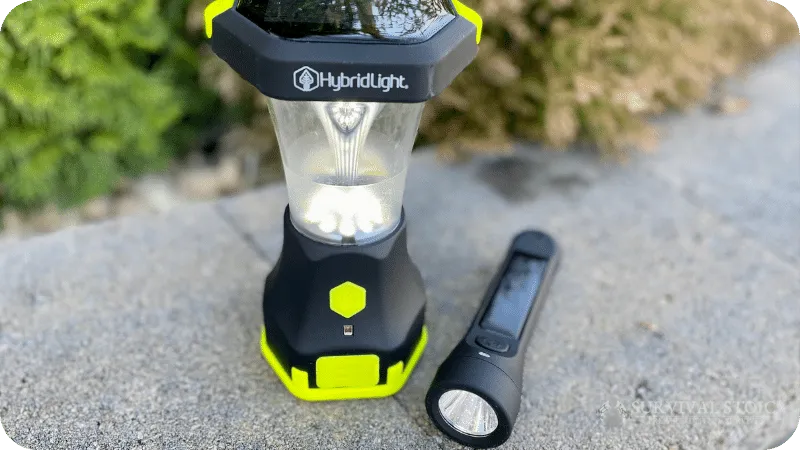
I also like to stock up on extra batteries as well. In a long term emergency, batteries will be as good as gold. While rechargeable gear can be great, it’s often more complicated to charge them than change the batteries for short-term survival. Plus, there are plenty of battery powered devices around. I have found that Pale Blue Earth Rechargeable Batteries work well for most critical devices, and the solar panels allow me to recharge them quickly.
Small generators can also be very helpful to keep a refrigerator going for a few days or to power a gas furnace for heat. In our backup generator sizing guide, we have a few unique options, from gas powered options to solar. Also see our Oupes Exodus 1500 Review and our Bluetti Elite 100 V2 review for two great options.
Fuel Stabilizer is also handy for not only storing fuel but for refreshing old fuel. See our favorites in our Best Fuel Stabilizer Guide. Also check out our Best Gas Can guide for storing fuel.
Small emergency power banks and chargers are also something I like to keep on hand.
Critical Items:
7. Communication
Communication with the outside world is essential during an emergency so we can stay aware. This starts with having a bedside weather radio that can alert me of threats. I have learned not to rely on my phone since it is not reliable.
I like a mid level weather radio with a battery backup. I also like to be able to set the alerts that I want to hear. Hearing it go off for every little watch gets to be annoying and I tend to not pay attention to it after a while. I have mine set to go off only for warnings that apply to me, so when it goes off I know it is important.

I also like to keep a portable hand crank radio for extended power outages (see our full review of the best emergency radios) and a portable GMRS radio (see our guide on the Best HAM Radios). I can use the GMRS radio to pick up FM stations as well as NOAA radio stations, plus I can communicate with others in my community. Go for one that will recharge via USB (like the one below) and not one that requires a household outlet desktop charger.

I also like to keep my essential electronics in a faraday bag to protect them from EMPs and other outside interference that can damage them. See our full guide on the Best Faraday Bags for our favorites.
Critical Items:
- Midland WR400 Weather Radio – Bedside Weather Radio
- Eton Odyssey Hand Crank NOAA Emergency Radio – For Power Outages
- Baofeng GM-15 GMRS Radio – For Community Communication
8. Self & Home Defense
In emergencies some people who did not prepare will unfortunately take advantage of those that did. We recommend building a Home Defense Plan to defend yourself and your family in case this happens. Since this is such a complex topic, we have an entire section of our website dedicated to it – Our Defend Guides and Reviews.
Our Full Concealed Carry guide has everything you need to know about handguns for self defense. If guns are not your thing or are not legal in your area, we have other alternatives like our guide to the Best Pepper Spray.
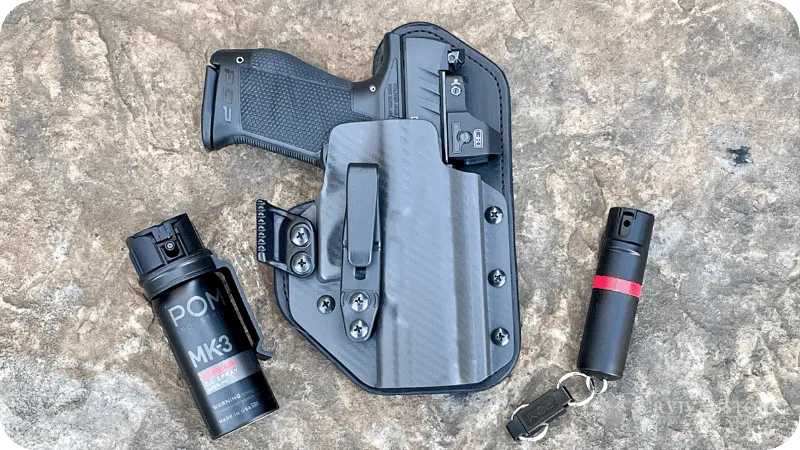
Also consider stocking up on ammunition, especially to hunt with. In a longer term situation hunting ammo will be a must have resource in order to feed my family.
Ammunition Depot has some of the best prices I have found and is our top pick for the Best Place to Buy Ammo Online. They are also the only company I have found that packages their ammo in waterproof long term pouches called “Battle Packs”. They extend the life of ammo by up to 75 years and can be stored anywhere.

Body Armor should also be considered. When law enforcement is overwhelmed and you must defend yourself and your family, it is something you definitely will be glad you have. See our Premier Body Armor Review and our Best Plate Carrier Guide for one of our favorite affordable options.
Critical Items:
9. Medicine
Medicines are something that I always keep on hand at home. Basics like Ibuprofen, Imodium, and Aspirin are essential for daily life. If you have children, be sure to keep children’s versions of these on hand as well.
For longer term emergencies, antibiotics are critical but usually require a prescription. Luckily, there is a company that provides prescription level medicine ahead of time to prepare for emergencies. Jase Medical will do a simple online consultation and ship to you prescription medications so they are there when you need them. You can also get a 12 month prescription of any of your current medications.

Critical Items:
- Amazon Basic Care Essentials – OTC medications at great prices
- Jase Medical – Emergency Preparedness Prescription Medicine (save $10 off with code “survivalstoic”)
10. Clean Air
This should be a consideration not just for a doomsday scenario, but for more common occurrences like wildfires or chemical spills. It seems like every other day there is news about a fire or train derailment somewhere.
I like to keep N95 masks for my family at a minimum. These will help when evacuating a wildfire and for some chemical spills.
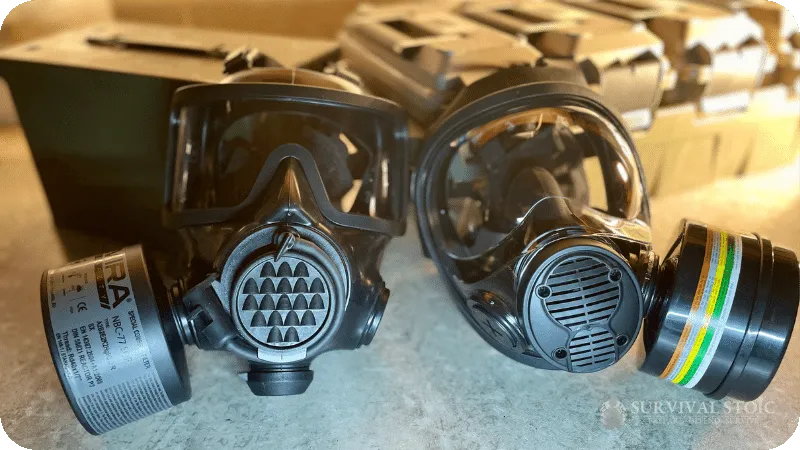
For more protection take a look at a respirator or gas mask. We have full guides for these plus you can save 25% regular prices with our discount codes. Just check out our best gas mask guide to save and find our favorites.
Critical Items:
11. Documents
Keep copies of important documents like passports and insurance policies in at least two different locations within your home. You never know if a tornado or other natural disaster will destroy one part of your home. Preferably, these documents should be kept in a waterproof, fireproof container like a gun safe. I like to keep the second copy in my bug out bag.
12. Tools
You never know when you’ll need to work on something. At a minimum, keep basic tools (like a multitool) and duct tape somewhere you can easily access them. I have a ton of tools at home so this one is easy for me. If you live in an apartment and don’t have many tools around strongly consider this one. See our guide on our favorite survival multitools for the ones we have been using for years.
13. Cash
I like to keep extra cash on hand for emergencies. Cash will be essential for those short term power outages when credit and debit cards won’t work. It has even helped me when I lost my wallet and needed gas. The amount is different depending on the individual. I recommend at least $500 up to $2,000.
14. Items to Barter
While this is a popular topic among preppers, it is not something we recommend focusing on. Items like cigarettes and alcohol can certainly be valuable in a long term situation, but, it is just not smart to spend money today on things that you don’t typically use.
If you smoke, then it is certainly a valid idea to keep cigarettes on hand. Just cycle through your supply like you would your food. If you don’t smoke, it makes no sense. The doomsday scenario may never happen and if it does, you will wish you just had more food instead of a bunch of cigarettes.
Skills will be much more valuable for bartering in a long term situation. A mechanic or a good hunter will be sought after and protected, while someone with a large amount of alcohol will be a target and a security risk.
Remember, the items above are just a starting point. Once you have completed these basics, you can start looking at the cool survival gear that so many other websites focus on. Often, it’s the boring basics that have got me through an emergency.
Beyond the Basics: Tailoring Your Preppers List for Specific Needs
One of the hardest things about making a prepping checklist is that everyone lives somewhere different and has different risks. What I need to prepared for in Tennessee is completely different from someone in Arizona. That’s where tailoring your kit is important.
Get the basics I recommended above. Then, start considering where you’re at and who is with you. Here are some factors I recommend exploring:
- Family Size and Composition: Yes, we recommend a specific first aid kit above. However, you need something bigger if you have a very large family. Food and water are obvious metrics that need to be adjusted, but many people forget about things like medication.
- Medical Conditions: If anyone in your family has medical conditions, be sure to prepare for them. These could be very serious, like insulin (and some way to keep it cold), or something minor, like kids’ Tylenol.
- Dietary Restrictions: If you have any dietary restrictions, be sure to pick appropriate food options. You should also consider things your children like. In many cases, children (and adults) get pickier in emergencies due to the stress, not less.
- Pets: If you have pets, you’ll need to consider their needs, too. Pet food, water bowls, leashes, and other gear are essential. If your dog needs to be groomed every so often, pickup a pair of clippers just in case.
- Location and Climate: If you live somewhere very hot, keep extra water and ways to stay cool. On the other hand, if you live somewhere very humid, be sure to check your stored food often. (It will be more likely to mold! We learned this the hard way.)
No prepper checklist will work for everyone. It just isn’t possible. You’ll need to personalize your list to take your family’s specific needs into account.
Emergency Strategies and Plans
Having all your gear is important, but it’s only one part of the equation. You also need to consider how to use your supplies and have plans in place that your family can follow. Everyone, including children, should know what to do during an emergency.
First, you need to consider your home’s “safe place.” While this can differ depending on the emergency, it’s typically going to be the most sheltered area in your home. Think about where you’d go during a tornado (somewhere away from exterior walls and windows). You’d want to shelter there during everything from a thunderstorm to nuclear fallout.
Therefore, most of your emergency items should be in this location. Be sure it’s large enough to accommodate your family during an emergency that may last several days. (We’re talking about a room, not a bathroom or closet.)
Everyone, including children, should know where your emergency gear is. Show them what your first aid kit looks like, what food they can eat, and how to use your radio. You want your children to be as self-sustainable as possible during an emergency so that you can focus on the bigger stuff.
(Plus, if children know a plan and supplies are in place, they’re much less likely to become anxious when the emergency occurs.)
Establish a communication plan for your family in case of emergencies. Phone lines may not work reliably. If you’re separated, choose locations inside and outside your area to designate as a meeting point. Discuss how you’ll communicate with long-distance family members and consider alternatives like designated radio frequencies.
You want as much of your emergency planning to be second nature to everyone in your family. That way, when an emergency happens, you can spend more time doing and less time thinking.
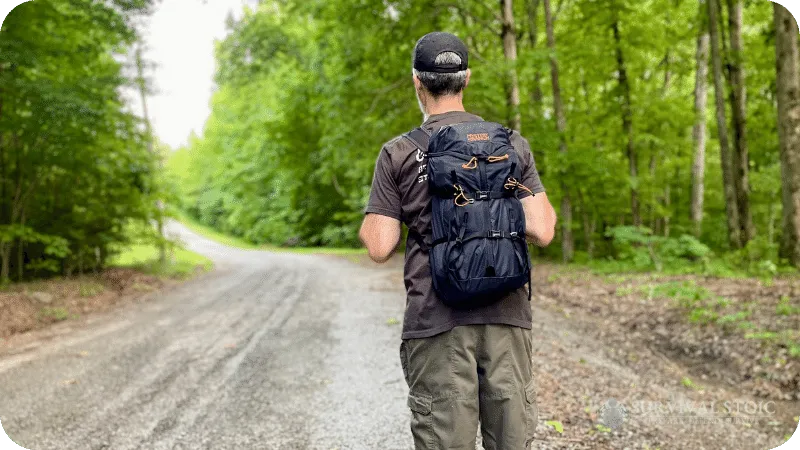
Also consider how your family will get home when they are at school or work and make plans or meet at an alternative location in case it is not safe at home. Review our full Get Home Bag guide for everything you need and strategies.
Some situations may force you to evacuate your home. While not ideal, it is important to be ready to leave at a moments notice during an emergency. Review our Go Bag Essentials guide for our recommendations on how to prepare to bug out and our Bugging Out vs Bugging In guide for how to make the best decision for your family.
Preparing Yourself with Knowledge
Let’s face it: you’ll never have everything you need. No matter how much you buy, there will always be something you wish you had in an emergency. Our team includes many people who have had to survive real emergencies and natural disasters. Even those who were prepared found that there were items they needed but didn’t have!
Therefore, after basic supplies like food, everything else should be considered “extra.”
To compensate for this lack of perfection, you must build your skills. Here are some ways to work on this:
- Essential Skills: Learn basic first-aid techniques, how to boil water without electricity, and even look up some survival recipes. We have guides on all of these things, as we consider them essential.
- Resource Exploration: Consider purchasing resources and having these nearby. Books on plant identification and other subjects can be vital, especially since these tend to be challenging to memorize. Bushcraft books are a great place to learn traditional Survival Skills that you can use to make the things you need.
- Community Connection: Consider connecting with local groups to learn skills. These don’t have to be prepper groups. Backpacking, bushcraft, and camping groups can teach many of these skills, too. Even the local HAM radio club can help.
By actively building your skillset and staying informed, you’ll transform from a passive observer to a confident and capable individual in any situation. You’ll make yourself more adaptable, which is essential for survival.
The Power of Stoicism in Preparedness
The most essential item in your prepper toolkit is one many prepper checklists ignore: your mind. You can have all the stuff in the world, but if you freeze or break down in an emergency, none of it will matter.
Many people mistakenly consider their brains perfectly fit for surviving emergencies, but this is rarely the case. There is a reason why even hardened soldiers have to go through mental preparedness training when joining the special forces! The average person’s mind is not ready.
It’s fortunate that you can employ the same approach used by the military to prepare for emergencies: Stoicism. This ancient philosophy, advocated by thinkers such as Seneca and Epictetus, highlights the significance of virtue, reason, and resilience in facing life’s difficulties. These fundamental principles can be extremely advantageous for preppers, offering a mindset to confront emergencies with composure, concentration, and efficacy.
Let’s take a look at some practical Stoic techniques that you can use to stay in control.

Stoic Practices for Preppers
Here are some practices that our team actually uses. Some practices come straight from the military (where our veteran team members learned them), while others are directly from Stoic texts.
- The Stoic Journal: Start a daily journal where you reflect on challenges you faced and how you reacted. Did emotions cloud your judgment? Could you have approached the situation with more reason and control? Journaling helps identify areas for improvement and reinforces Stoic principles.
- Memento Mori: This may seem morbid, but it’s a core Stoic practice. By reminding yourself of your own mortality, you gain perspective on life’s challenges. Emergencies become less daunting when viewed through the lens of a finite life, encouraging you to focus on what truly matters.
- Negative Visualization: Imagine potential emergencies and visualize yourself responding calmly and rationally. By mentally rehearsing these scenarios, you build resilience and train your mind to stay focused under pressure.
- Dichotomy of Control: Stoicism teaches us to categorize events as either within or outside our control. Focus your energy on the things you can control, like your actions, thoughts, and reactions. Accepting what’s outside your control reduces unnecessary stress and allows you to focus on solutions.
These practices are not just something you write down for use in an emergency. You need to practice them now. We dive into this concept a little more in our Survival Stoic Toolkit guide, which we highly recommend reading through a few times. Also read our How to Make Better Decisions in a Crisis Guide and our How to Stay Calm During a Disaster Guide for an action plan you can do now.
Create Your Preppers List
While preppers sometimes get a bad reputation from the “Doomsday” crowd, the fact is everyone should be prepared for life’s emergencies. From loosing power for a few days, a medical emergency, or a widespread event, something that we do not expect will definitely happen during our lifetime.
By focusing on the basics of mental, health, and financial preparedness first, it will give you a clearer picture into what other areas you need to focus on.
Now, be sure to check out our full series of Preparedness guides and reviews. Also be sure to subscribe to our newsletter for tips on how to mentally prepare each week!
